
Elephant Riding Tourism Banned in Indonesia: Why?
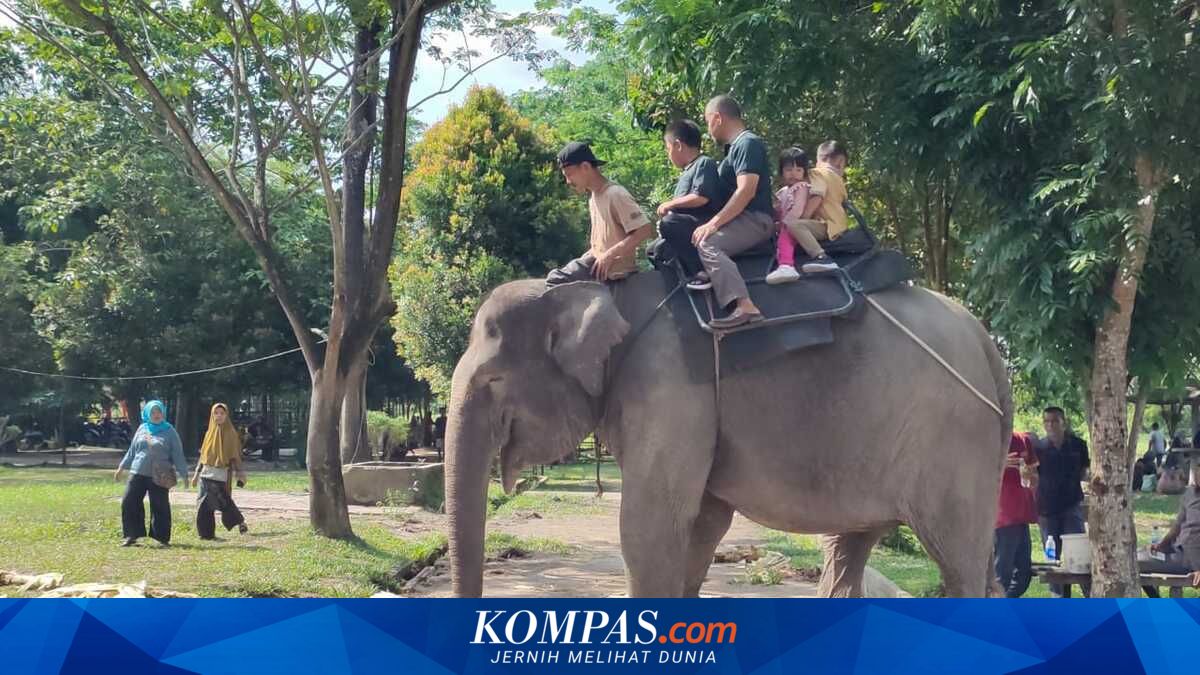
Activities involving elephant riding tourism have been banned by the Ministry of Forestry. This prohibition applies to all conservation institutions across Indonesia. “Officially, we have implemented a total ban on elephant riding. No conservation institution is permitted to conduct elephant riding for tourism,” stated Forestry Minister Raja Juli Antoni, as reported by Kompas.com on Monday (9/2/2026). So, why has this ban been enacted? The primary reason is animal welfare. The practice of riding elephants is also deemed incompatible with ethical principles. Furthermore, elephants are not entertainment tools for tourists. The animal, scientifically named Elephas maximus, is protected under the IUCN Red List with a critically endangered status, according to the Directorate General of Natural Resources and Ecosystem Conservation of the Ministry of Forestry. Therefore, any utilisation must be carried out cautiously and responsibly. The public can also learn about how elephants communicate in the wild, which is more educational than riding them. The main objective of this policy is to build public awareness that elephant conservation is not merely about seeking entertainment. Raja Juli urges the public to actively assist. If any tourist spots offering elephant riding are still encountered, report them immediately. The Ministry of Forestry will impose sanctions on non-compliant institutions in accordance with applicable Indonesian laws. One wildlife park that has already banned elephant riding activities is Bali Zoo in Gianyar, Bali, since January 2026. The activity was halted to provide more space for the animals to move, interact socially, engage in free activities, and express natural behaviours, as reported by Kompas.com on Wednesday (28/1/2026). Additionally, stopping elephant riding ensures that the physical and psychological condition of the animals is prioritised. “Animal welfare is the top priority at Bali Zoo. This policy is taken to support better elephant management and ensure that care standards are continuously improved,” said Bali Zoo’s Head of Communications, Emma Chandra.