
Electrification of Public Transport: Jakarta's Ambitious Target Towards NZE
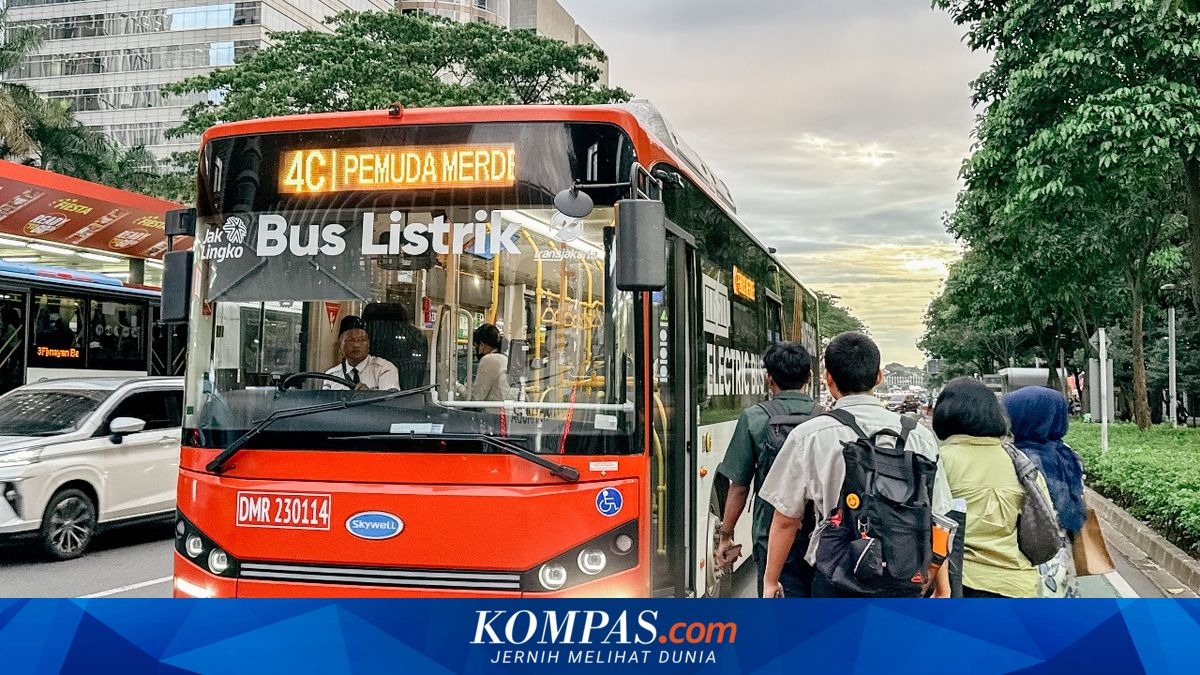
JAKARTA - The global geopolitical situation, which has the potential to cause fuel oil shortages to become increasingly volatile domestically, is prompting both central and local governments to devise various strategies amid the uncertainty of unstable fuel availability. For instance, DKI Jakarta continues to prioritise the use of public transport in this situation. Head of the Road Transport and Terminal Section of the DKI Jakarta Transportation Agency, Made Jony Sasrawan, stated that under DKI Jakarta Regional Regulation No. 5 of 2014 on Transportation, Article 8 sets a target to shift the use of private vehicles to public transport. In line with this target, DKI Jakarta has been preparing electric-based public transport since 2022 to achieve Net Zero Emission. However, achieving this target, according to Made, requires a long journey. For example, the readiness of the battery charging ecosystem or charging stations for electric vehicles is crucial for electric buses. This is because charging is currently only available at bus depots or the designated storage areas for Transjakarta buses. Made also mentioned that in the Jakarta Province itself, transport subsidies are the largest subsidies. 5-6 percent of Jakarta’s APBD is allocated for transport subsidies, approximately Rp 5 trillion. “However, based on a study from LPEM FEB UI, indeed from the total subsidies we disburse, none are wasted. Every Rp 1 trillion in subsidies we provide does create real economic benefits,” he said.