
Electric Vehicles Ready for Lebaran Journey: Essential Preparation Guide
JAKARTA — Public mobility during the 2026 Lebaran holiday season is projected to increase significantly. A survey by Indonesia’s Ministry of Transport estimates that approximately 143.9 million people will travel during this Lebaran period.
As mobility increases, public interest in electric vehicles continues to grow. The combination of cost efficiency, modern safety features, and expanding charging infrastructure has made electric vehicles increasingly viable for long-distance travel, including Lebaran journeys.
Changan Indonesia CEO Setiawan Surya stated that the Lebaran holiday represents an important opportunity to demonstrate that electric vehicles are suitable for more than just urban mobility.
“We view Lebaran as an important moment for Indonesian society. Changan wants to ensure that electric vehicles are not only relevant for daily use, but are also ready to support long-distance travel safely and comfortably,” said Setiawan.
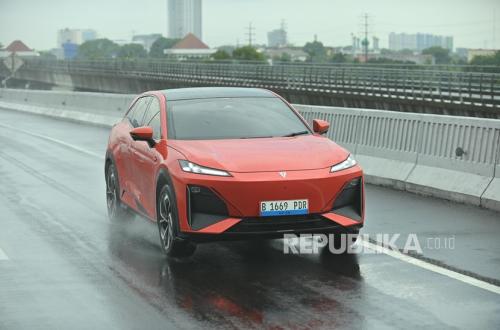
He added that through electric vehicle models such as the Changan Lumin and Deepal S07, the company aims to provide reliable mobility solutions for Indonesian consumers.
Long-distance travel with electric vehicles still requires thorough preparation. One critical step is ensuring the vehicle is in optimal condition before departure. This includes inspections of the braking system, tyre condition, and battery capacity. Servicing at authorised workshops is also recommended to ensure all vehicle systems function properly before undertaking long journeys.
Beyond vehicle preparation, route planning is equally important for electric vehicle users. Drivers are advised to check traffic conditions and the locations of Public Electric Vehicle Charging Stations (SPKLU) along their intended routes.
Setiawan explained that the vehicle’s driving range must also be considered during journey planning.
“With proper route planning and charging strategy, long-distance electric vehicle travel can be conducted more comfortably and efficiently,” he said.
Drivers are also encouraged to take full advantage of fast-charging technology. This technology enables quicker battery charging, allowing rest stops to be used efficiently before continuing the journey.
Additionally, smoother driving practices help maintain energy efficiency in electric vehicles. Avoiding aggressive acceleration and utilising regenerative braking technology help maintain optimal energy consumption throughout the journey.
Vehicle load is another factor requiring attention. During Lebaran travel, vehicles typically carry more passengers and luggage. Excessive loading can affect driving range efficiency and vehicle stability during the journey.