
Electric Vehicle Momentum Strengthens, Electric Car Adoption Rises Rapidly
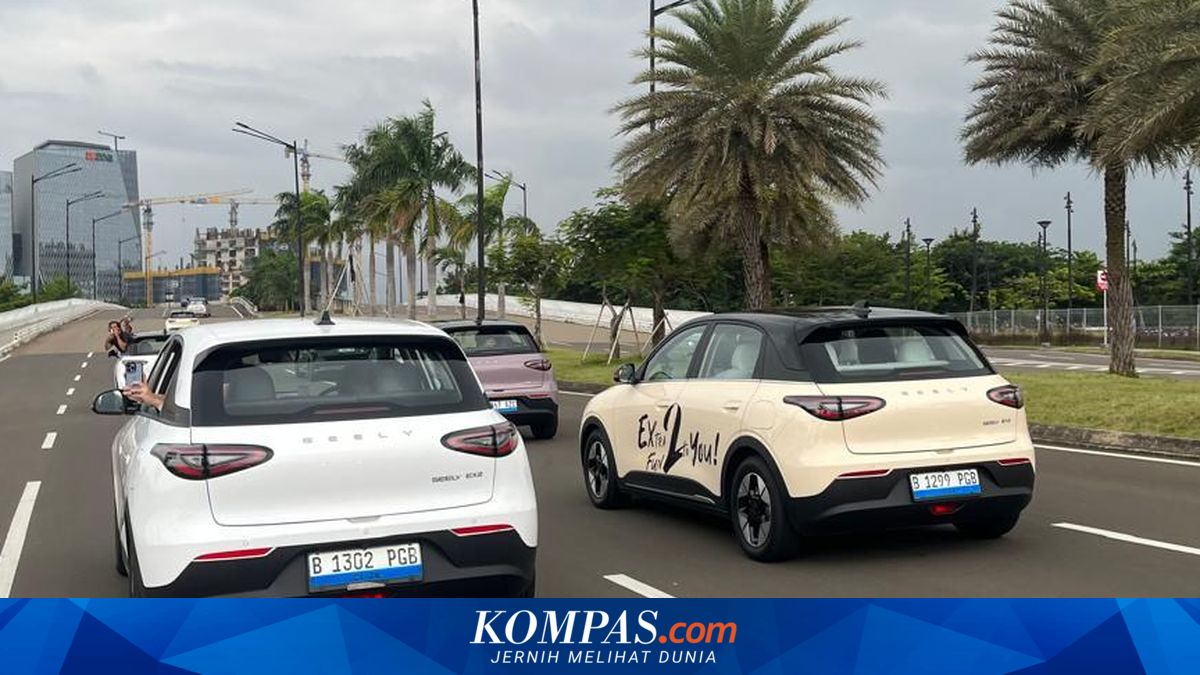
JAKARTA, KOMPAS.com – Global energy uncertainty is once again a concern, particularly amid worries over oil and fuel supplies due to geopolitical dynamics. This situation is prompting the public to consider electric vehicles as an alternative, although adoption in Indonesia remains in its developmental stage.
On the other hand, several indicators show that the momentum for electric vehicles (EV) in the country is strengthening. From usage and infrastructure readiness to government policy support, the direction of EV development is seen as increasingly clear in recent years.
Alongside this surge, the market share of electric vehicles has also increased significantly. If it was around 1.7 percent in 2023, by 2025 it had reached about 12–13 percent of total national car sales.
Entering 2026, the trend continues. In the first two months of this year, the electric vehicle market share has even reached around 15 percent of total national car sales, signalling a more evident shift in market structure.
According to Mahaendra Gofar, founder of EVSafe and lecturer at the National Battery Research Institute (NBRI), the development of electric vehicle adoption in Indonesia has seen a significant surge in a short time.
“With the current trajectory, Indonesia can realistically achieve more than 50 percent EV sales share around 2032 to 2034. This is not an overly ambitious target,” Mahaendra told Kompas.com on Thursday (2/4/2026).
He added that this trend is inseparable from the increasingly mature ecosystem, from charging infrastructure to after-sales networks. Additionally, the growing number of models and new players is making electric vehicles more accessible to consumers.
This growth is also evident from the massive entry of various global brands, particularly from China, bringing competitively priced electric vehicle options. The presence of these products is seen as further accelerating adoption in the domestic market.
Compared to other countries in the region, Indonesia is still in the catching-up phase. Thailand, for example, has recorded an EV share above 20 percent, while other Southeast Asian countries are also showing rapid acceleration thanks to fiscal incentives and aggressive industry support.
From the government side, the direction of electric vehicle development has been planned in stages. The Ministry of Industry divides the national EV roadmap into three periods: the initiation phase in 2023–2026, followed by the consolidation phase in 2026–2029, and the post-2030 expansion phase aimed at driving mass adoption.
In addition, the government has set targets for gradually increasing the Domestic Component Level (TKDN), starting from 40 percent in the initial period to reaching 80 percent by 2030 and beyond. This policy is intended to strengthen the domestic component industry while supporting the national EV ecosystem.
Electric vehicles are seen to have great potential for wider development in Indonesia. However, the speed of their future adoption will very much depend on how quickly these barriers can be overcome.