
Electric Vehicle Incentives Need to Be Activated to Reduce Energy Subsidy Burden
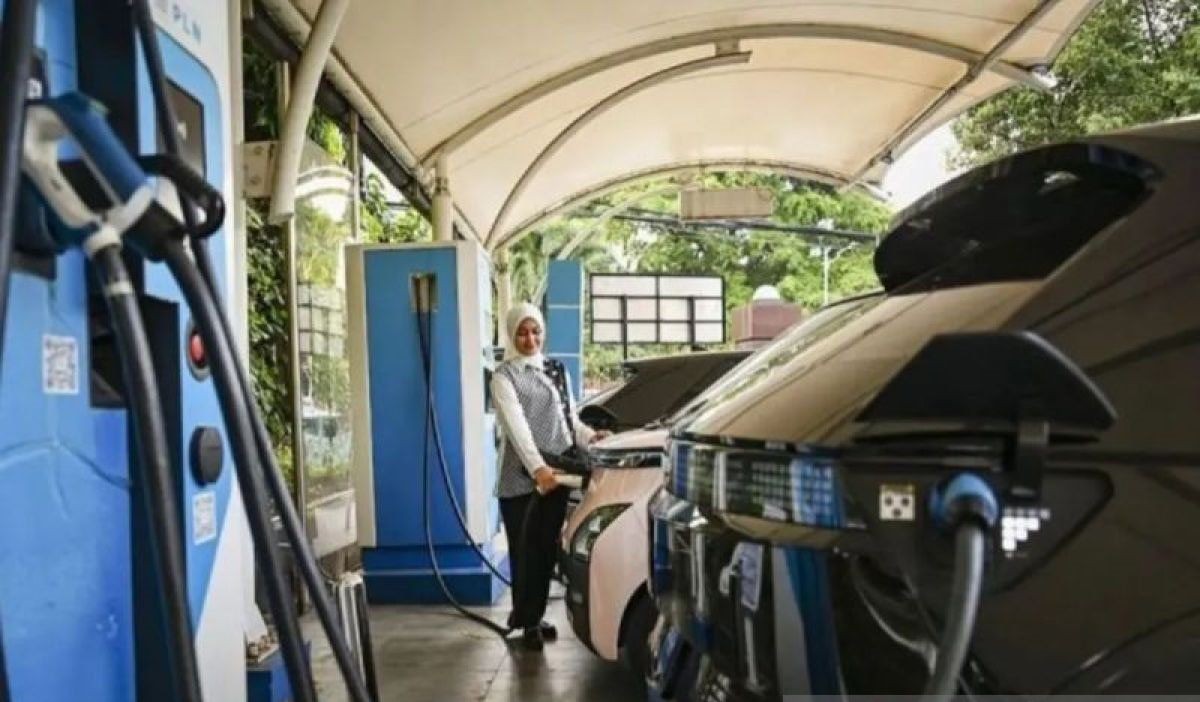
The Institute for Development of Economics and Finance (Indef) assesses that the government needs to promptly reactivate electric vehicle incentives to dampen fiscal pressures arising from the surge in global oil prices. Head of Indef’s Centre for Macroeconomics and Finance, M Rizal Taufikurahman, states that without further stimuli, Indonesia risks losing momentum in accelerating electric vehicle adoption, especially in the middle-class segment.
“This risk of slowdown is quite real, particularly after fiscal incentives end in 2025, which would make electric vehicle prices more expensive and strain public purchasing power,” he said in Jakarta on Thursday.
According to Rizal, previous incentives have proven effective in driving market growth. From January to November 2025, electric vehicle sales reached around 82,000 units, equivalent to 11%-12% of the national automotive market. However, unstable global conditions, including geopolitical tensions between the United States, Israel, and Iran, have kept global oil prices high, even above US$100 per barrel. This situation could increase the energy subsidy burden in the State Revenue and Expenditure Budget (APBN).
Rizal explains that energy subsidy allocations for 2026 are estimated at Rp210 trillion and are highly sensitive to oil price movements. Each US$1 per barrel increase could add around Rp6–7 trillion to the fiscal burden. Thus, a US$10 per barrel oil price rise could inflate subsidies by Rp60 trillion to Rp70 trillion.
In this context, he views electric vehicle incentives not only as a means to sustain public purchasing power but also as a crucial strategy to reduce reliance on imported fuel oil.
“In energy transition simulations, replacing one million conventional vehicles with electric ones could save approximately 13 million barrels of oil per year. This has a significant impact on national energy balance,” he elaborated.
Rizal emphasises that the sustainability of incentives will be a key factor in maintaining the pace of energy transition in the transportation sector while strengthening fiscal stability amid global uncertainties.
Fuel oil still accounts for about 30% of the national energy mix, making it highly vulnerable to geopolitical turmoil and global price fluctuations.
He adds that to optimise the benefits of this programme, policy support needs to be expanded beyond just purchase subsidies.
To date, PLN along with partners has operated 4,769 Public Electric Vehicle Charging Stations (SPKLU) spread across 3,097 locations throughout Indonesia.