
Electric Vehicle Incentives Bring Fresh Wind, Plastic Entrepreneurs Start Approaching
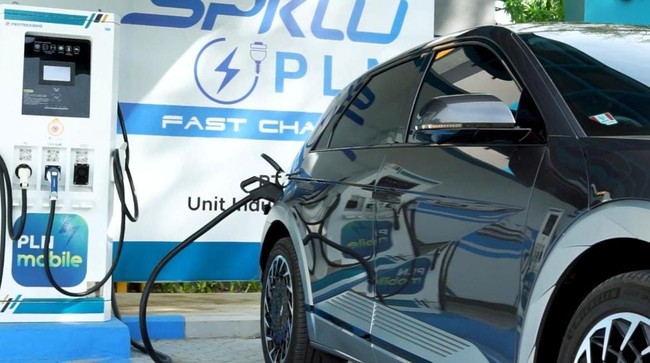
Jakarta, CNBC Indonesia - The government’s policy to encourage the adoption of electric vehicles through incentives for 100,000 units of electric cars has caught the attention of domestic plastics industry players. This step is seen not only as promoting the growth of electric vehicles but also as opening new opportunities in the manufacturing sector.
General Secretary of the Indonesian Association of Olefin, Aromatic, and Plastics Industry (Inaplas) Fajar Budiono believes that the development of electric vehicles will directly impact the increased need for plastic-based components, especially in the battery and electrical sectors.
“If it’s for electric vehicles, we’ll be focusing more on the batteries, right? Both the battery casings and the connectors are all made of plastic,” Fajar told CNBC Indonesia on Wednesday (4/6/2026).
This situation is prompting the industry to move more actively to enter the electric vehicle supply chain, although currently most production is dominated by global players.
“Well, this happens to still be China, right? BYD might only start operating in the coming years. So we’re currently approaching (PDKT) in that direction,” he said.
Penetration efforts are being made through a business-to-business (B2B) approach, specifically to increase local content in the national electric vehicle industry.
“Directly, we don’t have the figures yet, but through B2B, we’re intensifying efforts for the TKDN (local content requirement),” he stated.
Amid these opportunities, industry players are still monitoring market developments, particularly the speed of electric vehicle adoption domestically.
“It seems they’re waiting to see where this 35% goes,” Fajar said.
With the government’s incentives, the momentum for accelerating electric vehicle adoption is considered an important catalyst for the national plastics industry to expand its market while increasing the added value of domestic products.
Previously, Finance Minister Purbaya Yudhi Sadewa decided to provide purchase incentives for electric vehicles. These incentives will apply to 100,000 units in the initial phase.
However, he emphasised that the incentives will have no limits, as if the 100,000-unit purchase target is reached, they will be extended continuously.
“Approximately, for electric cars, we’ll provide incentives for 100,000 electric cars. If they’re used up, we’ll give more; if they’re used up again, we’ll give more,” Purbaya said at his office in Jakarta on Tuesday (5/5/2026).