
Electric Stoves and Vehicles Could Be Key to Facing Energy Uncertainty
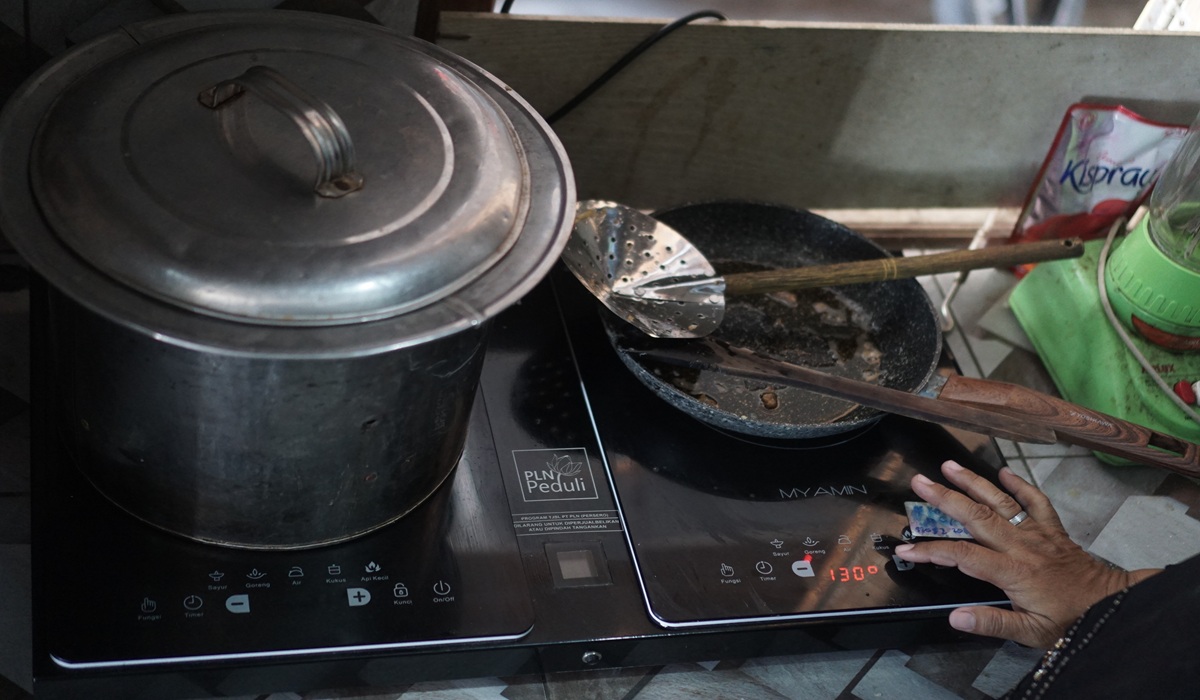
Energy observer Komaidi Notonegoro assesses the utilisation of electric stoves and electric vehicles (EVs) as a strategic step to strengthen national energy resilience. This approach is crucial amid uncertainties in global supply due to escalating conflicts in the Middle East.
Komaidi explains that electrification in the household and transportation sectors can reduce dependence on oil and fuel (BBM).
Currently, BBM contributes around 30% to the national energy mix, making it highly vulnerable to geopolitical turbulence and global price fluctuations.
“Electrification can curb dependence on BBM, which is heavily influenced by global dynamics,” Komaidi stated.
According to Komaidi, electric stoves serve as a primary alternative because their power generation sources do not solely rely on oil and gas. Indonesia possesses abundant reserves of other energy sources, such as coal, to ensure domestic electricity availability.
Furthermore, he emphasises that the main advantage of this technology lies in the flexibility of its energy sources.
Electricity in Indonesia can be generated from various local sources, ranging from coal, gas, hydropower, to geothermal.
In the transportation sector, electric vehicles are deemed vital in curbing national BBM consumption.
Based on data from the Ministry of Energy and Mineral Resources, Indonesia’s BBM consumption reaches 532 million barrels per year, with the transportation sector dominating usage up to 52%.
“Electric vehicles have the potential to reduce dependence on BBM imports. In the long term, this can also strengthen energy resilience while easing the subsidy burden,” he explained.
Komaidi also appreciates the government’s steps in providing various incentives to accelerate electrification adoption.
Such support includes tax exemptions, purchase subsidies, and policies exempting from odd-even restrictions in several areas.
He is optimistic that with massive socialisation and consistent policies, the transition to electric stoves and vehicles will become a key pillar for Indonesia’s energy sovereignty.
“With broader socialisation and consistent policies, electric stoves and vehicles can become an important part of the strategy to strengthen national energy resilience,” he concluded.