
Electric Motorcycle Batteries Banned from Apartments; Manufacturers Respond
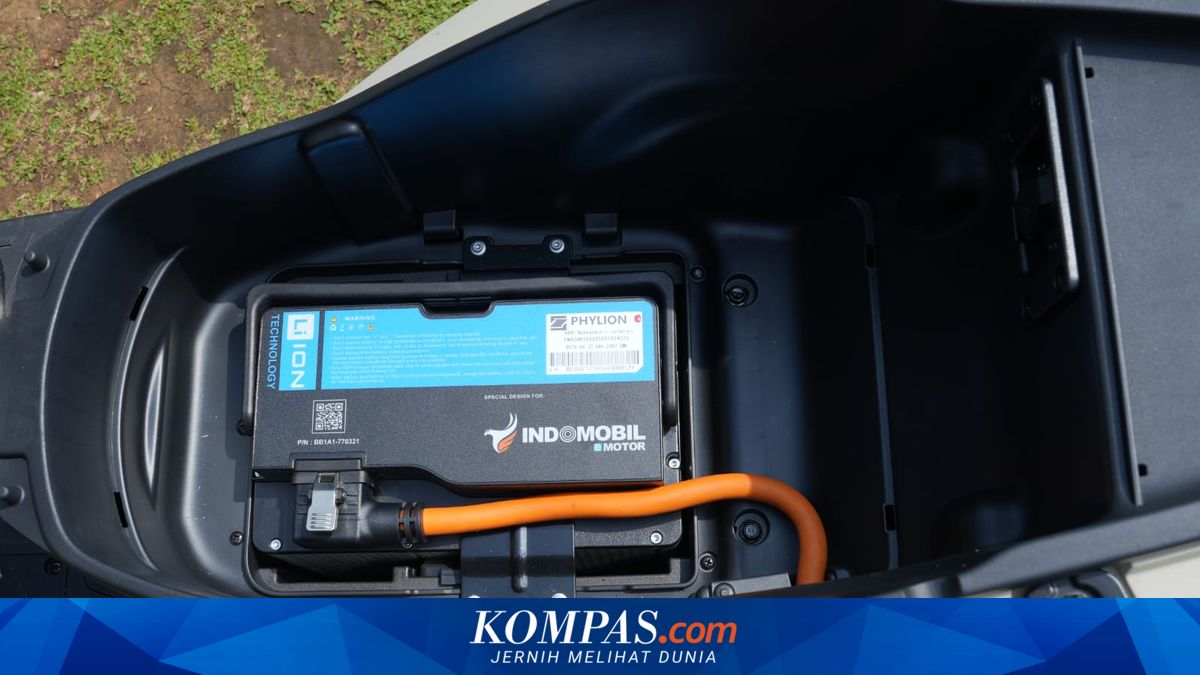
JAKARTA – The use of electric motorcycles is rising steadily alongside vehicle electrification efforts across various Indonesian cities. However, this growth has raised concerns about battery safety, particularly in vertical housing developments such as apartments and blocks of flats.
An increasing number of apartment and residential building managers have begun campaigning for bans on bringing electric motorcycle batteries into units for charging purposes, citing potential fire risks.
In response, Indomobil Emotor CEO Pius Wirawan explained that not all electric motorcycle batteries have identical characteristics. “The issue,” he said, “is that when we talk about batteries, there are lithium and lead-acid types. Lithium comes in two varieties: nickel-based, which we call NCM, and LFP. LFP also has many variations, such as LFP and LMO.”
“What happens,” Pius continued, “is that NCM batteries are the main concern. Nickel-based batteries have a much higher energy density or power density – about 50 to 70 per cent more compact.” In simple terms, NCM technology batteries offer higher performance and a more compact size. However, they are considerably more sensitive to heat and impact compared to LFP-type batteries.
Conversely, LFP batteries are generally known to be more stable and offer better safety ratings, although they tend to be larger and heavier. “However, NCM is widely used for high-performance applications because it has higher discharge rates. But it is indeed more sensitive – friction can cause ignition, and heat can also cause fires,” Wirawan noted.
Building managers are encouraged to provide solutions such as dedicated charging areas, ensuring resident needs are met without compromising safety.