
Electric AKAP Buses: Investment and Infrastructure Challenges in Indonesia
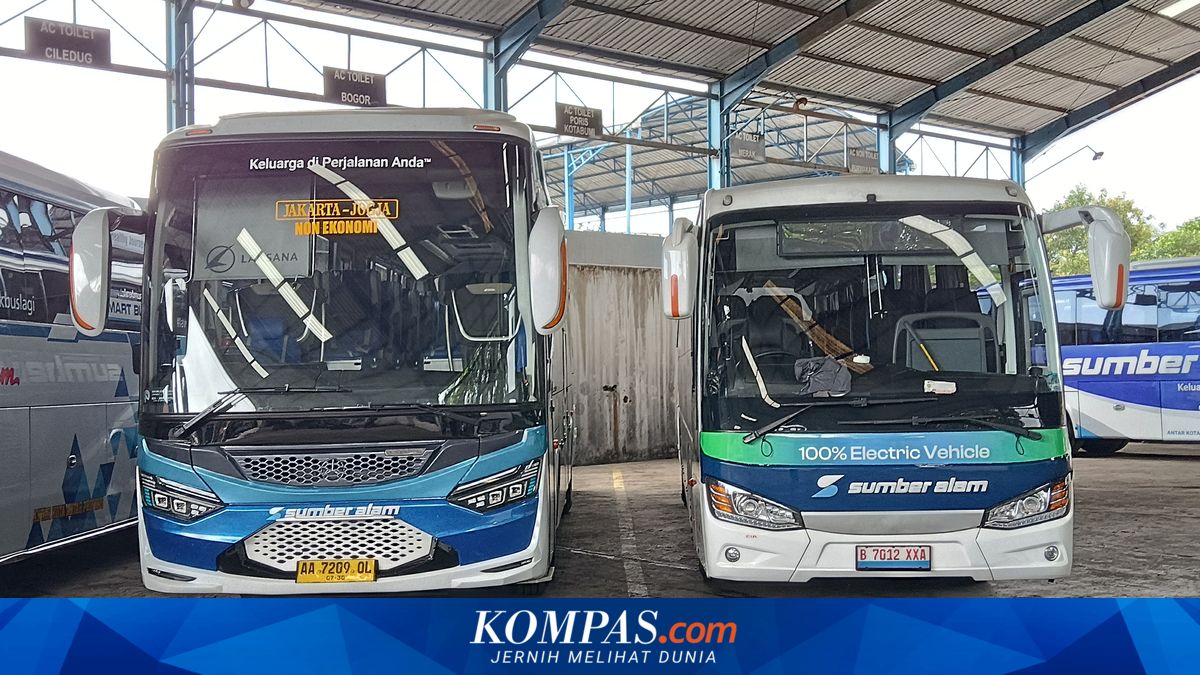
The government continues to promote the use of electric vehicles in the country, including buses. This has naturally drawn attention from intercity transport business owners who have long relied on conventional buses. Anthony Steven Hambali, Chairman of the Tourism Transport Division of DPP Organda and owner of PO Sumber Alam, stated that he always supports government policies to reduce dependence on fuel oil. “The investment cost for electric buses is still high. Sumber Alam itself once conducted a trial of electric AKAP bus services using a unit from Kalista on the Jakarta-Yogyakarta route,” he told Kompas.com at the forum discussion on Strategic Solutions to Face Fuel Scarcity: Accelerating Electrification of Public Transport and Industry, a few days ago. Based on that trial, Anthony estimated he could afford to buy one electric bus unit because the price is still very high. However, the problem lies in the readiness of the existing infrastructure. Therefore, there is concern about queues for charging electric buses because they would have to take turns. This condition would ultimately hinder bus operations in transporting passengers. “So the challenges in implementing electric vehicles for AKAP bus services are the higher vehicle prices, which will be followed by financing schemes. Then the technology is still new,” he said. Anthony also mentioned that what consumers fear most about electric vehicles is depreciation. Additionally, if the bus battery’s lifespan has ended, it remains a question of what to do next. Therefore, according to him, the most reasonable policy to implement currently is to prioritise fuel oil supplies for public transport. “Then fuel subsidies must be on target, directly to the operators,” he said.