
El Niño 'Godzilla' Predicted to Strike Indonesia: What Are the Impacts?
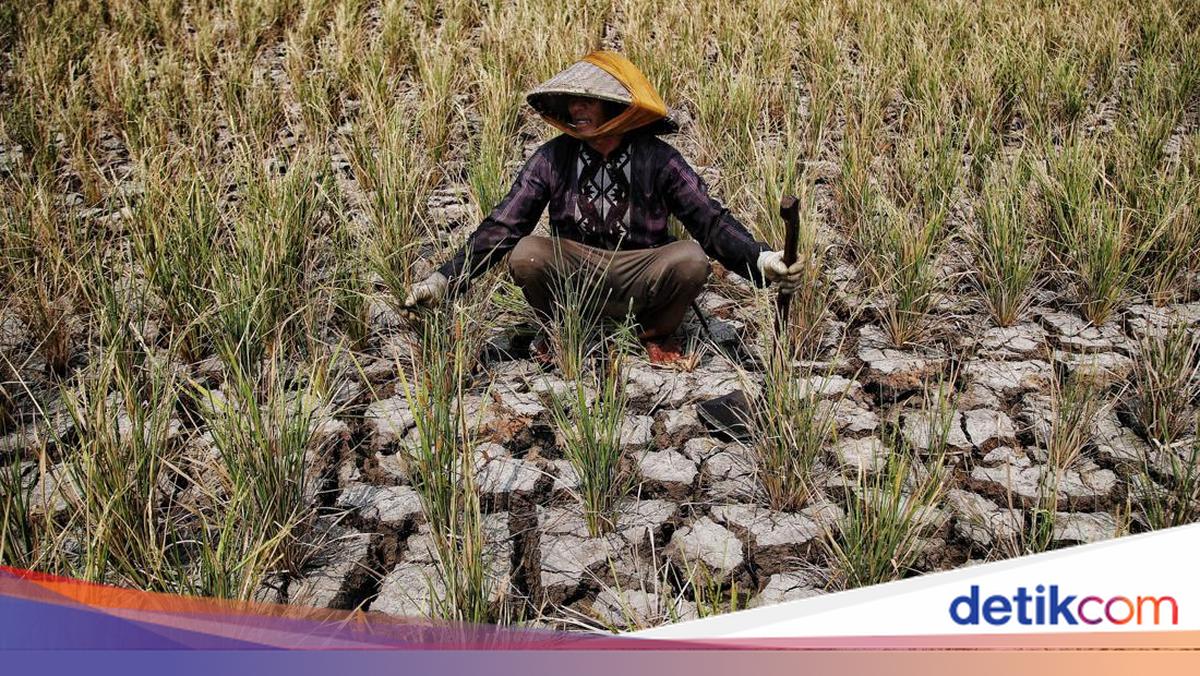
The National Research and Innovation Agency (BRIN) predicts that the ‘Godzilla’ El Niño and positive IOD will occur in Indonesia. El Niño is a phenomenon involving the warming of sea surface temperatures in the Equatorial Pacific Ocean. According to a post on BRIN’s Instagram account (@brin_indonesia), the El Niño phenomenon, including the potential for a strong variation (‘Godzilla’), will cause a longer and drier dry season in Indonesia. El Niño is estimated to begin occurring from April 2026. This ‘Godzilla’ El Niño will impact cloud formation and concentrated rainfall over the Pacific Ocean. In contrast, Indonesian regions will experience minimal cloud cover and rainfall. Meanwhile, the positive IOD phenomenon in the Indian Ocean, indicated by cooling sea surface temperatures near Sumatra and Java, will cause a significant reduction in rainfall across Indonesian regions. When Will the ‘Godzilla’ El Niño and Positive IOD Occur in Indonesia? The ‘Godzilla’ El Niño phenomenon along with positive IOD is predicted to occur simultaneously during Indonesia’s dry season period, from April to October 2026. For the impacts of El Niño and positive IOD from April to July 2026, data from the seasonal prediction model developed by BRIN shows dry conditions occurring in most of Java Island to East Nusa Tenggara. In contrast, regions in Sulawesi and Maluku, Halmahera, Maluku, will mostly still experience high rainfall. Impacts of El Niño and Positive IOD in Indonesia The impacts of the super El Niño and positive IOD are not uniform across Indonesian regions. Therefore, government mitigation efforts should consider: - The drought impacts in southern Indonesia that could threaten the national rice granaries, especially in northern coastal Java. - Flooding impacts in northeastern Indonesian regions due to high rainfall during the dry season (Sulawesi, Halmahera, Maluku). - Forest and land fire impacts in parts of Sumatra and Kalimantan, although the northern parts of both islands will still experience high rainfall. - Optimising salt production to achieve salt self-sufficiency during 2026-2027, especially in southern Indonesian regions.