
El Niño Arrives, Soil Begins to Lose Water
Water management, soil conservation, and vigilance against land fires must become part of a joint strategy.
Jakarta (ANTARA) - In recent months, many regions across Indonesia have experienced flooding. Rivers have overflowed, landslides have occurred in various locations, and water has come torrentially from upstream areas. However, nature often moves in unexpected ways. After periods of extreme rainfall, another threat can emerge: prolonged drought.
The Meteorology, Climatology, and Geophysics Agency (BMKG) predicts that the dry season this year will begin to be felt across many regions of Indonesia in April 2026. If this prediction is linked to the El Niño phenomenon, then the coming drought will be more than just an ordinary dry season. It could be longer, hotter, and drier.
El Niño is a global climate phenomenon that originates from changes in sea surface temperatures in the Pacific Ocean. These changes affect wind direction and the movement of rain clouds across various parts of the world.
For Indonesia, El Niño typically means reduced rainfall. Rain clouds that normally form in the Nusantara region shift to other areas. Consequently, the dry season can last longer than usual.
This change often occurs gradually. Initially, it is only noticeable through clearer skies and increasingly infrequent rainfall. However, beneath these small changes, other processes are occurring beneath the soil surface.
Loss of Water Reserves
Soil actually functions like a giant sponge. When rain falls, some water seeps into the soil and is stored in its pores. This water is then used by plants to survive between two rainy seasons.
During the rainy season, these water reserves are usually quite stable. However, when rain stops for a long time, these reserves gradually deplete.
Meanwhile, water within the soil continues to be lost through evaporation and absorption by plants. If dry conditions persist for months, soil that is normally moist begins to lose its water.
This change is often not immediately visible to the naked eye, but its impact is very real for agriculture.
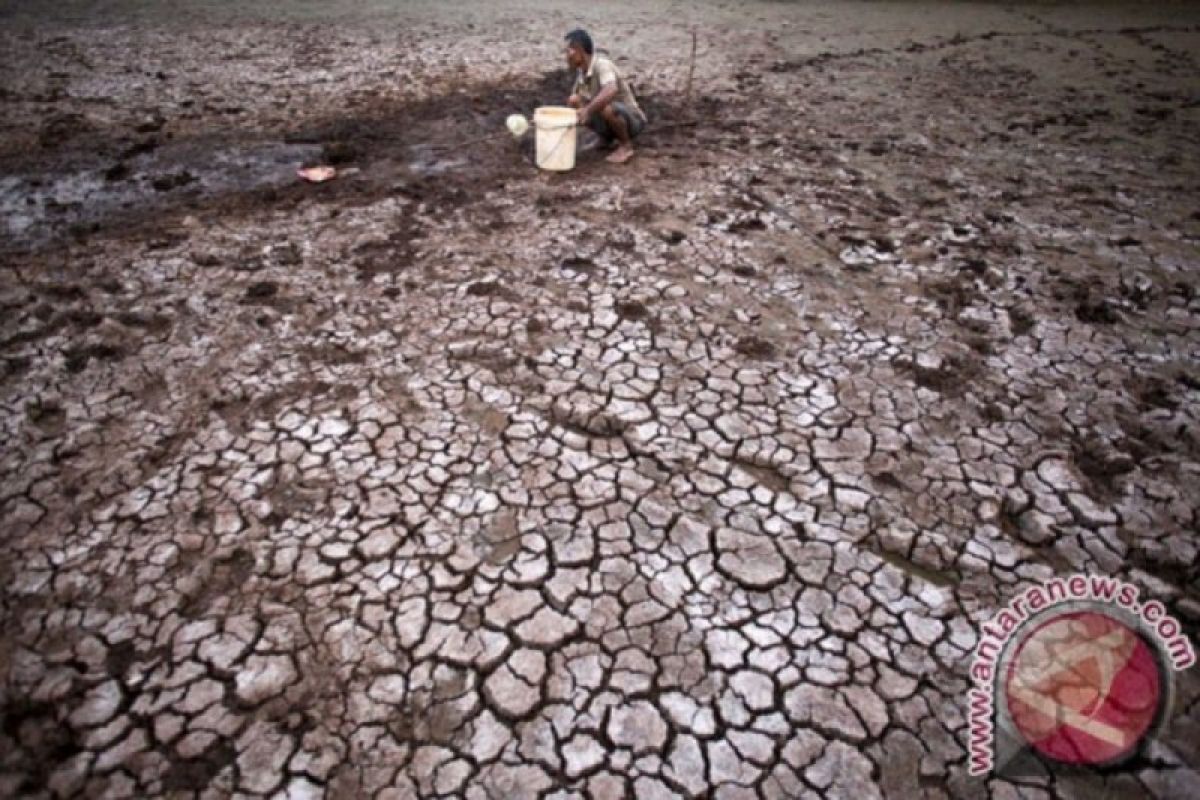
One of the most easily recognisable signs of drought is the appearance of cracks on the soil surface. In certain types of soil, particularly those containing large amounts of clay, the soil surface can shrink when losing water.
The cracks that appear may seem small at first. However, if drought persists for an extended period, these gaps can become deeper and wider. Soil that was previously loose becomes hardened.
These cracks are actually more than just a sign of drought. They indicate that water reserves within the soil have been drastically reduced.
For farmers, this condition means plants increasingly struggle to obtain water. Soil also becomes more difficult to work.
Soil is not a lifeless object. Within a single handful of soil, millions of tiny organisms such as bacteria and fungi live, helping to enrich the soil.
They work to break down plant remains into nutrients that can be absorbed by the next generation of plants. This process is vital for soil fertility.
However, soil organisms are highly dependent on moisture. When soil dries out, their activity declines. Consequently, the release of nutrients into the soil becomes slower.
Soil actually still contains nutrients, but plants cannot utilise them optimally because natural processes within the soil are hindered by drought.