
El Niño 2026 Threatens Java to Kalimantan, but Not the Worst in History
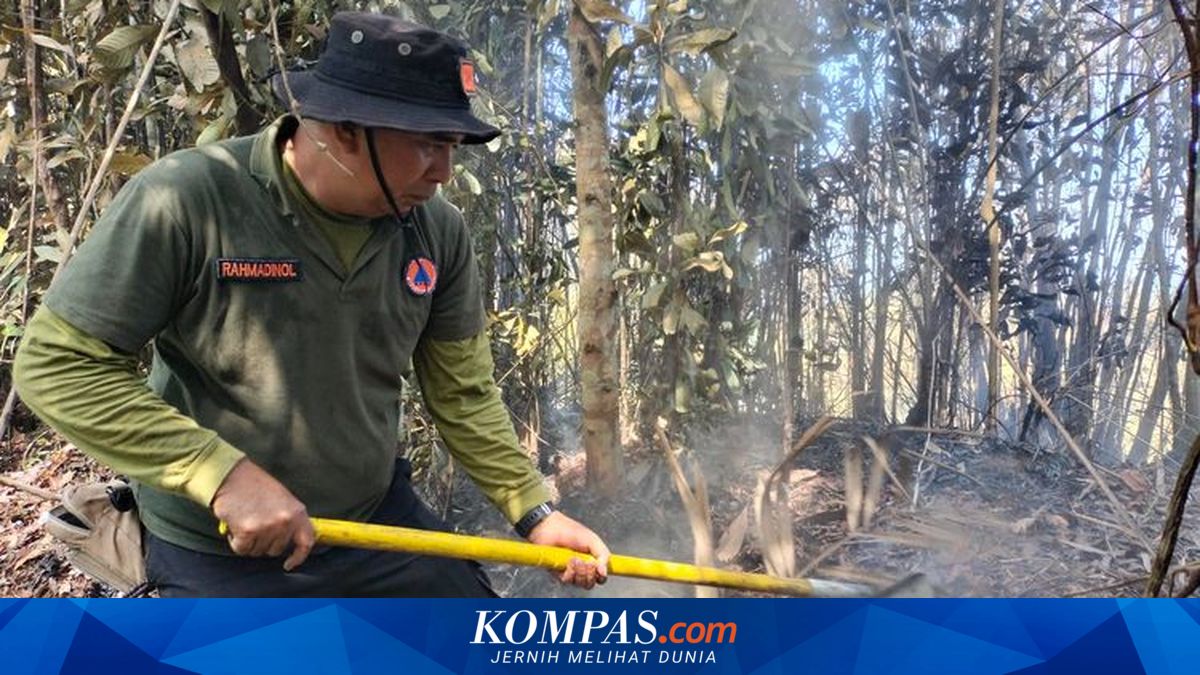
Indonesia’s dry season this year may not be as usual. El Niño — the natural phenomenon that makes rain clouds ‘move’ from Indonesia to the central Pacific Ocean — is active and starting to have an impact. Several regions in Indonesia are predicted to experience longer droughts, dwindling water availability, and an increased risk of forest fires. Put simply, El Niño occurs when sea surface temperatures in the central and eastern Pacific rise above normal. This warming creates a low-pressure centre there, which draws rain-bearing clouds away from Southeast Asia, including Indonesia. ‘As the Pacific Ocean warms there, our clouds will be drawn toward the central Pacific. Because of the pressure centre there, they are drawn away; our region does not receive rain,’ said Eddy Hermawan, Senior Principal Researcher at BRIN, to Kompas.com on Friday (22/5/2026). The result is a dry season that arrives earlier, lasts longer, and with rainfall far below average. This is not only about hotter weather — its impacts directly touch agriculture, access to clean water, and the risk of forest fires. According to Eddy, the first and most affected areas are NTT and NTB. From there, the drought’s impacts move west: East Java, Central Java, and West Java. South Sumatra and South Kalimantan are also in the danger zone, especially because the last two areas have extensive peatlands that burn very easily when dry. For South Sulawesi, Eddy notes that this region should also be wary of drought. ‘Papua and North Sulawesi are predicted to be relatively safe from the impacts of this El Niño,’ Eddy said. For farmers in the affected regions, following the seasonal schedule information from BMKG is important to adjust planting times before water sources dry up. The public can begin to conserve water more now, because the peak of the dry season could cause wells and reservoirs to dry up faster than in normal years.