
Eight women's cosmetic products have their permits revoked by BPOM, here is the list
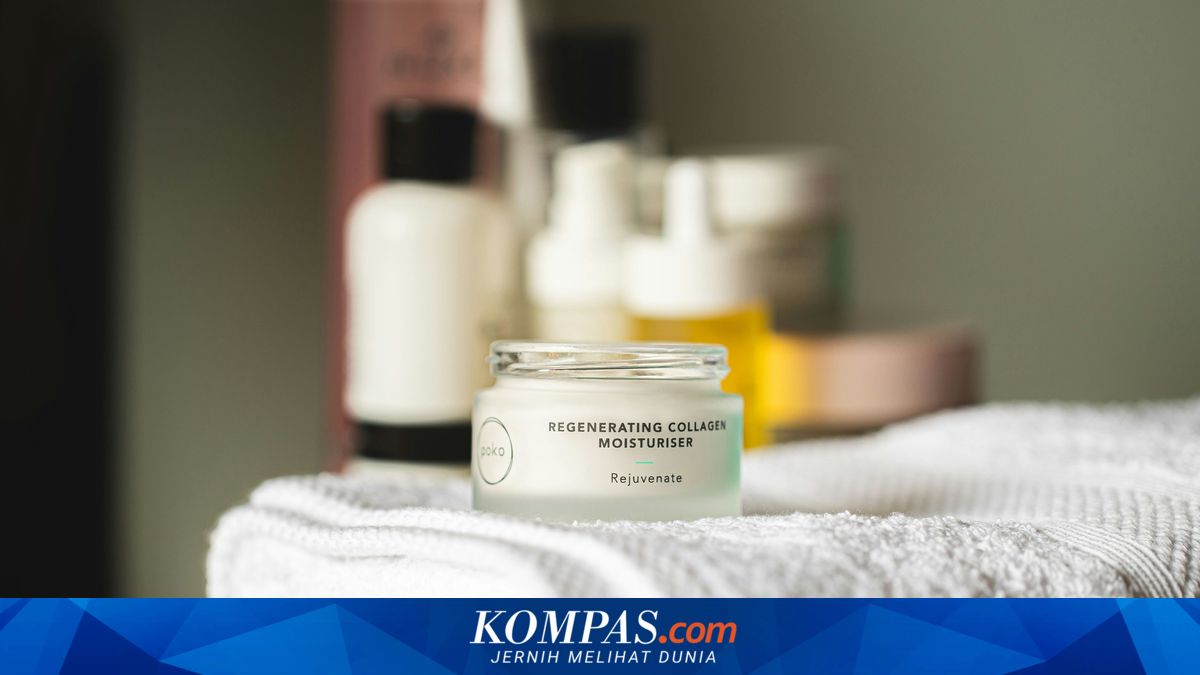
Indonesia’s drug and food regulatory authority (BPOM) has revoked the distribution permits of eight cosmetic products after violations were discovered in promotional activities deemed misleading and in violation of decency standards.
This finding resulted from intensive monitoring conducted throughout the second half of 2025, particularly in digital spaces. The monitoring focused on the widespread promotion of cosmetics on marketplaces and social media platforms that frequently used exaggerated claims to attract consumer attention.
During the monitoring process, BPOM discovered a number of products being marketed with sensational claims lacking any scientific foundation. These claims were considered not only exaggerated but also potentially deceptive to the public. Additionally, the claims were deemed to violate decency standards as they exploited sensitive issues for commercial gain.
Regulatory standards dictate that cosmetics are not intended to influence bodily organ function or provide therapeutic effects. This conflicts with BPOM Regulation No. 18 of 2024 on Labelling, Promotion, and Advertising of Cosmetics, which emphasises that cosmetics are for cleansing, perfuming, altering appearance, or external body care only.
The decision was made after a series of supervisory processes including digital monitoring, evidence collection, and comprehensive verification of the products in question. BPOM head Taruna Ikrar emphasised that this action represents the state’s commitment to protecting the public from irresponsible business practices.
“BPOM will not tolerate any business operators who deliberately exploit sensitive issues and consumer vulnerabilities through misleading cosmetic promotions that violate decency standards,” said Taruna in an official BPOM statement on Tuesday, 17 March 2026.
He added that such practices not only violate regulations but can also pose health risks and cause financial harm to the broader public. “Practices like this not only break the law but can also potentially endanger health and harm society widely,” he continued.