
Eight Companies Queuing for IPO on Indonesian Stock Exchange, Dominated by Basic Materials Sector
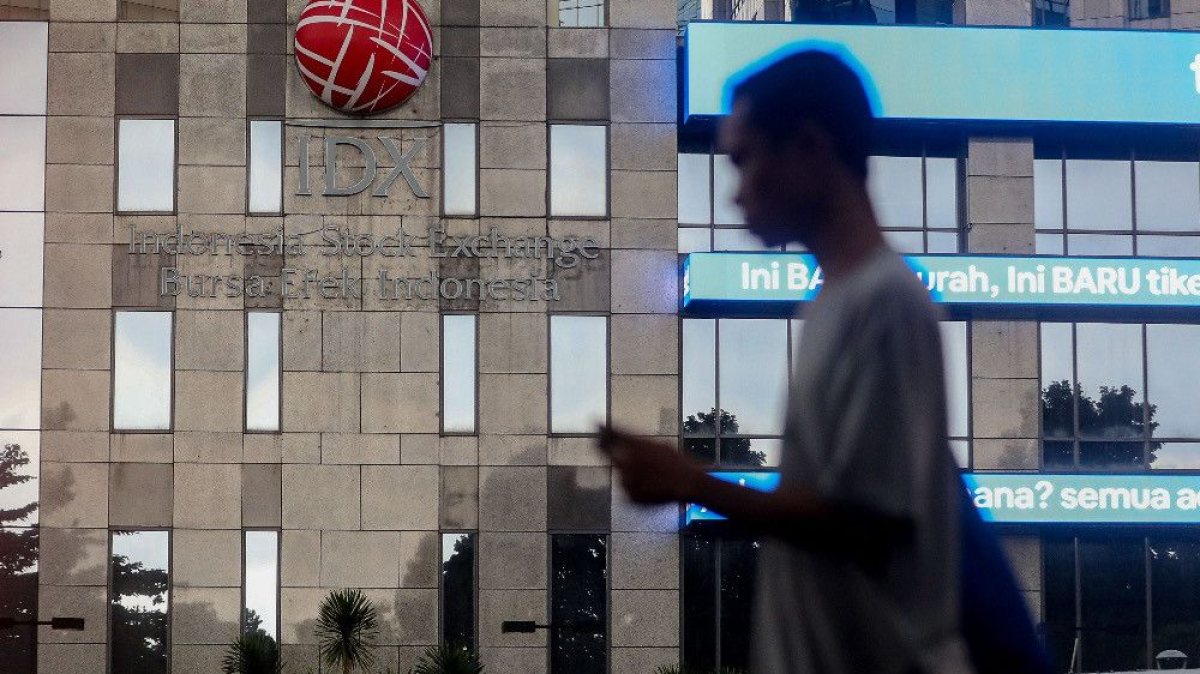
The Indonesia Stock Exchange (IDX) has recorded eight companies on the waiting list for Initial Public Offerings (IPOs) as of 20 February 2026. Of this total, three companies are classified as mid-sized enterprises with assets between Rp50 billion and Rp250 billion, whilst five other companies are large-scale with assets exceeding Rp250 billion.
By sector, the majority of prospective issuers are from the basic materials and financial sectors, each with two companies. As of February 2026, no IPOs have been realised, contrasting with the same period in the previous year.
Capital market analyst Reydi Octa assessed that a combination of global and domestic factors has caused the IPO slowdown in early 2026. He cited lingering risk-off sentiment owing to rating pressure and regulatory uncertainty regarding global index adjustments.
According to him, unstable valuations have prompted prospective issuers to delay and await optimal market momentum. Meanwhile, investors have also adopted a more selective stance compared to 2021–2022.
“Actually, these two sectors are relatively logical. Basic materials benefit from stabilising commodity cycles and potential downstream processing projects. Financial, meanwhile, benefits from declining interest rate trends. So macroeconomically, the momentum exists; it comes down to market timing and strong fundamental narratives,” Reydi told Bisnis on Wednesday (25/2/2026).
The exchange authority, under its capital market transformation agenda, is prioritising the quality of IPO issuers over quantity. This is viewed positively as it can improve market cap quality and free float, whilst attracting foreign capital flows due to deeper liquidity. This matters for positioning Indonesia in global indices. However, space for smaller issuers could become tighter, and the market could appear increasingly concentrated on large-caps.
Meanwhile, Kiwoom Securities Head of Equity Research Liza Camelia Suryanata believes early 2026 is not an ideal IPO window. Beyond global volatility from tariff tensions and Indonesia’s previously-weakened sovereign outlook from Moody’s, the market is still digesting MSCI free float methodology issues and new IDX rules requiring a minimum 15% free float upon initial listing and ultimate beneficial owner disclosure above 1%.
The combination of stricter regulations and governance scrutiny has led some prospective issuers, particularly those with concentrated ownership structures, to postpone plans.
“There’s even rumour that one major candidate has delayed its listing plans because it feels unprepared for new regulatory exposure and pressures,” Liza said.
Globally, early-year IPO trends are also relatively selective. In the United States and Asia, only companies with strong balance sheets and rational valuations dare enter the market. This cautious sentiment extends beyond Indonesia.
“However, from a sector perspective, basic materials and financial actually have fairly relevant macroeconomic narratives. Basic materials benefits from mineral downstream processing agendas, energy transition raw material requirements, and potential Chinese demand recovery, making capex and capital structure strengthening rational reasons for tapping public funding,” she explained.
The financial sector benefits from BI-Rate stability, still-positive credit growth, and capital needs for digital expansion and CAR strengthening amid increasingly stringent governance standards. Liza emphasised that although the market window is narrow, this sector has a relatively good story to sell to institutional investors.
The authorities’ current focus on large-scale issuers is viewed positively as it can deepen liquidity, expand market cap, and improve the market’s quality perception among global fund managers, particularly following governance and free float concerns. Large issuers with adequate free float also stand better chances of entering global indices, attracting passive inflows.
However, if tilted too heavily towards large corporations, the mid-sized issuer pipeline could be marginalised and capital markets’ function as a financing mechanism for SME advancement could become suboptimal.
“The challenge is maintaining balance between quality, transparency, and inclusivity so that Indonesia’s capital market is not only large in capitalisation, but also sound in structure,” she concluded.