
Eight Categories Entitled to Receive Zakat: Who Are They?
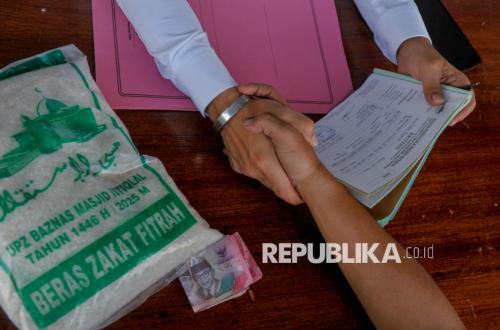
Zakat fitrah has several distinctions from other forms of charity, such as voluntary almsgiving. It has more specific recipients.
The Quran has set limitations on who is eligible to receive zakat. See, for example, Surah At-Taubah verse 60.
The meaning of this verse is: “Alms are only for the poor, the needy, those employed to collect them, those whose hearts are to be reconciled, those in bondage, those in debt, those in the cause of Allah, and travellers; a duty imposed by Allah. Allah is All-Knowing, All-Wise.”
The following is a detailed explanation of the eight categories of zakat recipients, mentioned in the Quran’s Surah At-Taubah verse 60.
Al-Fuqara’ (The Extremely Poor)
According to the Indonesian Language Dictionary, the extremely poor (fakir) refers to people who are severely destitute or impoverished. Under Islamic law, the extremely poor (al-fuqara’) are those who have no wealth or income.
As reported by the Muhammadiyah Central Leadership, al-fuqara’ can also mean destitute people unable to meet basic needs such as food, clothing, shelter, healthcare and education.
For example, elderly people without pensions or income fall into this category. Similarly, those who have lost their possessions due to disasters or those who cannot afford nine years of basic education are all classified as the extremely poor (al-fuqara’).
Al-Masakin (The Poor)
The poor face less severe economic difficulties than the extremely poor. However, the poor also live in difficult circumstances, such as being burdened with debt.
Allah has determined that the poor are among those eligible to receive zakat. By definition, the poor (al-masakin) are those who have work, employment, or income insufficient to meet basic needs.
Examples of al-masakin include those lacking capital for business ventures and those suffering from illness without the means to seek medical treatment.