
Eid Money-Giving Tradition Not Exclusive to Indonesia
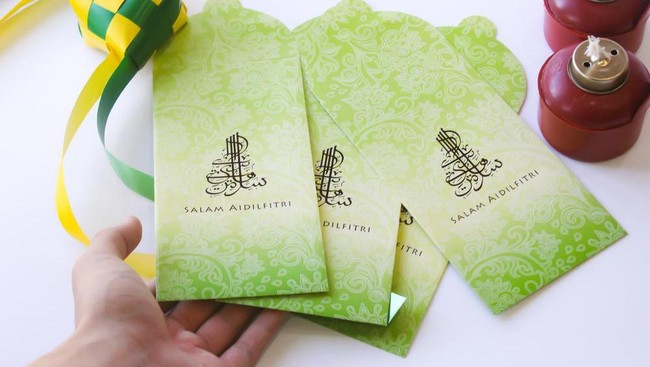
Every Eid al-Fitr, Indonesian society adheres to a cherished tradition of providing THR (Holiday Allowance) or envelopes containing money to children, relatives, and younger individuals. This practice is not merely an act of generosity but a symbol of sharing happiness after a month of fasting. In Indonesia, according to a report by Dutch anthropologist Snouck Hurgronje in Aceh in the Eyes of the Colonialist (1906), Indonesian society has long been accustomed to giving gifts to family, neighbours, and kin during Eid. This is done to maintain social bonds and affirm social status within the community. However, the tradition of giving money during the holiday actually has much older roots, extending back to the classical Islamic world. During the Abbasid era (750-1258 AD) in Baghdad, the custom of distributing gifts, including money or valuable items, became part of Eid al-Fitr celebrations among the palace elite. Abbasid caliphs were known to distribute wealth and gifts to officials, soldiers, and the common people as symbols of blessing and to strengthen social ties. This tradition spread to other Islamic realms, including Egypt under the Fatimid Dynasty (909-1171 AD). According to the book Unveiling the Structures of Eidiya (2020) on the Fatimids, the giving of money and gifts to children and the poor during Eid became a ritual that reinforced social solidarity and values of justice. In the modern era, similar practices are observed in several Muslim countries in Southeast Asia. In Malaysia and Singapore, parents distribute ‘duit raya’ to children as a symbol of blessing and prayers for their healthy growth. Red envelopes in Singapore reflect acculturation with Chinese traditions similar to Chinese New Year. Meanwhile, in the Middle East, such as in Egypt and Jordan, children receive “Eidiya” in the form of small amounts of money from relatives during Eid. The purpose is the same, emphasising the universal meaning of this tradition: sharing happiness and strengthening social relationships. Thus, the tradition of giving money during Eid is not only culturally “obligatory” in Indonesia but also part of practices spanning time and regions in the Islamic world.