
Egypt Raises Fuel Prices by 30 Per Cent Due to Middle East Conflict
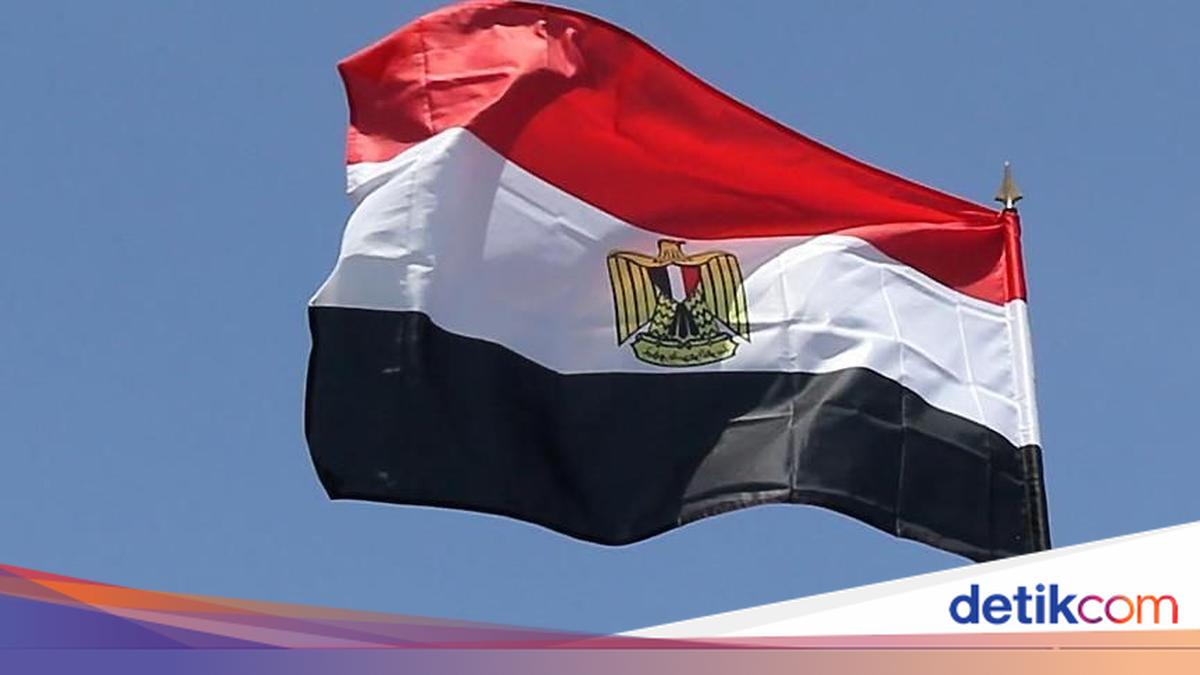
The Egyptian government has raised fuel prices by up to 30 per cent from Tuesday, 10 March local time. The government cited extraordinary global energy pressures resulting from the Middle East conflict, which has disrupted oil supplies and shipping lanes, as the reason for the increase.
The price adjustment, announced by Egypt’s Ministry of Petroleum on Tuesday, 10 March, applies to petrol, diesel, and compressed natural gas used in vehicles.
In its statement, the Ministry of Petroleum explained that the adjustment was driven by “disruptions in the supply chain, heightened risk levels, and increased maritime shipping and insurance costs”.
The ministry noted that the conflict situation has pushed petroleum product prices to “levels not seen in recent years”.
Oil prices spiked above $119 per barrel on Monday, 9 March local time, before falling to approximately $84 after US President Donald Trump stated that the US-Israel conflict with Iran would end soon.
Under Cairo’s policy, diesel—one of the most widely used fuels in Egypt—increased by 3 Egyptian Pounds (approximately £0.15), or about 17.1 per cent. The price rose from 17.50 Egyptian Pounds (£0.89) per litre to 20.50 Egyptian Pounds (£1.05) per litre.
Octane 80 petrol increased by approximately 16.9 per cent to 20.75 Egyptian Pounds (£1.06) per litre. Octane 92 petrol rose by approximately 15.6 per cent to 22.25 Egyptian Pounds (£1.13) per litre.
Octane 95 petrol increased by approximately 14.3 per cent to 24 Egyptian Pounds (£1.22) per litre.
Compressed natural gas for vehicles experienced the largest increase, surging 30 per cent to 13 Egyptian Pounds (£0.66) per cubic metre.
Egypt has raised fuel prices four times over the past two years as part of an $8 billion International Monetary Fund (IMF) loan programme. A 13 per cent increase in October was expected to be the last under the programme.