
Efforts to Transform Indonesia's Maritime Sector
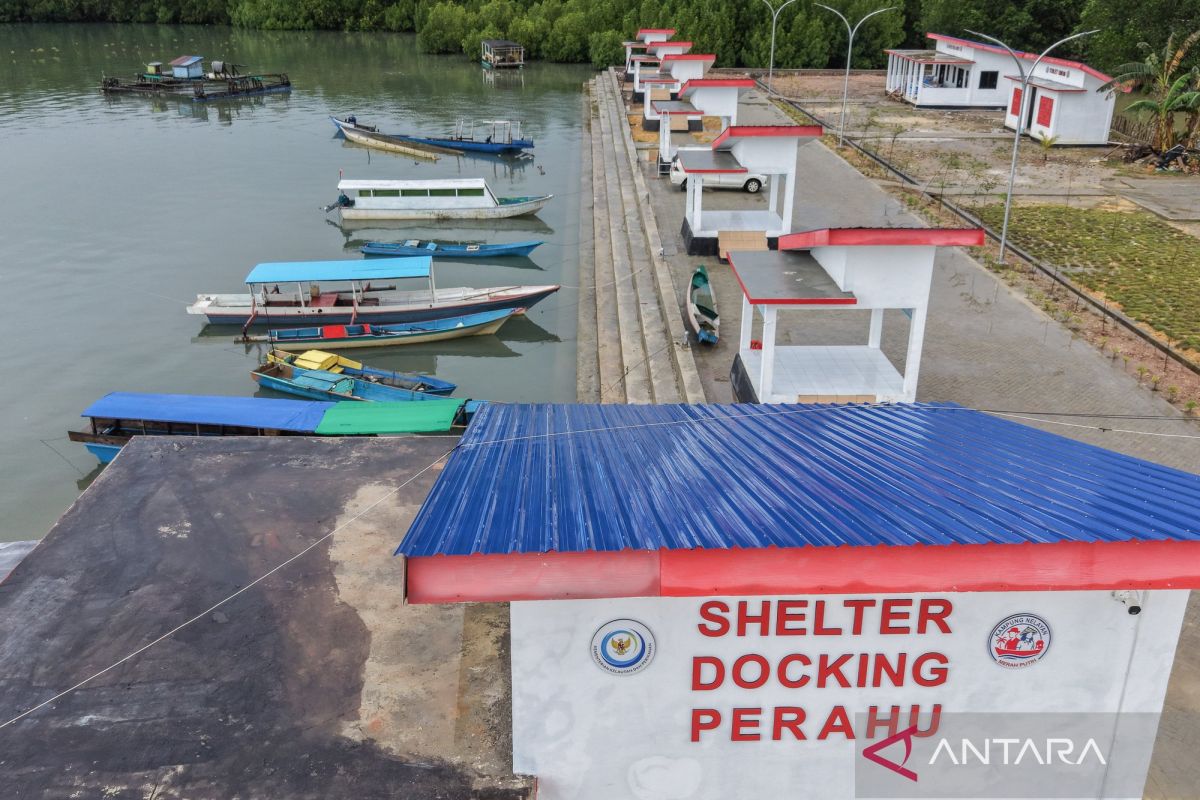
Jakarta (ANTARA) - The transformation of Indonesia’s maritime sector under President Prabowo Subianto’s leadership has shifted from mere social assistance programmes to an aggressive manifestation of the blue economy.
The government is no longer positioning itself as a mere regulatory overseer but as the primary driver through centrally controlled micro-scale industrialisation. The core of this strategy lies in the Red White Fishermen’s Village Programme, a scheme designed to completely overhaul the coastal economic structure by modernising thousands of fishing villages to break the chains of traditional economies deemed inefficient.
This policy marks the end of the passive coastal development era, such as simply providing boats, funds, or fishing equipment without supporting systems. By investing massively in building a fisheries ecosystem from upstream to downstream in integrated zones, the government is making a significant socio-political wager.
The transition of fishermen’s business models from independent operators to cooperative members is the structural change intended to secure Indonesia’s sovereignty over marine resources, particularly in the Exclusive Economic Zone, which has long been vulnerable to foreign fleet dominance.
The government has set highly aggressive targets with plans to simultaneously inaugurate 1,386 Red White Fishermen’s Villages (KNMP) by the end of 2026. This figure serves as an instrument to mobilise the bureaucracy to move beyond conventional rhythms.
Given that Indonesia has around 12,000 fishing villages, this target covers more than 10% of the coastal population in just the first two years of the administration. This roadmap is designed to increase exponentially to reach a total of 5,000 modern fishing villages by 2029, meaning 40% of national fishing villages by the end of the term.
The numerical targets for KNMP development are indeed ambitious but understandable given the massive reallocation of state expenditure from a fiscal commitment perspective. However, the operational effectiveness of thousands of units requires super careful review because classic obstacles, such as cooperative management and land disputes, often become weak points in large-scale infrastructure projects in Indonesia.
Funding for this programme comes from efficiencies in state spending considered unproductive. President Prabowo has stated that the trimming of expenditure by Rp308 trillion in his first year in office is funds reallocated to finance strategic initiatives, such as the Red White Fishermen’s Village and the Free Nutritious Meals programme.
If calculated, the estimated cost to build one complete fishing village unit reaches Rp22 billion, covering landing facilities, ice factories, frozen warehouses, to social facilities. With a target of 1,386 units by 2026, the total infrastructure investment poured in amounts to approximately Rp30.5 trillion.