
Effects of Iran vs US-Israel War Worse Than 1970s Oil Crisis
Jakarta, CNBC Indonesia - The world is facing the threat of the largest energy crisis in several decades.
The head of the International Energy Agency (IEA), Fatih Birol, emphasised that the current situation is even worse than the combined oil crises of the 1970s and the impact of the Russia-Ukraine war.
Birol stated that the US-Israel conflict against Iran has triggered unprecedented global energy turmoil. The effective closure of the Strait of Hormuz is the main factor worsening the situation.
“This crisis is now a combination of two oil crises and one gas crisis,” Birol said, quoted from Al Jazeera, on Monday (23/3/2026).
Global oil supplies have fallen by around 11 million barrels per day, more than double the energy crisis of the 1970s era. On the other hand, LNG supplies have also been cut by up to 140 billion cubic metres, far exceeding the impact of the Ukraine war.
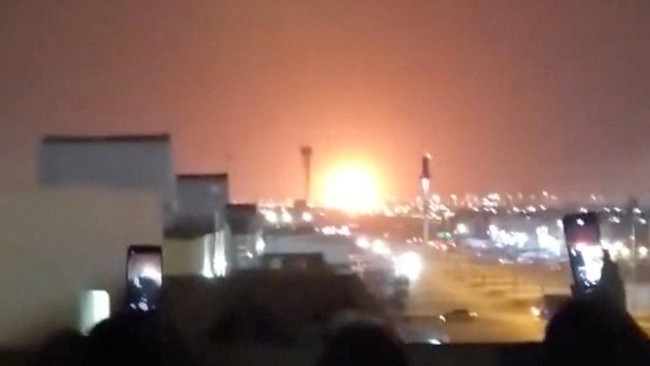
Not only that, 40 energy facilities in nine countries have been reported as severely damaged due to the conflict. This condition has immediately shaken the global market.
“The global economy is currently facing a very significant threat,” he stressed.
Oil prices have skyrocketed by more than 50% since the war broke out on 28 February. The situation is worsened by rising geopolitical tensions in the Middle East region.
US President Donald Trump has even issued a harsh ultimatum to Iran to reopen that vital shipping route within 48 hours.
If not complied with, Iran faces attacks on its power generation infrastructure. In response, Iran has threatened to completely close the Strait of Hormuz and attack energy facilities in the region if the ultimatum is carried out.
The IEA itself has proposed several measures that governments can take to reduce energy consumption. These measures include promoting remote work, carpooling, and lowering speed limits on motorways.
“I feel that the depth of this problem is not yet well understood by decision-makers around the world,” he concluded.