
Education Minister Backs Access to Education for Abandoned Children
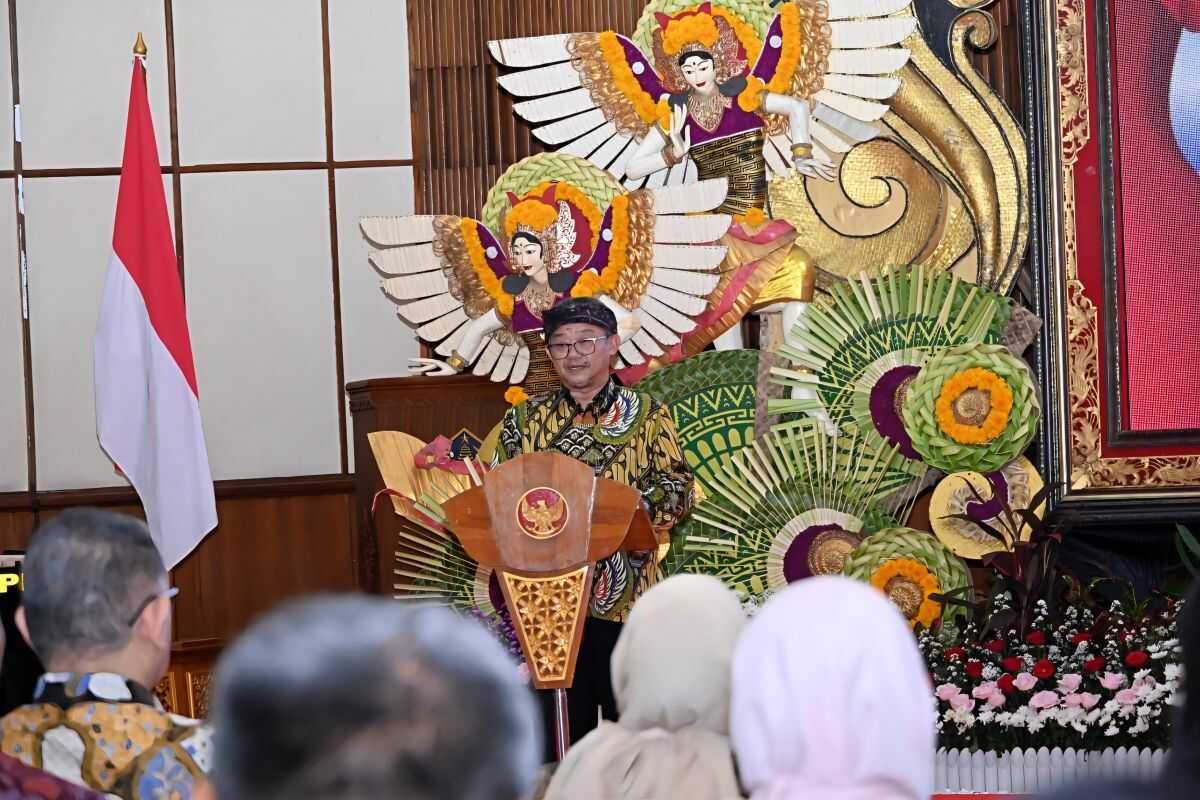
“This is very important in the context of fulfilling the rights of Indonesian children. Hopefully, similar efforts can be replicated or expanded at the national level, as such issues are not limited to Bali,” he said in a statement on Thursday.
Mu’ti said children in abandoned conditions are victims of social problems and that the state must ensure their right to education is upheld.
He noted that vulnerable children should receive special education services through non-formal pathways.
“They can access education through non-formal schemes, such as homeschooling or equivalency programs at Community Learning Activity Centers (PKBM), which we are continuing to expand,” he added.
Mu’ti reaffirmed his ministry’s commitment to guaranteeing educational access for all Indonesian children, regardless of their economic background or place of residence.
“We are committed to providing quality education services for all Indonesian children,” he said.
On the same occasion, Minister of Women’s Empowerment and Child Protection Arifah Fauzi praised cross-sector collaboration in addressing the issue.
“The prosecutor’s office has demonstrated empathy and concern in handling abandoned children. Hopefully, this can inspire other regions,” she said.
Meanwhile, Bali Governor Wayan Koster affirmed the provincial government’s commitment to following up on the cooperation with concrete measures.
“This should strengthen our collective awareness to address the issue of abandoned children in Bali so that the state is present in resolving their problems through joint policy schemes,” he said.
Related news: Family interaction key to children’s intelligence: deputy minister
Related news: Indonesia pushes equitable early childhood education in Papua
Translator: Hana, Kenzu