
Education Minister Affirms Additional Education Budget Is Not For the Free Nutritious Meals (MBG) Programme
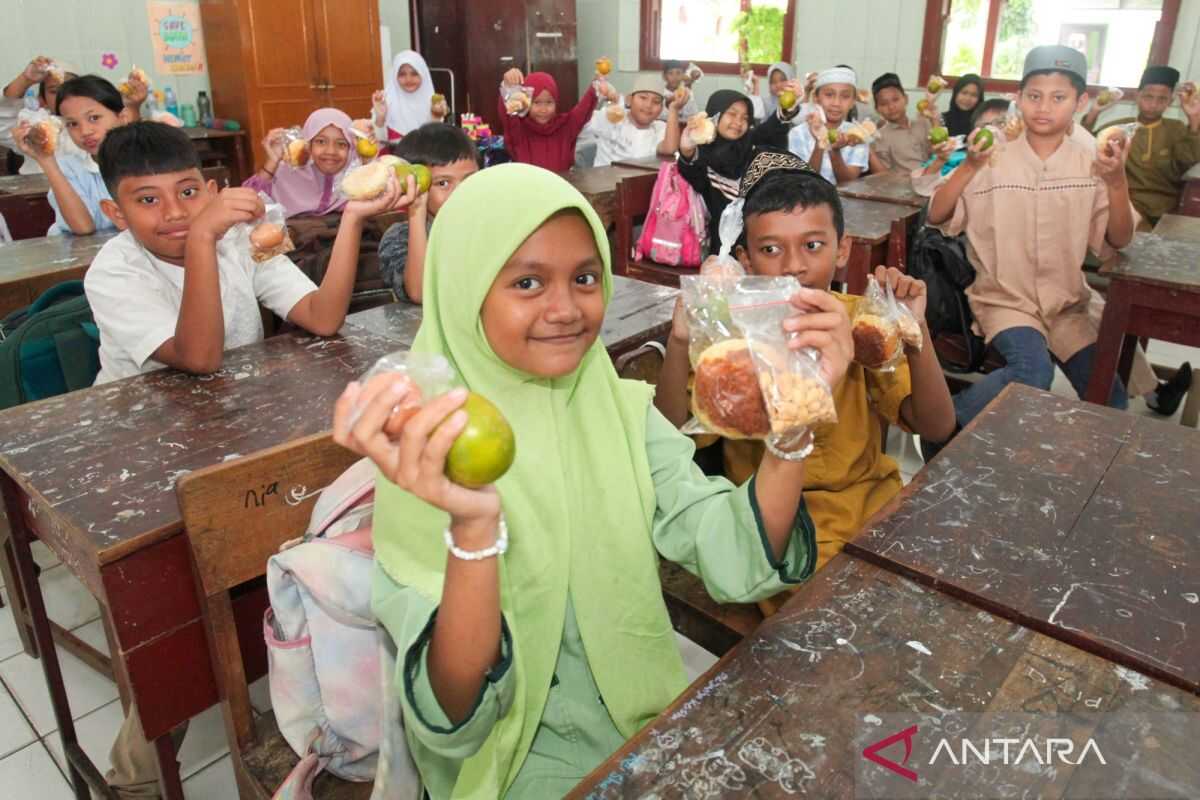
Jakarta (ANTARA) – The Minister of Education, Primary and Secondary Education (Mendikdasmen), Abdul Mu’ti, confirmed that the submission of the Additional Expenditure Budget (ABT) amounting to Rp181 trillion to the Indonesian House of Representatives (DPR) is not for the Free Nutritious Meals (MBG) Programme. ‘This ABT submission for Mendikdasmen is not for the Free Nutritious Meals (MBG) Programme. We have already briefed the DPR on ABT and are currently awaiting a decision,’ Mu’ti said in an official statement from the National Nutrition Agency (BGN) in Jakarta on Wednesday.
After the MBG Programme Coordinating Meeting in Semarang, Central Java, on Tuesday (3/3), Mu’ti explained that ABT represents an urgent additional allocation within the current year’s state budget (APBN). Nevertheless, the Mendikdasmen says MBG is an inseparable part of the Mendikdasmen programme, particularly relating to the Seven Great Habits of Indonesia, namely waking up early, worship, exercising, eating a healthy nutritious diet, studying diligently, participating in the community, and going to bed early.
MBG, according to him, is also part of the character education programme, which is a national priority programme comprising the inculcation of spiritual and social values, orderliness, discipline, responsibility, leadership, a culture of cleanliness, manners, and so on. ‘So, MBG has a very direct link with the Mendikdasmen programme,’ Mu’ti said.
He also noted, according to the latest report from the Secretariat General of Mendikdasmen, MBG recipients currently stand at 49,614,433 students, out of a total of 53,394,088 school students, or 93 per cent of all students in Indonesia, while 3,780,445 students have not yet received MBG. By contrast, 288,845 schools have already received MBG out of 434,812 educational units, or 66.5 per cent of schools in the country. ‘Thus, the achievements are very high,’ he said.
MBG has also provided enjoyable experiences from meals and communal dining and has increased students’ enthusiasm for learning. In addition, the range of menus is widely liked and perceived as beneficial by the students. ‘Therefore, this programme is expected to be sustainable and its quality improved,’ he added.
Regarding ABT, the first programme proposed by Mendikdasmen is funding for the revitalisation of 20,000 educational units, as many are in poor condition and quite worrying. The second programme concerns the digitalisation of education, whereby every educational unit will receive additional allocation for an Interactive Flat Panel (IFP) or Digital Interactive Panel (PID). The plan for 2026 is to distribute IFPs to more than 325,000 educational units.
Another programme already approved by the DPR is a scholarship programme for teachers who have not yet attained a Diploma 4 (D4) or a Bachelor’s degree (S1) amounting to Rp3 million per semester.