
Education Centred on Integration
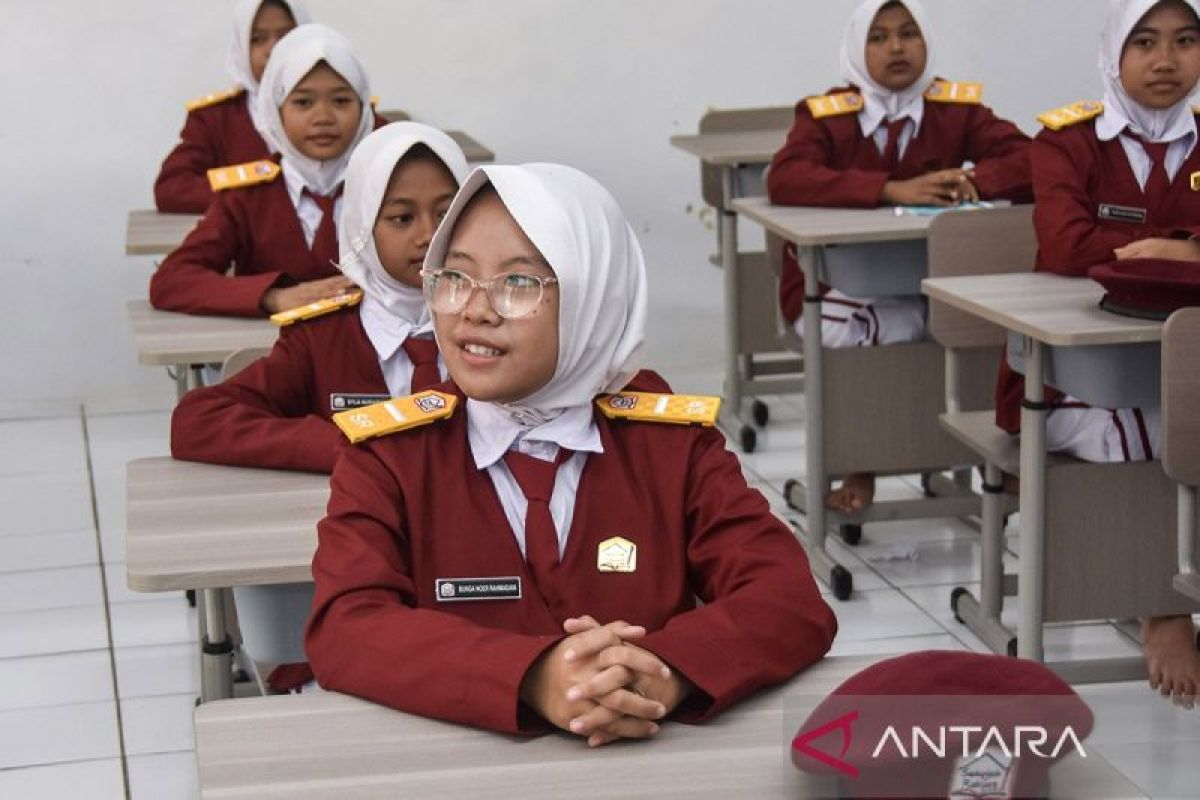
There is no single model that can be applied uniformly across all regions of Indonesia. Jakarta (ANTARA) - Education always oscillates between two poles: hope and reality. The hope that schools can prepare generations relevant to their time, and the reality that changes in the classroom often lag behind changes in the outside world. In the current context, the idea of educational transformation centred on integration—or integrated schools—becomes appealing not because of its novelty, but because it attempts to bridge these two poles to deliver systemic change without severing existing roots. As someone involved in the education ecosystem and witnessing field dynamics, the author sees that this policy direction is actually heading towards a crucial point: integrated education. This is not merely curriculum integration, but integration of learning experiences, competencies, and, no less importantly, integration of schools with the realities of life. In many global discourses, 21st-century education no longer focuses solely on mastering knowledge. Instead, it moves towards critical thinking skills, collaboration, creativity, and solving complex problems. However, the greatest challenge lies not in the concept itself, but in how that concept truly comes alive in the classroom. It is here that the idea of integrated schools can serve as a solution, as it attempts to address the classic problem of disconnection between what is taught and what is needed. Looking at practices in various developing educational models, including the implementation of STEM-based learning, consistent patterns can be found. Effective learning no longer stands in silos of academic disciplines but crosses boundaries, starting from real problems and leading to concrete solutions. In a study of STEM education implementation in the Pelita Harapan Group school network, for example, it is evident how transdisciplinary and project-based approaches connect subjects with students’ daily life contexts. What is appealing about this approach is not just the use of technology or innovative methods, but the mindset it builds. Students are no longer merely receiving information but are invited to investigate, design solutions, create prototypes, test, and refine their results. This process reflects a fundamental shift in education from knowing to doing, from memorisation to understanding, from theory to practice.