
Eddy Soeparno Urges Government to Anticipate Strait of Hormuz Turmoil Impact
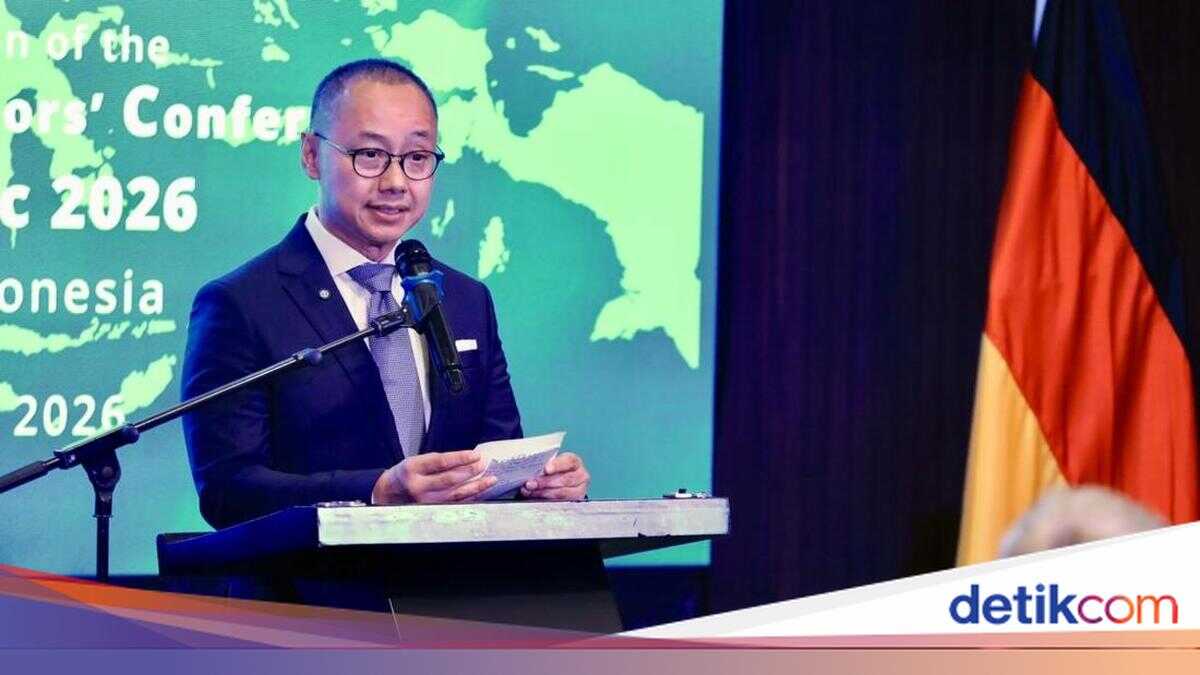
Eddy Soeparno, Vice Chairman of the People’s Consultative Assembly (MPR) from the National Mandate Party (PAN) faction, has highlighted escalating tensions in the Strait of Hormuz following the intensification of conflict between the United States, Iran, and Israel. He cautioned that this situation risks disrupting global energy supplies and triggering crude oil price increases, which could ultimately impact Indonesia as an oil-importing nation.
Soeparno argues that the government must prepare anticipatory measures, given that the Strait of Hormuz is one of the world’s most strategically important energy shipping routes. According to him, when distribution risks increase, markets typically respond with price increases.
“Turmoil in the Strait of Hormuz is not merely a regional geopolitical issue but also has direct implications for global crude oil prices. If oil prices spike sharply, pressure on our state budget will intensify, particularly because of high import values and energy compensation,” Soeparno stated in a written statement on Monday (2 March 2026).
He stressed that import dependence makes Indonesia vulnerable to crude oil price fluctuations. The impact extends beyond fiscal aspects and could potentially reduce purchasing power and increase production costs across various sectors.
“Currently, dependence on fossil energy from imported sources makes our fiscal space easily pressured when global crises occur. For this reason, I have consistently emphasised on various occasions that energy security must become a strategic agenda equivalent to national security,” he asserted.
Furthermore, Soeparno noted that strengthening energy security aligns with President Prabowo Subianto’s commitment to accelerate the development of new and renewable energy (NRE) and maximise domestic energy potential.
“President Prabowo has emphasised the importance of accelerating new and renewable energy development and maximising domestic energy potential. In the context of the current global crisis, this policy direction has proven increasingly relevant,” he said.
Soeparno believes Indonesia possesses considerable NRE potential including geothermal, solar, hydroelectric, and bioenergy sources that need to be utilised more optimally. He encourages accelerated investment and regulatory improvements to reduce dependence on oil imports.
“Every time conflict occurs in the Middle East, we are always haunted by concerns about oil prices. This must become momentum to accelerate energy transformation. Energy security is part of national security,” he emphasised.
For the short term, Soeparno also requested that the government prepare mitigation measures to ensure that global turmoil does not directly strain the state budget and citizens, including through strengthening national energy reserves and synchronising fiscal-energy policies.
“The government must ensure that global turmoil does not directly burden the public. Fiscal and energy policies must be coordinated so that external pressures can be dampened,” he concluded.