
Eddy Soeparno Supports Weekly Work From Home Amid Iran-Israel Conflict
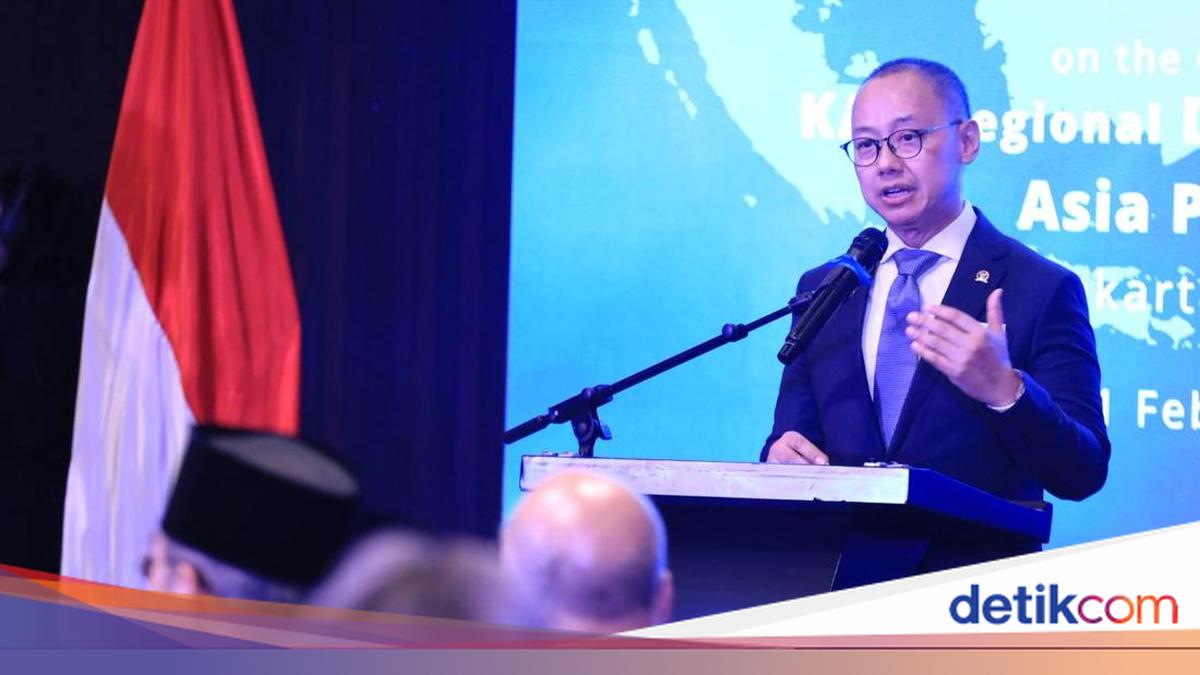
Deputy Chairman of the MPR RI from the PAN faction, Eddy Soeparno, supports the planned Work From Home (WFH) policy for one day per week. This policy is seen as a quick step to respond to the impact of the global conflict on energy.
Eddy states that WFH can serve as a temporary solution to curb fuel consumption amid global uncertainties due to the Iran-Israel-US war. However, he emphasises that this step must be followed by long-term energy policy improvements.
According to him, the surge in global oil prices has the potential to increase the burden of energy subsidies and squeeze the state’s fiscal space. Therefore, subsidy reform becomes an urgent matter that cannot be delayed.
“The surge in global oil prices will impact the increased burden of energy subsidies and narrow the state’s fiscal space. For that reason, we need to hurry to carry out energy subsidy improvements so that they are targeted at those who truly need them,” said Eddy in his statement on Wednesday (25/3/2026).
Eddy also stresses that improving energy subsidies is a way to bring justice to the society that most needs it while reducing the risk of misallocation when subsidies are instead enjoyed by the affluent.
He assesses that so far, the distribution of energy subsidies has not been on target. He mentions that most users of subsidised fuel and LPG actually come from the affluent class who are not entitled to receive them.
He asserts that organising energy subsidy policies must be directed towards strengthening national energy resilience, not only from the supply side but also fair and efficient management.
“Organising energy subsidy policies must be directed towards strengthening national energy resilience. I have conveyed on various occasions that energy resilience is not only about the availability and reliability of supply, but also about the state’s effectiveness in managing energy resources fairly, efficiently, and sustainably,” he emphasised.
He also encourages the redirection of subsidy budgets that are not on target to more productive sectors, including the development of new renewable energy to maintain fiscal sustainability and energy independence.
“Energy subsidies must be an instrument that is on target and can very much be redirected for the development of renewable energy to ensure national energy reliability in the future. This is in line with President Prabowo’s vision to realise energy resilience,” he concluded.