
Eddy Soeparno States Formation of Climate Change Law is Urgent
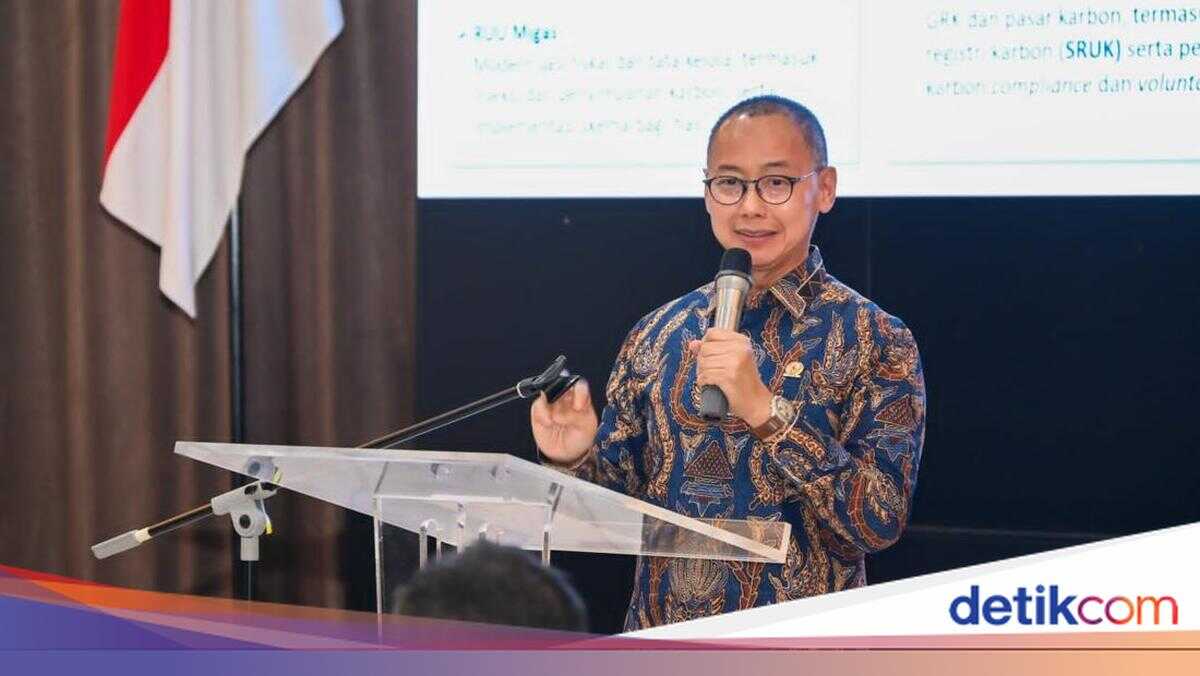
Deputy Chair of the Indonesian People’s Consultative Assembly (MPR) from the National Mandate Party (PAN) faction, Eddy Soeparno, has urged the formation of a Climate Change Management Law to regulate actions addressing the intensifying climate crisis affecting the world, including Indonesia.
Soeparno made these remarks during a speech at the “Climate Change Bill Dialogue” organised by the University of Indonesia’s Research Centre for Climate Change in Depok. The dialogue was attended by university professors and environmental experts from the University of Indonesia, members of the Indonesian Parliament (DPR), representatives from the Ministry of Environment, environmental activists, and former Environment Minister Rahmat Witoelar, accompanied by former Minister of Settlement and Regional Development Erna Witoelar.
“The use of fossil fuels for over 200 years has caused global warming as a consequence of the climate crisis we currently face. It is unimaginable that the highest air temperatures have been recorded in East Nusa Tenggara (38 degrees Celsius), Semarang (36 degrees), and even South Tangerang (34.5 degrees). Rising air pollution has also crowned Jakarta as one of the cities with the worst Air Quality Index, even globally,” Soeparno stated.
“We also continue to feel the sorrow from hydrometeorological disasters in Sumatra and West Java that have claimed significant lives. To prevent greater ecological disasters in the future, we need strong legal protection to address the climate crisis and protect society from its negative impacts,” he added.
Soeparno expressed concern about rising carbon emissions during the ongoing energy transition phase. He noted that over the past three years, society has witnessed unusual global phenomena, where the development of renewable energy sources is accompanied by growth in fossil fuel-based energy.
“Currently, we are witnessing a disorderly energy transition where fossil fuel production and consumption are growing, yet the development of renewable energy and electric vehicle sales are also growing significantly,” he said.
“This shows that Indonesia is implementing its commitment to decarbonise its economy, yet still requires fossil fuels as baseload power for electricity generation, raw materials for the industrial sector, and fuel for the transportation sector,” he continued.
He explained that managing carbon emissions and implementing climate crisis adaptation and mitigation requires legal instruments regulating emission reductions, crisis prevention through mitigation, and adaptation, whilst providing protection to society, especially marginalised communities affected by the changing climate patterns felt today.
“We need strong legislation to reduce carbon emissions as the primary contributor to the climate crisis, and to regulate mitigation and adaptation actions against a crisis whose impacts are highly disruptive to people’s lives. Besides protecting our vulnerable communities from the climate crisis, we also need reward and punishment mechanisms for those who preserve or pollute the environment,” he continued.
“I am grateful that the Climate Change Management Bill has been included in the 2026 National Priority Legislative Programme, and I hope its discussion can begin in the third or fourth quarter this year, so that Indonesia has strong and credible legal rules as part of our commitment to address the impacts of the climate crisis on air pollution, temperature increase, and other ecological degradation,” he explained.
He noted that the formation of Climate Change Management legislation aligns with President Prabowo’s vision to build Indonesia’s economy based on sustainable platforms, which he believes can generate quality economic growth in the future.
“The presence of a Climate Change Management Law will provide significant credibility for the government both domestically and internationally, as it demonstrates special attention to climate action,” he concluded.