
EcoNusa facilitates Suga-Kawaf indigenous community in mapping independent territory
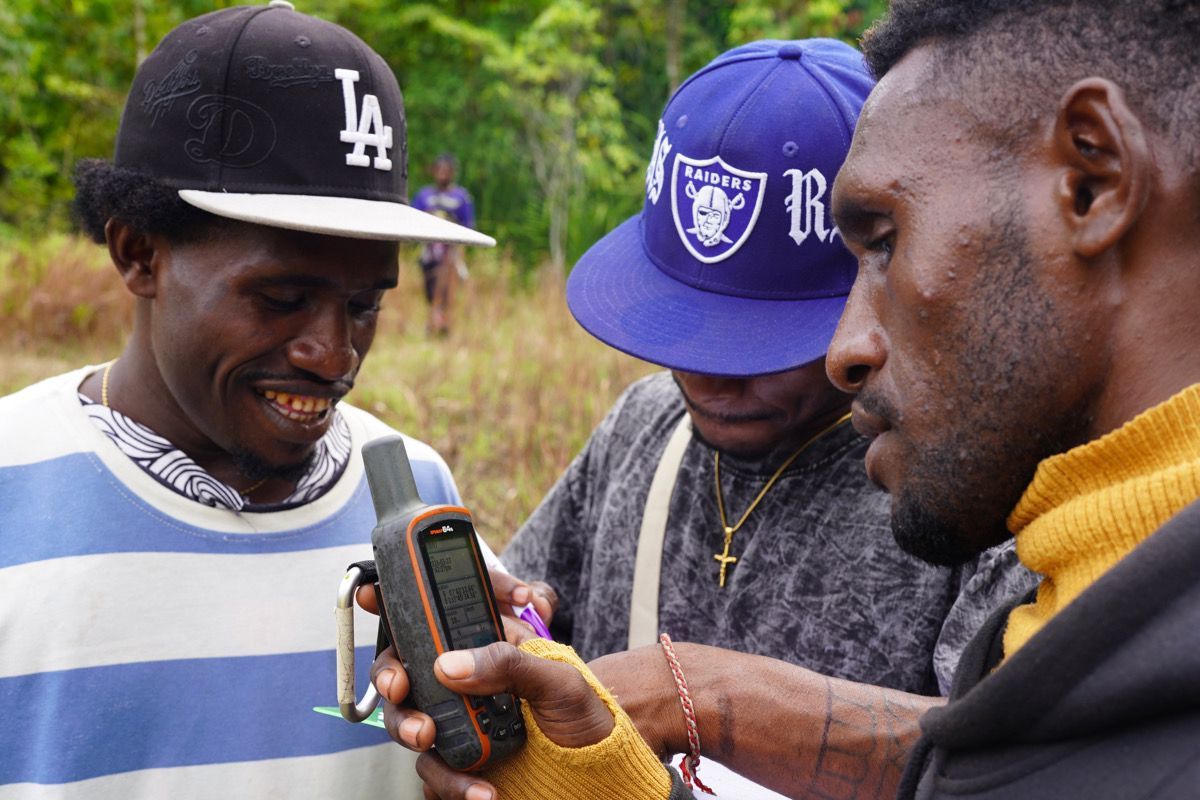
Jakarta (ANTARA) - The indigenous Irarutu people in Suga and Kawaf villages, Teluk Bintuni Regency, West Papua, have begun independently mapping their customary territories through training on GPS and the Avenza application facilitated by the EcoNusa Foundation on 26–27 March 2026.
One participant, Mama Otto Pina Masumbauw (58), the only woman attending the training despite her daily work harvesting sago, welcomed the activity.
“I think this is important, that’s why I didn’t go to harvest sago today,” said Mama Otto in a statement received in Teluk Bintuni on Tuesday.
During the training, participants were divided into several groups to conduct participatory mapping. The youth practised taking coordinate points in the field, while the customary elders gathered sociocultural data, from the history of the area’s origins, customary leadership structures, to the identification of important sites.
The Suga-Kawaf area is located in a strategic zone with the vast and valuable Teluk Bintuni mangrove ecosystem, yet it faces threats from logging activities and pressures from surrounding areas.
Head of EcoNusa’s Manokwari Regional Office, Charles Sroyer, stated that the assistance aims to help the community obtain official recognition of their customary territories.
“We are here to help the fathers and mothers so that their customary territories can be recognised by the state. But this process requires support and active involvement from the community,” he said.
Secretary II of the Teluk Bintuni Customary Law Community Committee (PMHA), Lewi Widodo Budi Utomo, is optimistic that participatory mapping in Suga and Kawaf can be completed soon as community understanding increases.
“The community’s understanding is getting stronger. We hope that if the process goes well, recognition can be issued soon,” he said.
For the Suga and Kawaf communities, mapping customary territories is seen as an important step to preserve forests, food sources, and ancestral heritage to remain sustainable for future generations.