
Economists optimistic that 5.5 percent economic growth target for first quarter will be achieved
Jakarta (ANTARA) - Economist from Paramadina University, Wijayanto Samirin, is optimistic that national economic growth in the first quarter of 2026 will reach 5.5 percent, as targeted by the government.
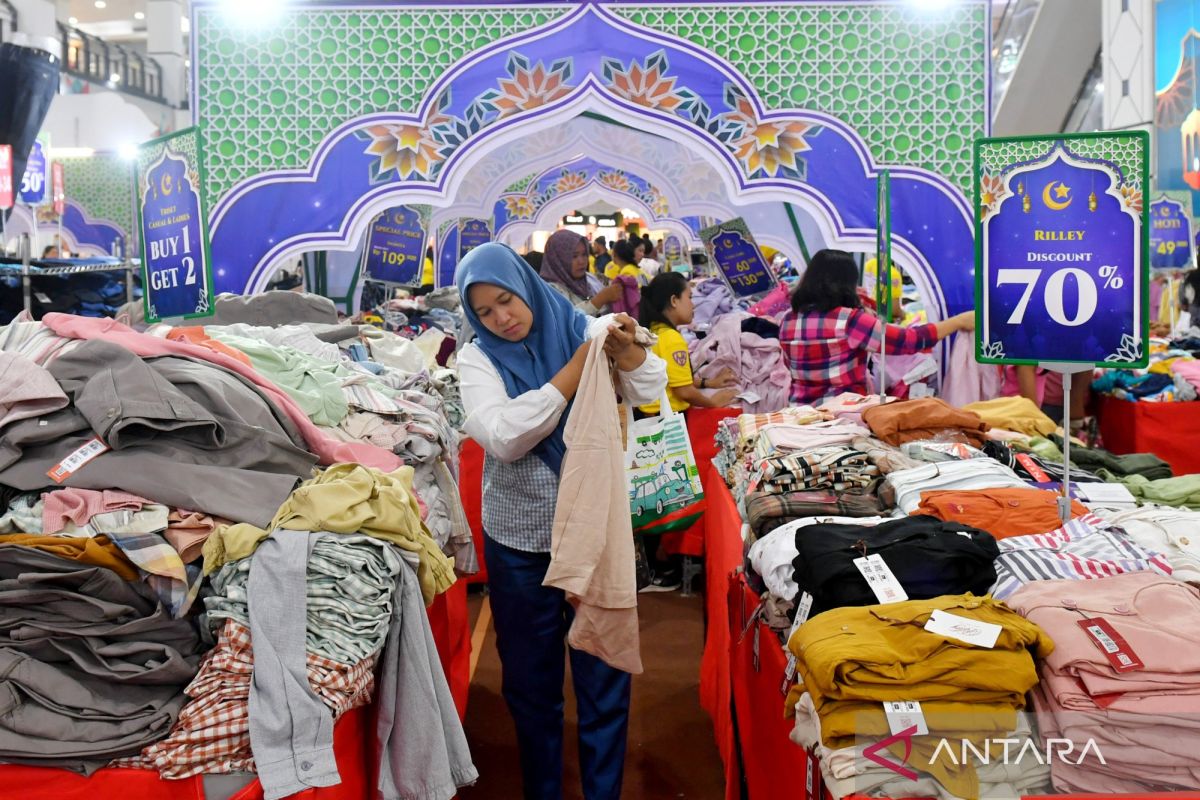
According to Wijayanto, economic performance in the first quarter will be boosted by several factors, primarily seasonal momentum and accelerated government spending.
“The 5.5 percent growth target for the first quarter of 2026 will be achieved, particularly due to the effects of Christmas and New Year plus Eid, and government spending that has been ramped up since the beginning of the year,” said Wijayanto when contacted by ANTARA in Jakarta on Wednesday.
Nevertheless, he highlighted several economic challenges that could potentially hinder growth performance in the remaining quarters of the year, including the risk of an energy crisis, high inflation, and consumer purchasing power that has not fully improved.
To mitigate the negative risks from these challenges, Wijayanto suggested that the government continue to disburse fuel subsidies (BBM) to keep inflation under control.
In parallel, a work-from-home (WFH) policy for one working day should be implemented to reduce BBM consumption.
“However, regulations need to be prepared, particularly to determine which sectors will not implement WFH, especially the manufacturing sector,” he said.
Furthermore, he encouraged the optimisation of government spending on programmes that provide a boost to economic growth. Wijayanto believes that efficiency in the budget for programmes like the Free Nutritious Meals (MBG) could serve as funding for other programmes that require it.
The government targets national economic growth in the first quarter of 2026 to expand in the range of 5.5 percent to 5.6 percent (year-on-year). This target is driven by accelerated state spending, fiscal stimulus, and strengthening of consumer purchasing power, particularly amid the Ramadan and Eid al-Fitr period.
Finance Minister Purbaya Yudhi Sadewa also assessed that Indonesia remains safe from an energy emergency situation amid the escalation of conflict between the US-Israel and Iran.
The state treasurer also remains optimistic about economic prospects after Eid al-Fitr.
The national economy, he said, could slow down if geopolitical tensions continue to escalate. However, Purbaya stated that efforts will continue to strengthen domestic demand so that the domestic economy remains stable.
The steps to be taken include support for the private sector, maintaining consumer purchasing power, managing subsidised BBM prices from the impact of global oil prices, and encouraging government spending to be absorbed on time.
The government has also finalised the WFH policy. The final decision on this policy will be announced shortly.