
Economist Views Investment as Vital for Creating Formal Employment
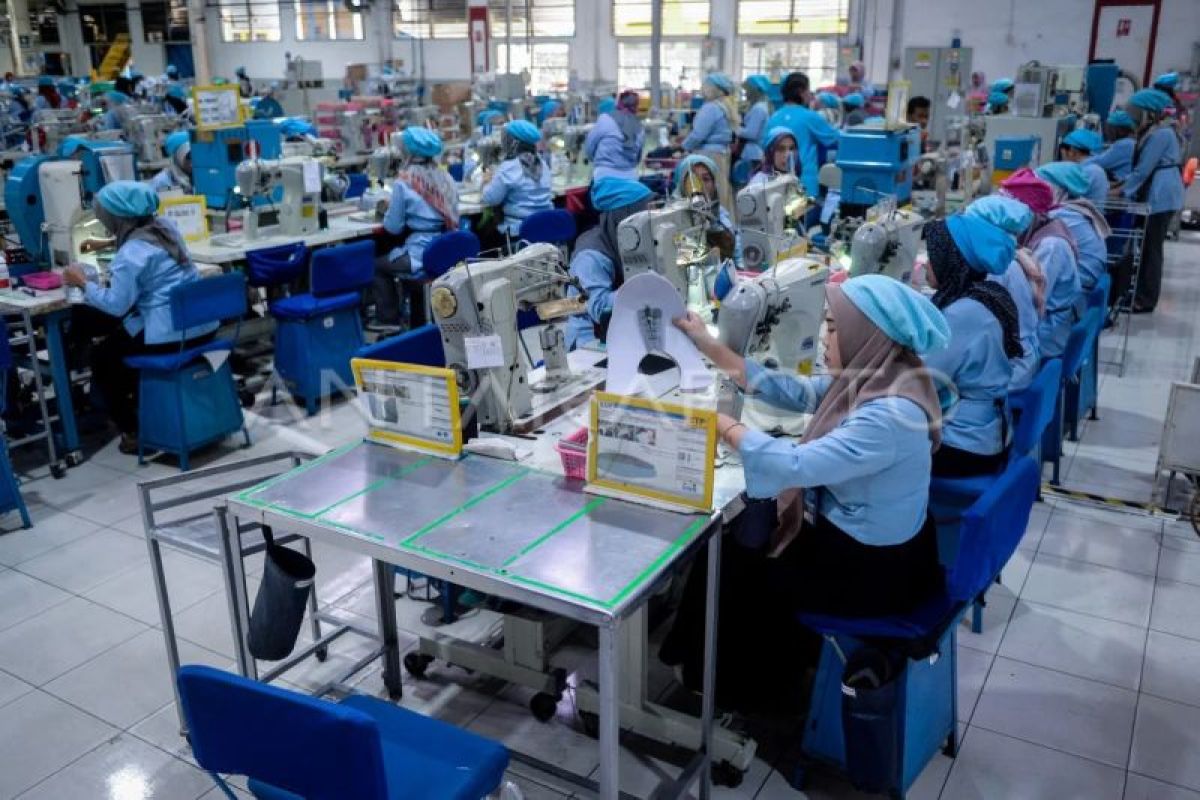
Jakarta - Executive Director of the Center of Reform on Economics (CORE) Indonesia, Mohammad Faisal, considers investment to be one of the vital keys in creating formal employment in Indonesia. This follows the latest data from the Central Statistics Agency (BPS), which records that the number of informal workers still dominates the portion of Indonesia’s working population or those not unemployed. “If we talk about how to create formal employment, it is inseparable from investment, both government investment and private investment,” Faisal said when contacted in Jakarta on Wednesday. “Government investment is inseparable from its connection to fiscal policies that encourage sectors, as well as incentives, incentive systems, and disincentives that encourage the private sector to invest more substantially and absorb more unemployment or the workforce,” he added. Therefore, Faisal believes the government needs to look at opportunities in superior and relevant industrial sectors in line with changing times, so that they can formally absorb young workers. With formal worker status, the national young workforce is expected to have rights, including better protection. “The manufacturing industry also needs to be examined in terms of the work climate or business climate that can drive increases in both the quantity and quality of life for labourers,” Faisal stated. “From the demand side of the workforce, this also means that in addition to quantity, there must be adaptation and transformation in the quality of graduates from schools, including higher education, to increasingly adapt to industry needs and the needs of the times,” Faisal said. This, he continued, includes shifts in technological transformation, digitalisation, to green industries that require competent human resources (HR). “The capacity and capability of the workforce must also follow economic needs, industry needs, business actors’ needs, and investment. Thus, there is truly a matching between supply and demand in the labour market,” he said.