
Economist: Single-channel export policy could bolster government revenue
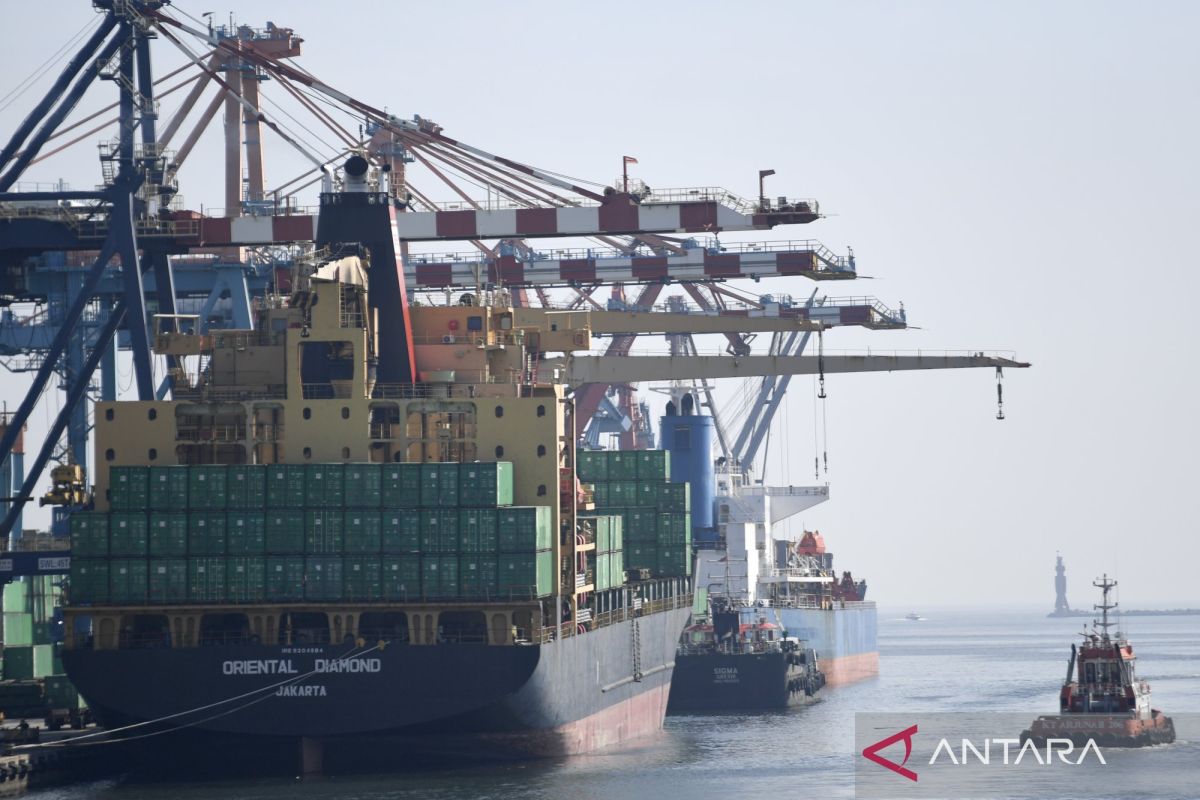
Trimegah Securities Indonesia economist Fakhrul Fulvian said President Prabowo Subianto’s policy mandating strategic commodity exports through a single state-owned enterprise (SOE), PT Danantara Sumberdaya Indonesia (DSI), could strengthen government revenue.
“This decision aims to improve natural resource export governance and boost government revenue through enhanced monitoring of misinvoicing in domestic commodity trade,” Fakhrul said on Sunday.
Under Government Regulation (PP) on Natural Resource Commodity Export Governance, the government requires key strategic commodities to be sold exclusively through DSI as the sole exporter.
Commodities covered include palm oil, coal, and iron alloys. The centralised policy aims to ensure trade processes are more transparent, orderly, and accountable.
According to Fakhrul, the policy’s primary objective should be understood as the government’s effort to improve export governance, particularly misinvoicing and under-invoicing practices that could reduce revenue from strategic sectors.
In his view, strengthening the narrative and communication around the policy is crucial for market participants to fully grasp the government’s intentions.
“So the issue is invoicing, misinvoicing, but it should be communicated that this is done to increase national revenue. But the message hasn’t reached the public yet, and it should also be explained that those already compliant and not engaging in invoicing issues won’t see any changes,” he said.
He believes the government’s policy should be seen as a tool to create fairer and more transparent trade practices, especially for businesses that have consistently complied with regulations.
Compliant businesses need not worry, as the policy targets closing loopholes for misconduct, not imposing additional burdens on rule-abiding companies.
Fakhrul also stressed that clear government communication on policy implementation mechanisms is vital for building positive market perceptions and maintaining investor confidence.
Open dialogue with businesses can help ensure the policy’s objectives are correctly understood and mitigate on-ground misunderstandings.
“It’s essential to meet and discuss with them, clarifying what’s correct and what’s not. This will improve perceptions,” Fakhrul said.
Furthermore, he noted that if implemented and communicated clearly, the single-channel SDA export policy could strengthen national commodity trade governance and boost government revenue amid fiscal strengthening needs.