
Economist says rupiah stabilisation requires fiscal support
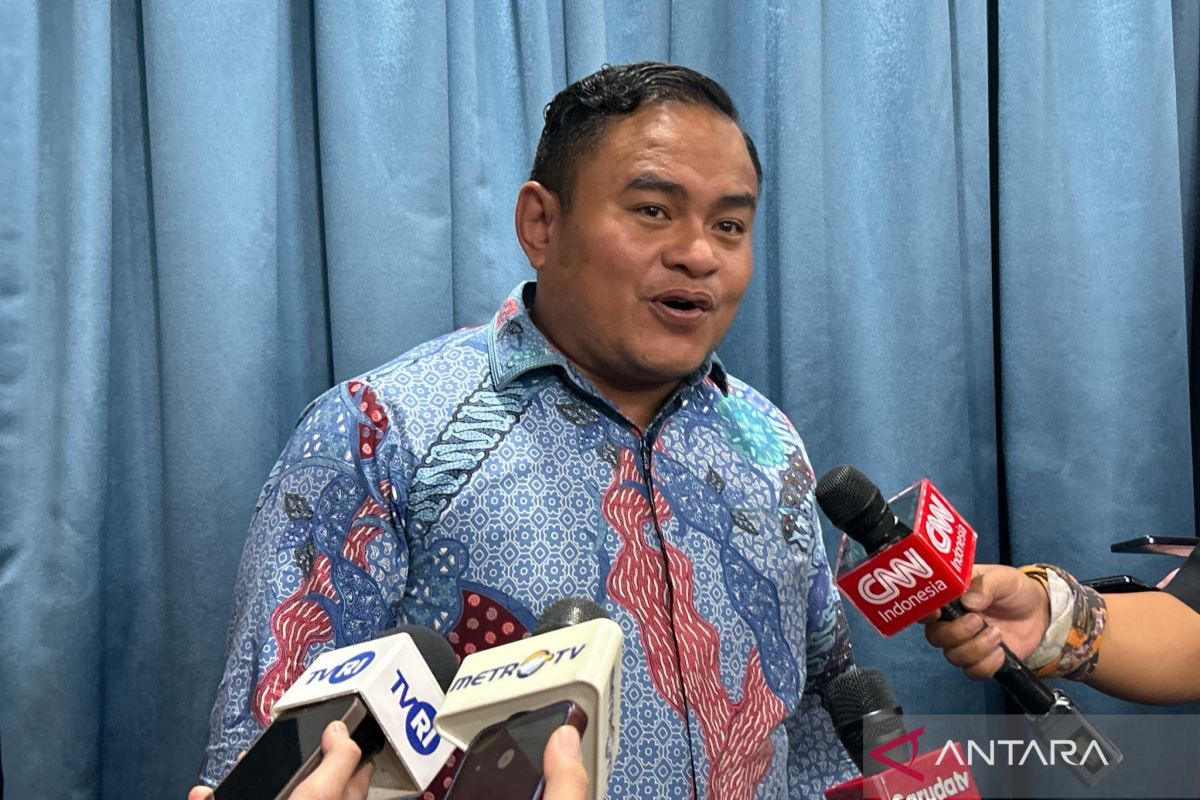
Trimegah Securities Indonesia Chief Economist Fakhrul Fulvian stated that current rupiah stabilisation efforts cannot rely solely on monetary policy and require fiscal support to maintain market confidence. ‘Bank Indonesia has clearly signalled to the market that rupiah stability is a priority. Raising interest rates is the right and necessary step. However, the market will now look for follow-up actions on the fiscal side and financial market management. BI cannot work alone,’ Fakhrul said. According to Fakhrul, the government and Ministry of Finance have demonstrated the ability to accelerate economic growth in recent times. Various development programmes, accelerated spending, industrialisation, and efforts to expand national capacity have successfully maintained growth momentum despite a challenging global environment. However, he also cautioned that managing the economy is like driving a car, needing to press the accelerator in some conditions and slow down when navigating sharp turns. In this context, pressure on the rupiah, changing global liquidity conditions, and rising risk premiums in international financial markets necessitate more cautious policy adjustments. He noted that Indonesia’s flattening yield curve is a market concern, as it may send incorrect signals about risk pricing in the country. Indonesian government bonds with one-year and ten-year maturities are both around 6.7%. Fakhrul said this is unusual, prompting markets to question the price discovery mechanism at play. This has led investors to perceive that Indonesia’s risk premium is not fully reflected in long-term bond markets, putting pressure on the rupiah. Fakhrul added that improving the yield curve structure is needed to strengthen long-term stability and ease pressure on the rupiah. ‘We are not talking about uncontrolled yield increases. What is needed is normalization. A healthy yield curve should transparently reflect risk, inflation expectations, and funding needs. Market credibility cannot be bought by continuously suppressing yields,’ Fakhrul said. Fakhrul acknowledged the government’s legitimate interest in keeping funding costs low, especially given large infrastructure financing needs. However, with rupiah stabilisation as the top priority, a trade-off must be accepted. On the other hand, he noted that room for aggressive growth promotion remains once stability is restored. ‘This is not about choosing between growth or stability. We need the right sequence. Stability must be strengthened first. Then the government will have much more room to boost growth, lower funding costs, and accelerate development,’ Fakhrul said. Therefore, Fakhrul said the next phase of Indonesia’s economic policy is not just monetary tightening, but better coordination between the government and Bank Indonesia.