
Economist: Rupiah Movements Accompanied by Uncertainty over Middle East Conflict
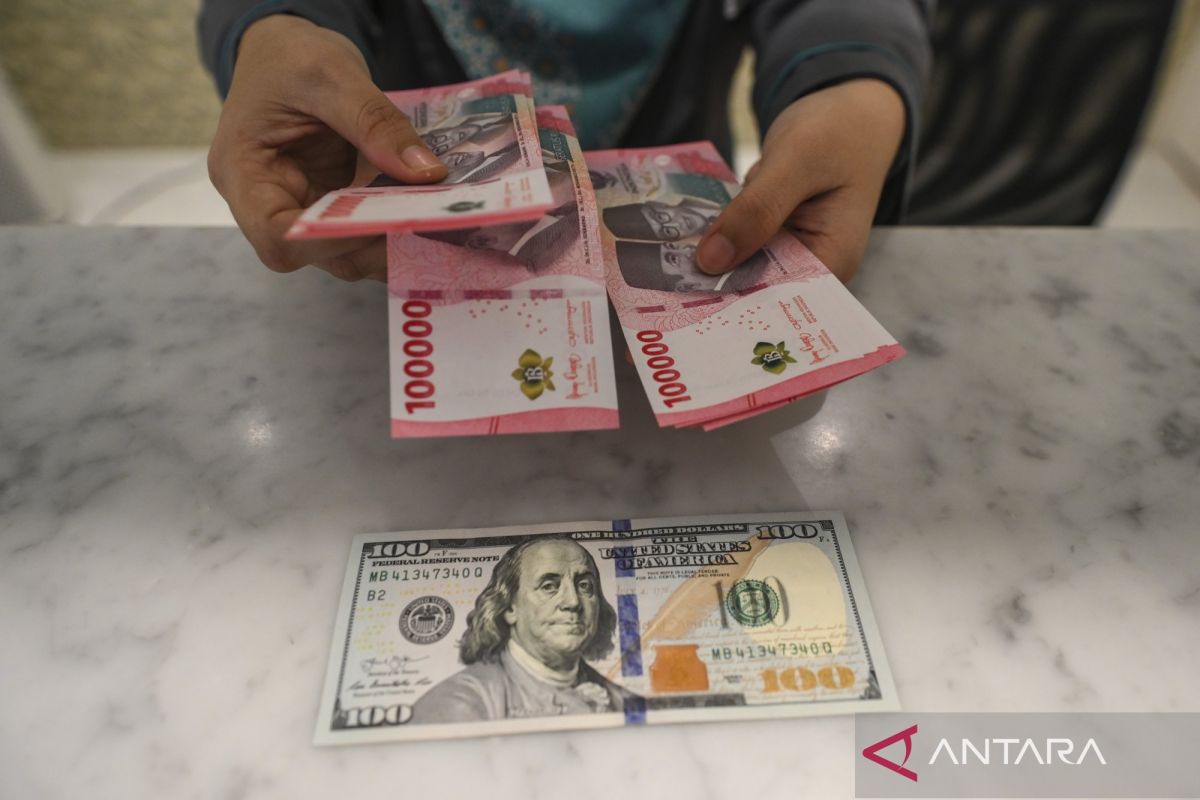
Despite optimism regarding the potential resolution of the Middle East conflict, uncertainty remains high. Jakarta (ANTARA) - Josua Pardede, Chief Economist at Permata Bank, stated that the rupiah’s exchange rate movements are accompanied by uncertainty over the Middle East (Timteng) conflict. “Although there is optimism towards the potential resolution of the Middle East conflict, uncertainty is still considered high,” he told ANTARA in Jakarta on Thursday. The rupiah exchange rate on Thursday morning strengthened by 2 points or 0.01 percent to Rp17,141 per US dollar from the previous close at Rp17,143 per US dollar. “For today’s trading, the rupiah is projected to move in the range of Rp17,075–Rp17,200 per US dollar,” Josua revealed. Reports indicate that the US Navy has intercepted eight oil tankers entering or leaving Iranian ports since the blockade began earlier this week, leading market players to adopt a wait-and-see stance while awaiting clarity on the direction of peace. Currently, there has been progress in diplomatic processes between the US and Iran regarding conflict resolution, while oil prices remain below US$100 per barrel. Financial markets in general have eased the risk premium that emerged following the conflict escalation at the end of February 2026, as both sides head towards the second round of negotiations. US President Donald Trump stated that the war is very close to an end and indicated that Iran is beginning to open up to a peace agreement, with further talks expected to resume soon. Looking at the global monetary policy side, Josua continued, the Fed is generally expected to maintain its policy interest rate, the Fed Funds Rate (FFR), this month and possibly throughout 2026. Meanwhile, Chicago Federal Reserve President Austan Goolsbee said that interest rate cuts could be delayed until the earliest in 2027 if energy prices remain high. As for domestic sentiment, it comes from the latest S&P Global Ratings report highlighting the vulnerability of Southeast Asian economies. S&P assesses that Indonesia’s debt rating is among the most at risk if the Middle East conflict persists long-term. On the other hand, the risk of accelerated domestic inflation is seen as potentially driving up market interest rates, which in turn would increase government borrowing costs.