
Economist: Policies Must Address Basic Needs Amid Hormuz Crisis
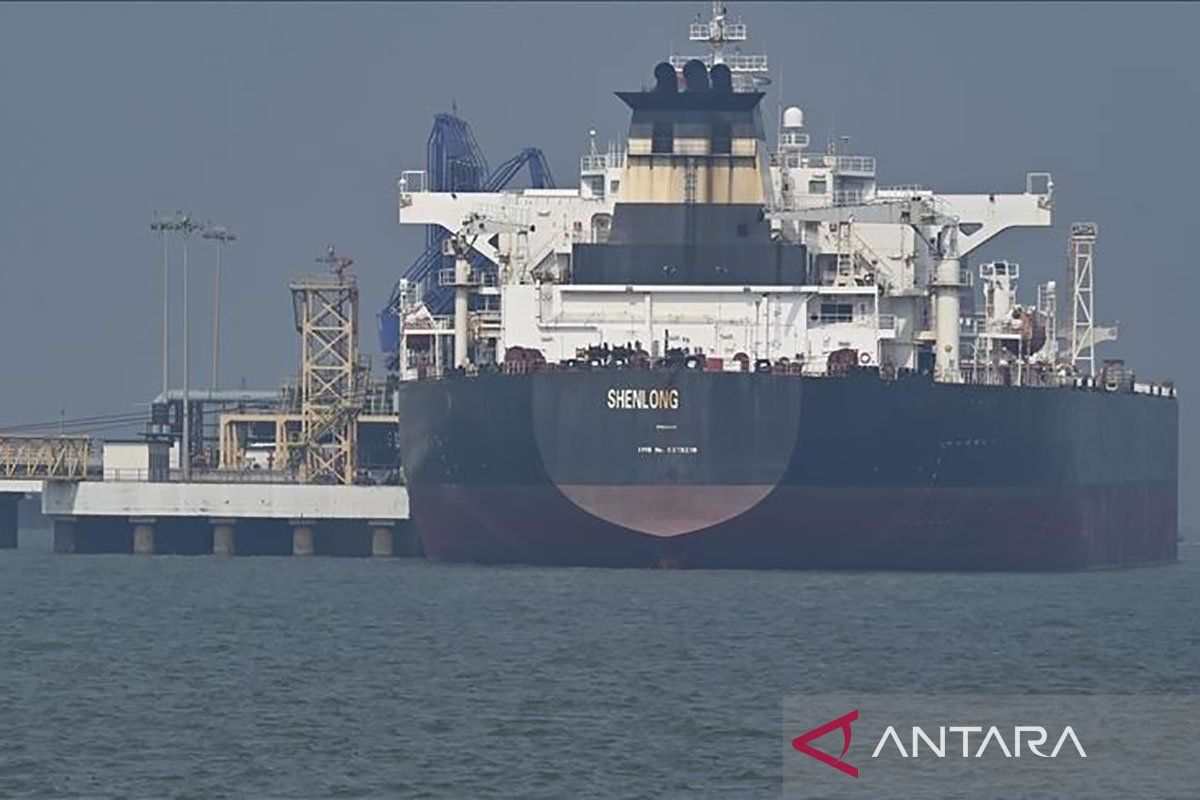
Jakarta (ANTARA) - Economist from Universitas Gadjah Mada (UGM) Eddy Junarsin calls on the government to formulate policies that directly address the basic needs of society amid global uncertainties arising from the Strait of Hormuz crisis. According to him, the government also needs to provide the public with an understanding of the current global situation and its impact on the domestic economy. “For example, policies should be directed towards survival and intermediate ranges, such as the availability of food, housing, energy, and schooling. Jobs that are cut need to be supported by the government through temporary unemployment assistance and job distribution in areas or industries that are feasible,” he said in Jakarta on Tuesday. Eddy assesses that Indonesia is currently facing several risks due to the Strait of Hormuz crisis, such as rising fuel oil (BBM) prices and other commodities due to disruptions in global distribution routes. “As a result, inflation may increase, economic growth is at risk of stagnating, unemployment rates will not improve, the rupiah will depreciate, and the trade balance surplus will shrink,” Eddy stated. On the other hand, he also emphasises that society should not just wait for conditions to improve but must adapt to the existing situation. “For society itself, it is necessary to realise that this is an extraordinary situation that requires unity and collaboration. Think about and try various job or business ideas, so one must be dynamic and not static. Also, focus on solutions to overcome problems. Reduce debates or conflicts that are irrelevant or personal in nature,” he said.