
Economist Labels Reciprocal Tariff Agreement Between Indonesia and United States as Form of Economic Colonialism
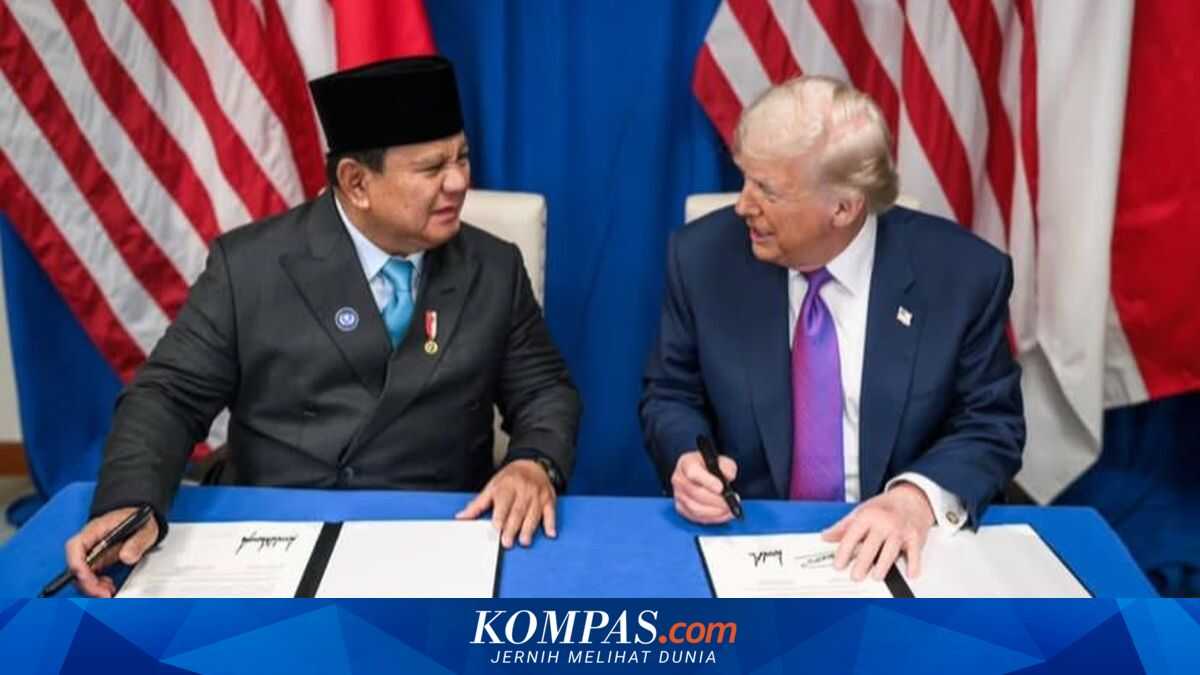
JAKARTA — Andry Satrio Nugroho, head of the Industrial, Trade, and Investment Centre at the Institute for Development of Economics and Finance (Indef), has characterised the signing of the Reciprocal Tariff Agreement (RTA) between Indonesia and the United States as reflective of colonialism practices.
According to Andry, this agreement has the potential to damage national interests and domestic industry.
“This is a practice that I can say and emphasise is colonialism being conducted by the United States,” Andry stated during an online discussion entitled “Pros and Cons of the US-Indonesia Trade Agreement” held by Indef on Friday (27 February 2026).
According to Andry, the agreement contains various obligations that Indonesia must fulfil within strict timeframes, ranging from 90 days to two years after the exchange of notification.
He believes these obligations cannot be applied selectively to only one country, as regulatory changes will apply comprehensively.
This condition has the potential to reduce government flexibility in protecting national industry through non-tariff policies such as import quotas, import licensing, and other technical restrictions.
Additionally, during a 6 to 12-month implementation period, Indonesia is also obligated to open wider market access for horticultural products and live animals from the United States, including cattle and other livestock.
According to Andry, this commitment has the potential to increase pressure on the domestic agriculture and livestock sectors.
He also highlighted provisions concerning export proceeds (DHE), which are suspected to grant leniency regarding the obligation to deposit foreign exchange from natural resource exports.
This policy is considered to have the potential to affect the stability of national foreign exchange receipts if not managed carefully.
In the energy sector, Indonesia is also said to have made commitments regarding imports of certain energy products, including bioethanol and other fuel products.
Andry cautioned that shifting energy import sources from other countries to the United States is not a simple process and has the potential to trigger diplomatic and economic impacts.
For example, he alluded to the possibility of retaliation from long-standing trade partners if import contracts are unilaterally shifted.
The impact is not merely limited to the trade sector but also has the potential to affect other bilateral cooperation that is already underway.