
Economist: Indonesia-Japan Energy Cooperation Represents a Rational Step
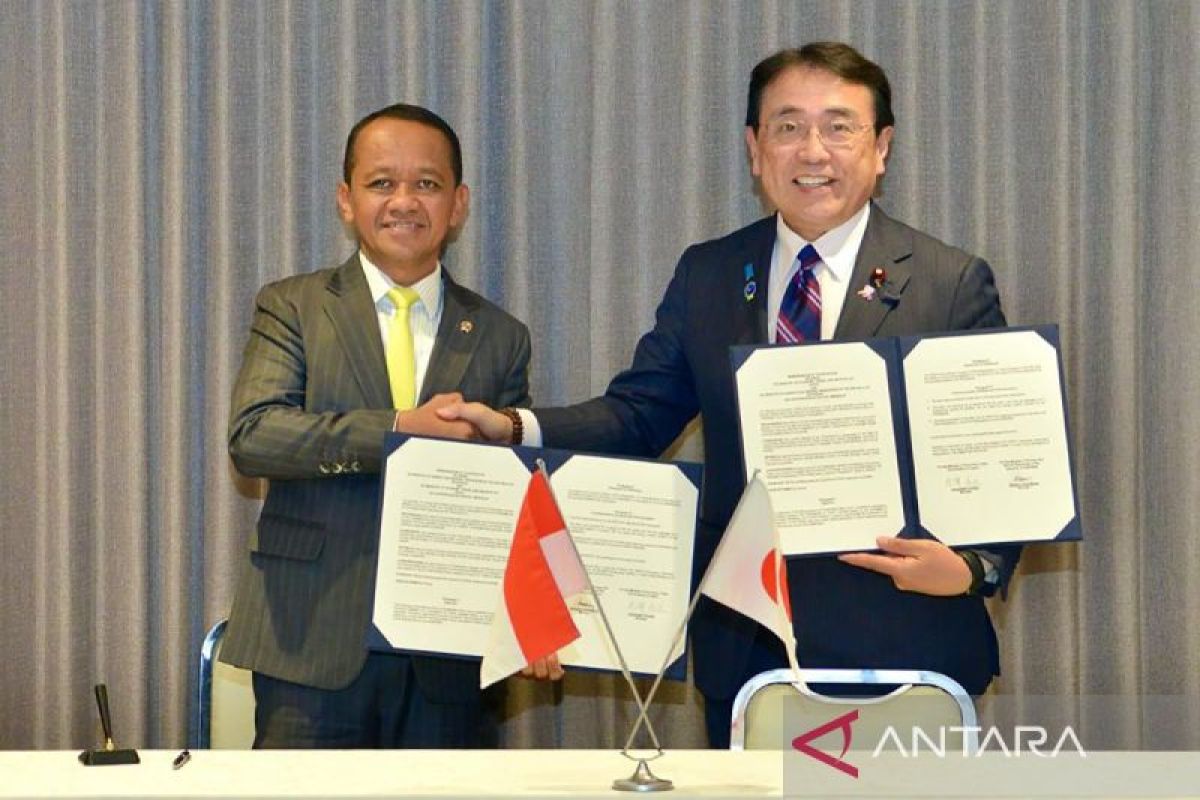
Economist Hendry Cahyono of the State University of Surabaya (Unesa) has characterised the Indonesian Government’s cooperation with the Japanese Government in signing a memorandum of cooperation (MoC) on critical minerals and nuclear energy as a rational step amidst the current global geopolitical situation.
“This step represents a rational response to geopolitical disruption. Indonesia’s current position is actually situated within a very favourable window of opportunity,” Cahyono said in a statement confirmed in Jakarta on Wednesday.
He further views the cooperation not merely as an energy supply arrangement, but as having the potential to create multi-layered economic impacts for Indonesia, ranging from improved production efficiency to job creation.
“The expectation is that there will be a multiplier effect on national production efficiency, increased revenue, and labour absorption,” he stated.
Cahyono described the cooperation with Japan in the energy sector as a signal that Indonesia is increasingly serious about developing clean energy based on advanced technology.
“This demonstrates progress, even though the path to realisation remains long,” he noted.
Nevertheless, he cautioned the government about the importance of ensuring optimal implementation of the cooperation, particularly in the aspect of technology transfer, so that Indonesia does not become merely a market.
On 15 March 2026, Energy and Mineral Resources Minister Bahlil Lahadalia signed the cooperation agreement with Japan’s Minister of Economy, Trade and Industry Ryosei Akazawa.
Cooperation in the critical minerals sector will be directed towards strengthening the global supply chain to make it more secure and reliable, whilst nuclear energy cooperation will focus on developing low-carbon technology with high safety standards.
Japan has committed to supporting the completion of the Legok Nangka Waste-to-Energy Power Plant (PLTSa) as part of the strategic partnership between the two countries.