
Economist: Follow-up to Prabowo's speech requires fiscal reform
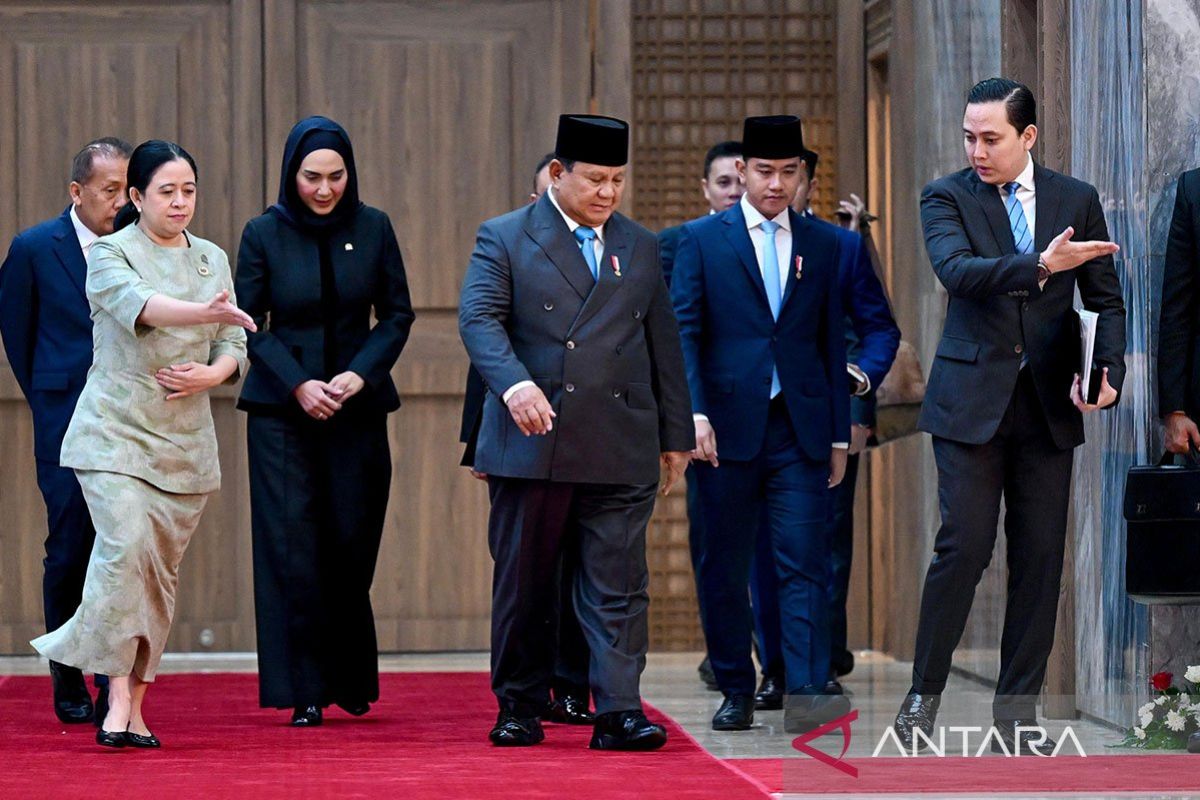
Jakarta (ANTARA) - Economist and public policy expert at UPN Veteran Jakarta, Achmad Nur Hidayat, reminded of the importance of fiscal reform to follow up on President Prabowo Subianto’s directives in the introductory speech of the 2027 State Budget and Revenue and Expenditure Plan (RAPBN 2027). “In such conditions, the President’s speech could be a positive turning point if followed by serious fiscal reform. But it could also be merely a temporary psychological pause if not accompanied by real changes,” Achmad said when contacted by ANTARA in Jakarta, on Wednesday. He stated that in the short term, the speech could provide a stabilising psychological effect, thus the market could respond positively. The movement of the rupiah exchange rate could also become more stable and investors would gain signals that the government is not ignoring economic risks. However, the long-term impact remains dependent on the consistency of the policies that the government will implement as a political consequence of delivering the speech. “This is the greatest challenge for the government. The public and the market no longer judge promises, but the ability to execute,” Achmad said. He noted that if after the speech policies that are contradictory emerge, for example populist spending without a clear funding source, then fiscal pressure will reappear. He emphasised that the government must understand that the global conditions today remain full of uncertainty, partly due to the high interest rates in the United States that continue to suppress capital flows to developing countries. “Geopolitical conflicts also increase energy price risks. China’s economic slowdown also affects Indonesia’s commodity demand. In other words, room for policy error is narrowing,” Achmad said. In the introductory speech for the Macro Economic Framework and the Fundamentals of Fiscal Policy (KEM-PPKF) of the RAPBN 2027 at the Parliament Complex, Jakarta, on Wednesday, President Prabowo delivered a number of fiscal targets for next year and the government’s latest policies. The President said the government aims to keep next year’s economic growth in the range of 5.8-6.5 percent, inflation 1.5-3.5 percent, 10-year Government Securities (SBN) yields of 6.5-7.3 percent, and the rupiah exchange rate of Rp16,800-Rp17,500 per US dollar. Meanwhile, the new policies announced include the formation of the Danantara Sumber Daya Indonesia (DSI) Export Agency and the issuance of Government Regulation (PP) on the Governance of Export of Natural Resource Commodities (SDA).