
Economic Transformation amid the Middle Eastern Storm
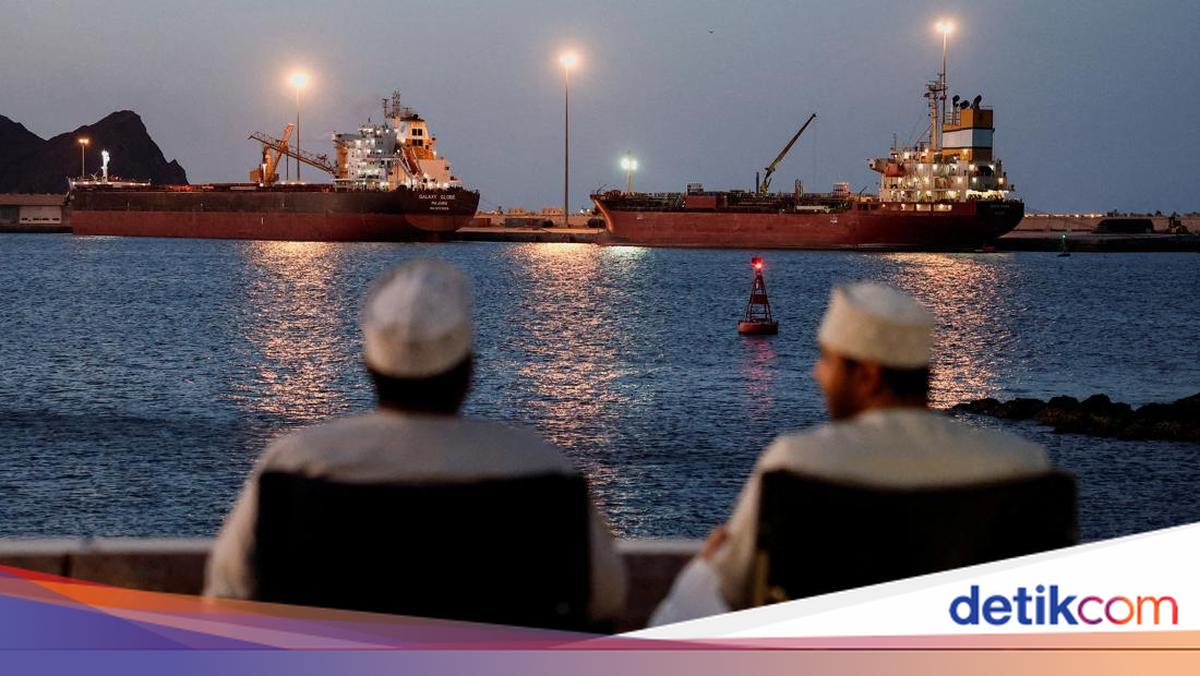
Amid current global geopolitical turbulence, the Middle East has again become a region that determines global economic stability. Recurring conflicts, energy corridor tensions, and shifting strategies by Gulf states have created uncertainties affecting energy markets and international trade.
For many industrialised nations, this region represents a source of risk. However, for Indonesia, it can also be read as a source of strategic opportunity, if understood through the framework of development economics formulated by Sumitro Djojohadikusumo. Sumitro’s economic thought fundamentally rests on one central idea: the state must lead structural economic transformation from dependence on commodities towards sovereign national industrialisation.
In the context of Middle Eastern geopolitics, this approach becomes highly relevant because the region holds three important factors for Indonesia’s development: energy, capital, and markets.
Energy as the Foundation of Industrialisation
There is no industrialisation without stable and affordable energy. The Middle East remains the world’s primary centre for oil and gas supply. Within the framework of Soemitronomics, Indonesia’s relationship with this region should not be viewed merely as energy trade, but as a strategy for national industrial security.
Indonesia needs to establish long-term energy contracts, strengthen strategic energy reserves, and develop joint petrochemical and refinery cooperation with Gulf states. In this way, energy becomes not merely an imported commodity, but a strategic input for national industrialisation.
Petrodollars as an Engine of Industrial Transformation
Gulf states currently manage massive capital surpluses through sovereign wealth funds. In Sumitro’s logic, foreign capital can become an instrument of national development if directed selectively. Investment from the region should be channelled towards sectors that strengthen Indonesia’s economic structure, such as: the petrochemical industry, oil and gas refineries, fertiliser and metals industries, export industrial zones, port logistics and energy.
With this approach, capital from the Middle East enters not merely as portfolio investment or consumptive property, but as a machine for building national industrial capacity.
The Middle Eastern Market and Indonesia’s Industrial Expansion
Beyond energy and capital, the Middle East is also an important market for Indonesian products. Economic growth in the region opens opportunities for Indonesian exports in halal food, halal pharmaceuticals, textiles, building materials, and construction services. Within the Soemitronomics framework, such market expansion is important because it increases the scale of national production. Export-oriented industries will absorb technology faster, boost productivity, and strengthen Indonesia’s position in global value chains.
Managing Geopolitical Risk
Middle Eastern conflicts often affect global trade routes, particularly energy and international logistics corridors. From a development economics perspective, this risk cannot be ignored. The state needs to build supply chain resilience through trade route diversification, strengthening national logistics, and developing domestic industries that reduce dependence on strategic imports. In this way, geopolitical turbulence will not directly shake the foundation of the national economy.
Pragmatic Economic Diplomacy
Sumitro’s thinking also emphasises that international economic relations must be pragmatic and oriented towards national interests. Indonesia needs to maintain balanced economic relations with various regions of the world, including the Middle East, East Asia, Europe, and America. This approach allows Indonesia to capitalise on global opportunities without becoming trapped in geopolitical rivalries between major power blocs.
The Path Towards Industrial Sovereignty
If read strategically, Middle Eastern dynamics actually open major opportunities for Indonesia. Energy from the region can support national industrialisation, petrodollars can be a source of financing for industrial development, and regional markets can expand Indonesia’s manufacturing exports.
However, all these opportunities can only be capitalised if the state has a clear and consistent development direction. This is where the relevance of Soemitronomics thinking becomes increasingly evident. National industrialisation requires a combination of state leadership, partnership with the private sector, and intelligent integration with the global economy.
The Middle East may be engulfed in geopolitical storms, but for Indonesia, these storms also carry currents of opportunity. With the right strategy, the region can become one of the stepping stones for Indonesia to achieve industrial sovereignty and national prosperity.