
East Kalimantan Education Department Targets Four Garuda Schools to Accelerate Education
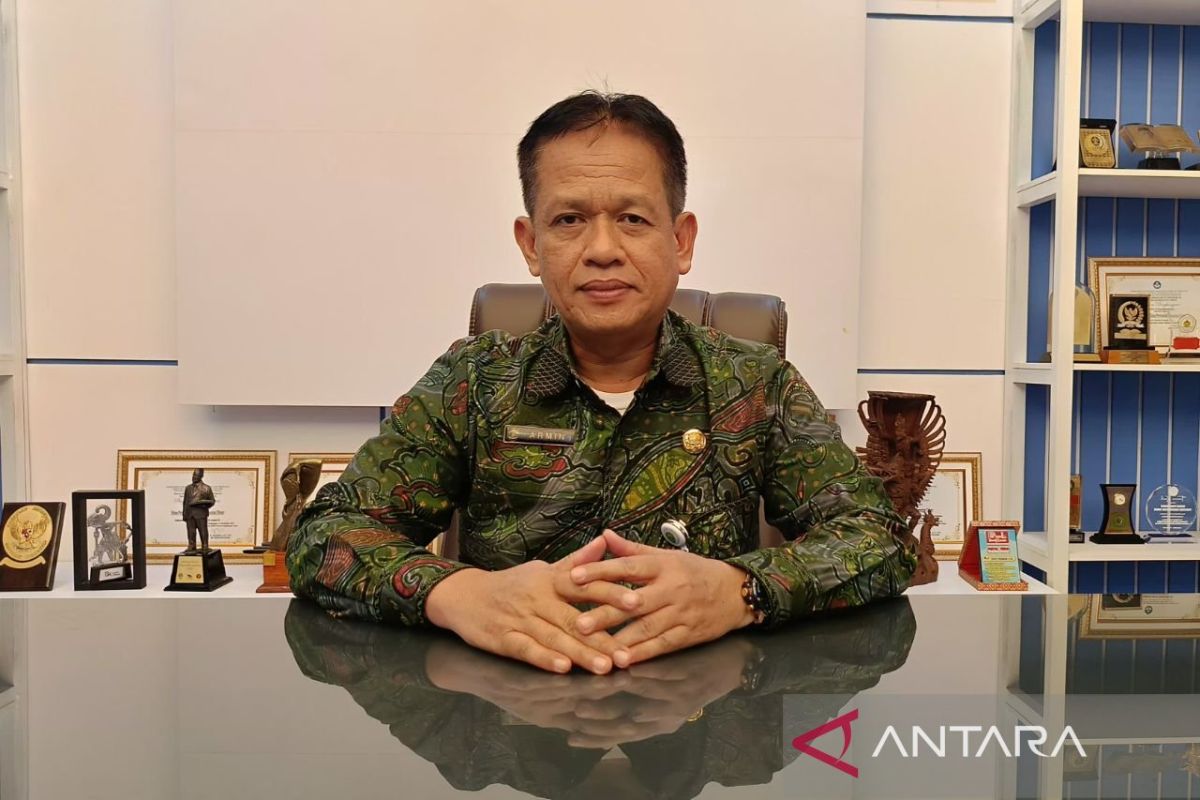
The East Kalimantan Education and Culture Department is submitting three additional schools to the Ministry of Education, Culture, Research, and Technology to promptly follow the education transformation steps. Samarinda (ANTARA) - The Education and Culture Department (Disdikbud) of East Kalimantan Province is targeting the expansion of Garuda Schools to four senior high schools as an effort to accelerate the quality of regional education. “We are focusing the Garuda Transformation programme specifically on four flagship schools so that the acceleration of international-standard education can be realised more massively as soon as possible,” said Acting Head of Disdikbud Kaltim, Armin, in Samarinda on Thursday. Armin explained that SMAN 10 Samarinda is the only educational institution that has officially been established as a Garuda Transformation School since 2025. This pilot school continues to be intensified to strengthen international classes using a full English language delivery system. Currently, Disdikbud Kaltim is proposing three other schools to the Ministry of Education, Culture, Research, and Technology to promptly follow the education transformation steps. SMAN 2 Sangatta Utara is specifically projected to become the location for expanding the international class programme that began in the provincial capital. In addition, SMAN 3 Tenggarong is also proposed for the international class programme and is being thoroughly prepared as a full boarding school. To support the creation of flagship schools, Disdikbud Kaltim is steadfast in implementing two main strategies to improve the competence of all teachers and educational personnel. “The first strategy includes providing comprehensive training for teachers up to school principals to add insight, skills, and teaching materials,” said Armin. The second strategy is the implementation of intensive mentoring programmes so that educational personnel are truly able to apply the knowledge from the training. According to him, this mentoring process plays an important role in ensuring that they truly apply all the initial provisions that have been given. “Both strategies must run in tandem because training alone is not enough without field implementation supervision,” Armin stated.