
East Java Education Office Emphasises Collaboration to Improve Education Quality
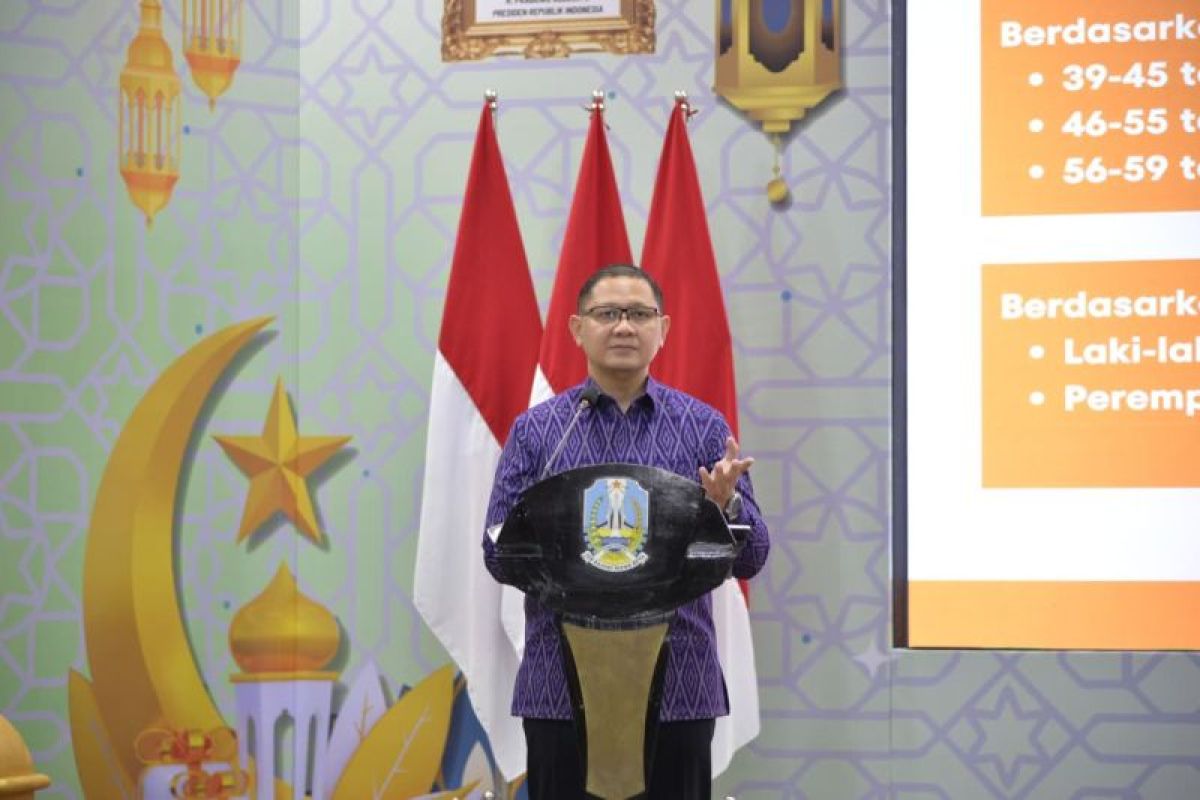
Surabaya (ANTARA) - The Head of the East Java Education Office, Aries Agung Paewai, has emphasised the importance of collaboration between government, the business world, industry, and society to improve education quality and realise equitable distribution of superior human resources in East Java.
“Education cannot be managed by the government alone. There must be three main components: government, the business and industrial world, and society. If these three forces can be combined into one to care together for education, I am confident that our education will be increasingly successful and advanced,” said Aries in Surabaya on Friday.
The momentum of National Education Day (Hardiknas) 2026 serves as a reflection for the East Java Education Office in promoting equitable improvement in education quality across all regions of the province.
Aries stated that the government cannot work alone in improving education quality due to budget limitations that must also be allocated to other sectors, such as infrastructure and health.
Therefore, the involvement of various parties is needed to support the strengthening of facilities and infrastructure as well as the improvement of educator quality.
“The biggest challenge at present is that many of our teachers still lack sufficient competencies. Educating and developing their competencies certainly requires costs. This must be a shared concern so that they can gain additional knowledge and adapt to technological developments,” he said.
As an effort to improve education quality, the East Java Education Office continues to implement various strategic programmes, including mass teacher training through the Teacher and Education Personnel (GTK) division.
In addition, the East Java Education Office also facilitates competency training and certification based on the Indonesian National Qualifications Framework-Competency Certification Agency (KKNI-LSK) through the Technical Implementation Unit for Vocational Technology and Skills Development (UPT PTKK) under the Directorate General of Vocational Education of the Ministry of Basic and Secondary Education (Kemendikdasmen).
According to Aries, the biggest challenge in education in East Java is the equitable distribution of education quality across regions.
He assessed that the success of education is not only measured by the emergence of high-achieving students, but also by the equitable distribution of potential across all regions.
“It’s not just one or two who are excellent, but the equitable distribution of potential is our shared task. This task is indeed not easy, but it can be done if worked on together,” he said.
Aries hopes that education in East Java will remain a barometer for national education.
He assessed that the achievements of East Java students in various talent and national competitions continue to show significant results.
“Our hope is that East Java’s education remains a barometer for national education. The achievements of our children in various talent arenas continue to show the best results. It’s just a matter of how that potential can be distributed evenly across all regions,” he said.