
East Java Civil Servants to Continue WFH Every Friday from June 2026
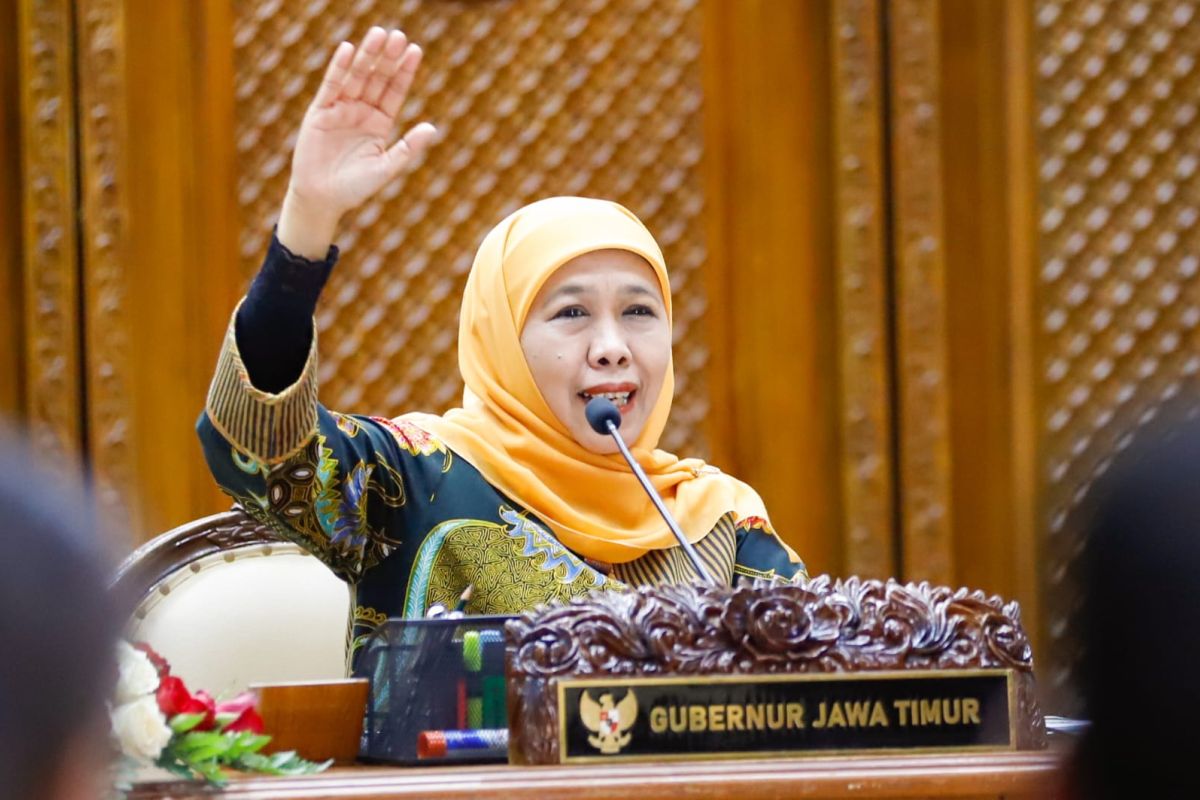
East Java Governor Khofifah Indar Parawansa confirmed that the work-from-home (WFH) policy for civil servants within the East Java Provincial Government will continue from June 2026, implemented every Friday. “The East Java Provincial Government will implement a limited and measured WFH arrangement for civil servants every Friday to align with the Home Affairs Minister’s national directive for WFH to be conducted on Fridays,” Khofifah stated after a WFH evaluation meeting in Surabaya on Saturday. She noted that WFH was previously held on Wednesdays, but from June 2026, the policy will shift to Fridays to align with national guidelines. “Indeed, the day has been synchronised with the central government, with WFH on Fridays,” she added. However, certain local agencies providing direct public services will continue working from the office (WFO). “Hospitals, the Social Affairs Office, Transportation Office, Satpol PP, BPBD, Bakesbangpol, and public schools under the Education Department providing public services will remain WFO,” she said. She added that agencies delivering essential public services may operate at 100% WFO to ensure essential services continue uninterrupted. These services include healthcare, transport, and security, as well as services tailored for vulnerable groups such as persons with disabilities, the elderly, pregnant women, and children. During implementation, the East Java Provincial Government will continuously monitor and evaluate to ensure civil servant productivity is maintained and public services operate optimally. Obligations include remaining at home, fulfilling duties and responsibilities, being responsive to leadership instructions, and being prepared to attend the office if required. Additionally, civil servants must meet performance targets, log attendance via the Jatim Presensi app under WFH mode, and report daily activities with supporting evidence or performance outputs to department heads through direct supervisors. Civil servants working from home must also ensure their workspace is secure by switching off electronic devices, air conditioners, lights, and unplugging electrical appliances from sockets before leaving the office. The East Java Provincial Government views flexible working arrangements as an alternative to improve government efficiency while enabling civil servants to work more effectively without compromising performance or public service quality. With this schedule adjustment, civil servants within the East Java Provincial Government are expected to adapt to the new working pattern from June 2026, while maintaining service quality and quantity in line with local government standards.