
East Jakarta refines integration of CCTV from four-storey buildings for security
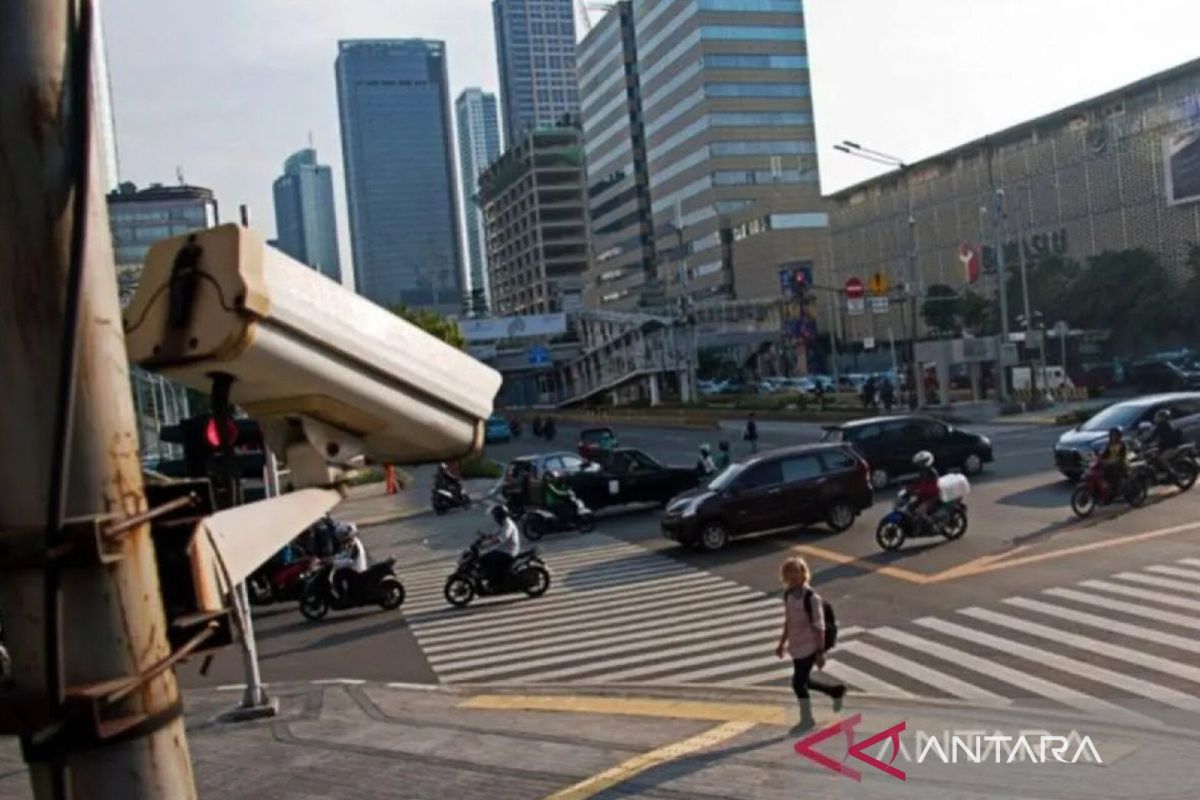
Jakarta (ANTARA) - The East Jakarta city government is continuing to refine steps for integrating surveillance cameras (CCTV) from buildings with four or more storeys as part of strengthening the city’s technology-based security system.
“Regarding the installation of CCTV in buildings, it must be discussed with several related Regional Work Units (SKPD),” said the Head of the East Jakarta Spatial Planning, Building, and Land Agency (Citata), Wiwit Djalu Adji, when contacted by ANTARA in Jakarta on Monday.
This policy is a follow-up to the directive from the Governor of DKI Jakarta, Pramono Anung, which mandates buildings with a height of four storeys or more to connect with the CCTV system owned by the DKI Jakarta Provincial Government.
According to Wiwit, the main purpose of installing these CCTV cameras is for city surveillance and security, not merely related to spatial planning or building supervision.
However, the policy is still in the discussion stage across organisational units (OPD) or related SKPD to ensure clarity on authority, technical standards, and implementation mechanisms in the field.
He explained that CCTV installed in high-rise buildings so far is generally internal or private, used for security interests within the building’s area itself.
These surveillance cameras are typically placed inside the building or in limited areas owned by the managers, and have not yet been integrated with the government’s system.
Through this new policy, the DKI Provincial Government encourages building managers not only to install CCTV for internal purposes but also to provide cameras directed towards public spaces.
The data from these cameras will then be integrated into the Jakarta Smart City system to expand the scope of city security monitoring.
“This includes outdoor CCTV to detect potential criminality and assist in traffic management,” said Wiwit.
Furthermore, he emphasised that this integration will provide significant benefits for comprehensive city oversight.
With the limitations of each CCTV’s coverage, integration from various points in high-rise buildings is expected to create a broader and more sustainable monitoring system.
“With outdoor CCTV from buildings directed at the streets, it can later help monitor incidents like criminality in real time. This also makes it easier because the data is directly integrated, no longer needing to be requested manually,” he explained.
“Including matters of standards, mechanisms, and sanctions, this will be further coordinated with related agencies,” said Wiwit.
In terms of data, the East Jakarta Citata Agency estimates the number of buildings with four or more storeys in its area to be between 100 and 200 structures.
However, detailed data on all buildings is still in the process of further inventory. Wiwit hopes that through the maturation of this policy, CCTV integration can soon be realised effectively.
This step is seen as an important part in supporting the transformation of Jakarta Smart City, which prioritises security, efficiency, and technology-based public services.
Previously, DKI Jakarta Governor Pramono Anung mandated that buildings with four or more storeys must connect with the Provincial Government’s surveillance cameras (CCTV) to strengthen oversight and create an integrated security system.
“So, for CCTV, we are currently deciding that buildings with more than four storeys, in accordance with the Governor’s Regulation, will be connected to the CCTV managed by the DKI Jakarta Government, so that Jakarta will become integrated,” said Pramono in Central Jakarta on Saturday (4/4).
Pramono views this effort as a step in modernising the city’s security and monitoring system. The CCTV installation will eventually cover areas up to the sub-districts in Jakarta.