
East Jakarta City Government Urges Farmers to Adjust Cropping Patterns to Face Prolonged Dry Season
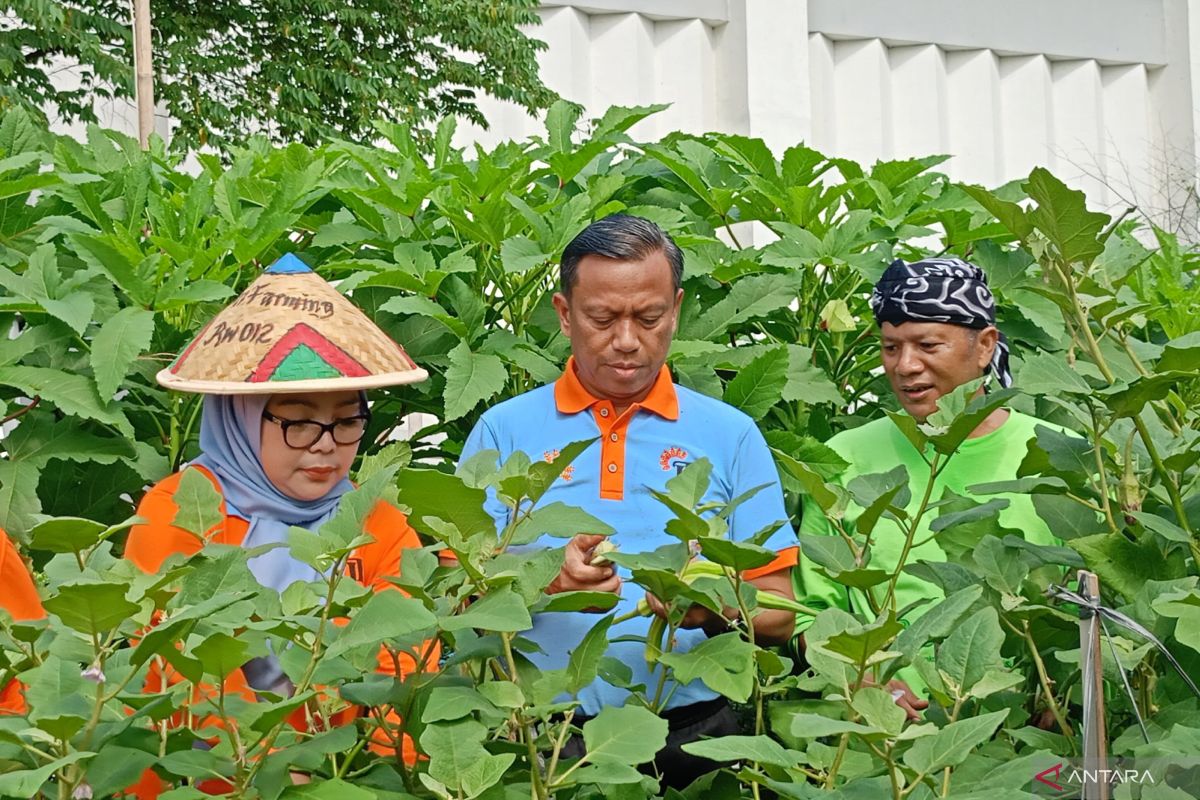
Jakarta (ANTARA) - The East Jakarta City Government (Pemkot Jaktim) has urged farming groups to adjust their cropping patterns to face the prolonged dry season predicted to occur due to the El Nino phenomenon. “Cropping patterns must be considered carefully, and the timing must be precise. As we are entering the dry season, the impacts could be felt starting from June or July,” said East Jakarta Mayor Munjirin during the harvest of Inthanon melons in RW 012, Cipinang Melayu, Makasar, East Jakarta, on Friday. According to him, changing cropping patterns is a crucial step to maintain agricultural productivity amid the potential reduction in rainfall. He assessed that without thorough planning, farmers risk experiencing a decline in harvest yields or even crop failure. Additionally, planting times must be adjusted to weather conditions so that crops can grow optimally with limited water availability. Furthermore, harvest times also need to be planned from the outset to avoid periods of extreme drought. “Choose crop varieties that are drought-resistant and do not require much water,” said Munjirin. On the other hand, he also urged efficient water usage. Proper water management is considered the main key in sustaining agriculture during the dry season. With adjustments to cropping patterns, selection of appropriate varieties, and water efficiency, the East Jakarta City Government is optimistic that farmers can maintain productivity and food security in their respective areas despite facing a prolonged dry season. Previously, Jakarta Governor Pramono Anung Wibowo reminded his subordinates to prepare to anticipate the potential impacts of the El Nino phenomenon on the capital’s economy. “Officially, the BMKG has stated that El Nino will start from mid-April to September. This means, sooner or later, it will certainly affect the DKI Jakarta Provincial Government,” said Pramono on 16 April 2026. He also revealed that the El Nino phenomenon can affect various sectors, from food availability to market price stability.