
East Jakarta City Government Strengthens Waste Management through "Ceria Waste Bank"
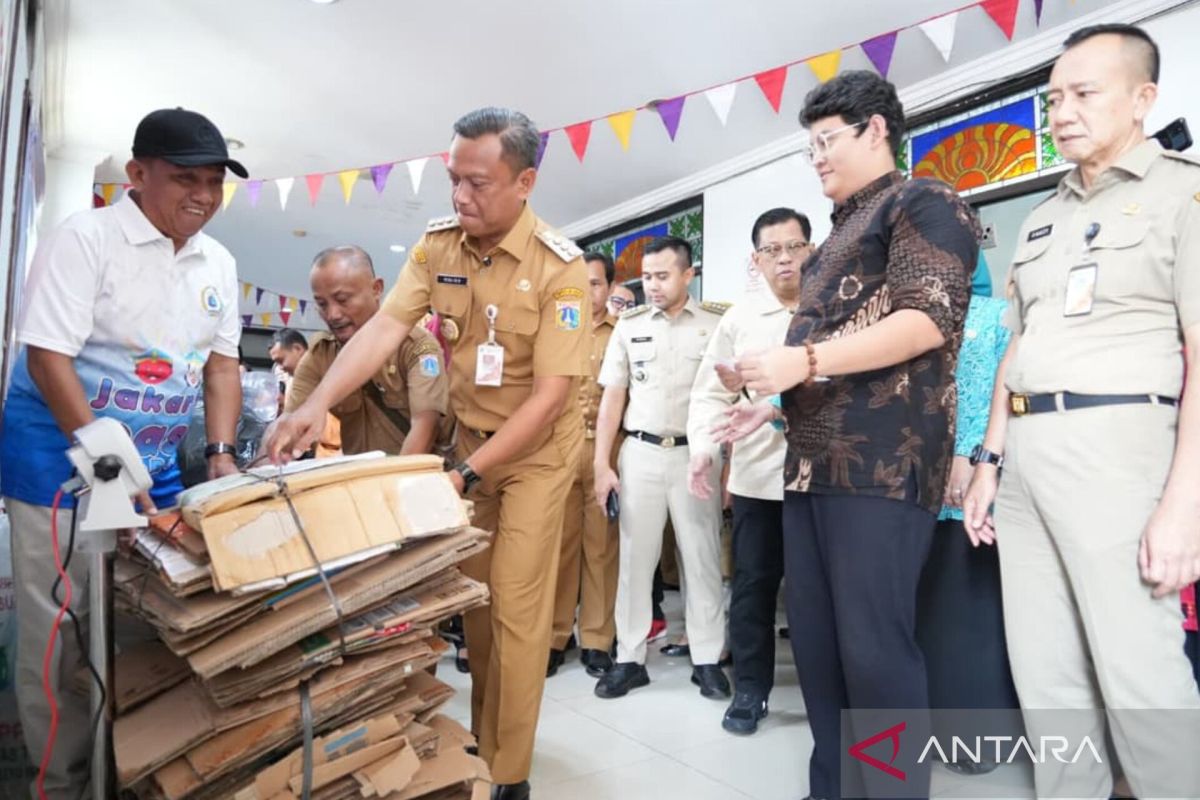
Jakarta (ANTARA) - The East Jakarta City Government (Pemkot Jaktim) is strengthening waste management in the area through the Ceria Waste Bank in Makasar District. “In Makasar District, the Ceria Waste Bank has just been inaugurated, which accommodates all existing waste banks. All weighing is centralised here,” said East Jakarta Mayor Munjirin in Makasar District, East Jakarta, on Tuesday. Munjirin stated that Makasar District has been designated as a pilot area for community-based waste management. “Makasar will serve as the pilot. The concept will later be adopted by the other nine districts. We will monitor progress regularly to ensure it runs according to targets,” Munjirin said. This step is marked by the inauguration of the Ceria Waste Bank, which is expected to become an integrated waste management centre and a model to be replicated throughout the districts in East Jakarta. In addition, this programme is part of the city government’s systematic efforts to reduce the volume of waste sent to the Bantar Gebang Integrated Waste Processing Site (TPST). He emphasised that waste management must start from the source, namely households to government offices. Therefore, the inauguration of the Ceria Waste Bank in Makasar District becomes an important milestone in waste management in the region. This waste bank functions as a central weighing and collection point for inorganic waste from all waste banks scattered at the RW and sub-district levels. “This is one of our efforts to reduce the volume of waste that reaches Bantar Gebang,” Munjirin said. Munjirin added that he has instructed all ranks to strengthen waste sorting from the source. Organic waste is encouraged to be processed into compost or utilised through simple technologies like biopori, while inorganic waste is directed to waste banks for recycling. “Waste sorting from the source, whether at home or in the office, must be done consistently. Inorganic waste goes to the waste bank, organic waste is used for composting or biopori. We have been doing this for a long time and continue to strengthen it,” Munjirin explained. Munjirin is optimistic that the Ceria Waste Bank and the integrated management system can significantly reduce waste volume while increasing public awareness of the importance of sustainable waste management.