
Earth's Orbit Increasingly Congested with Space Debris
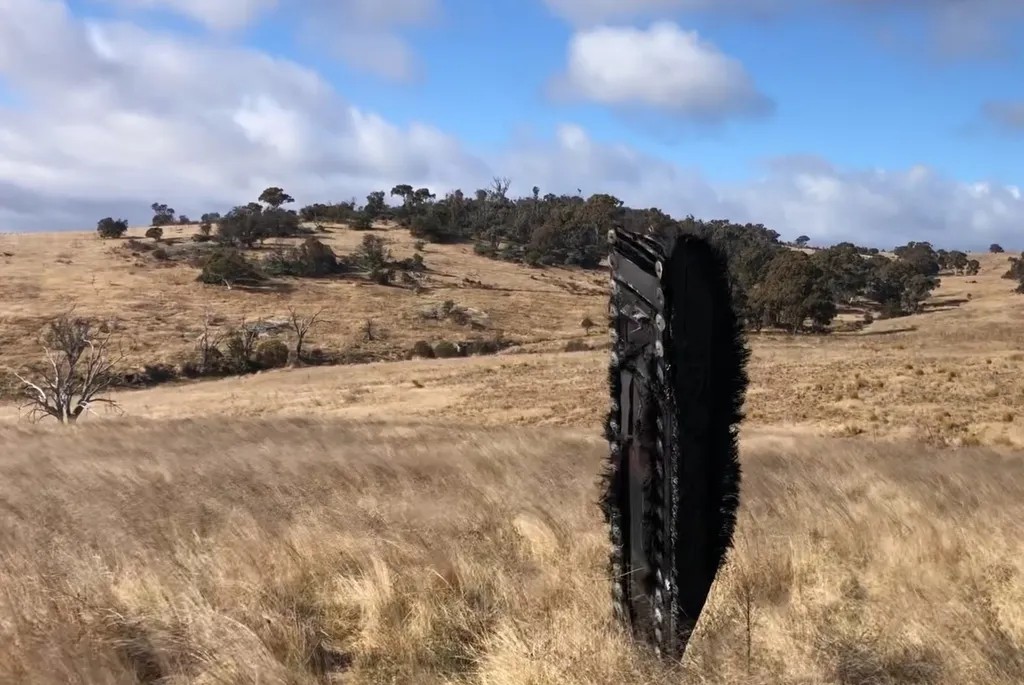
The condition of Earth’s orbit is reportedly becoming increasingly critical due to the surge in space debris and defunct satellites that is now out of control. According to the latest data, the European Space Agency (ESA) revealed that the number of inactive objects in orbit now almost equals the number of active satellites still in operation.
The sharp increase in satellite launch activity in recent years, driven by the expansion of satellite internet and large constellation projects by global technology companies, is the main trigger. As a result, low Earth orbit (LEO) has become very congested and significantly increases the risk of collisions between objects.
Referring to the ESA Space Environment Report 2026, there are currently more than 40,000 space objects that have been successfully tracked from Earth. However, this figure is only “the tip of the iceberg,” as the number of untraceable small fragments is estimated to reach millions.
These objects include remnants of rockets, defunct satellites, fragments from past collisions, and small debris from explosions in orbit. ESA emphasizes that the uncontrolled growth of debris is happening very rapidly, creating a real threat to the sustainability of space infrastructure in the future.
Tracked objects: >40,000 units.
Debris speed: Reaching 28,000 km/h.
Status: The number of debris almost equals the number of active satellites.
The Fatal Kessler Syndrome Risk
Scientists are warning of the emergence of a chain reaction known as Kessler Syndrome. This phenomenon occurs when the density of objects in orbit is high enough that collisions between objects trigger a chain reaction, generating more debris and causing subsequent collisions continuously until the orbit is no longer usable.
NASA also highlighted the danger of small debris. Although they are microscopic in size, these objects move at extreme speeds exceeding 28,000 kilometers per hour. At this speed, even the smallest debris has enough kinetic energy to disable active satellites, damage spacecraft, and threaten the safety of crews on space stations.
Triggers for Explosions and the Urgency of Deorbit
The density of the orbit is exacerbated by a number of incidents in recent years, including explosions of batteries or fuel tanks on old satellites, anti-satellite (ASAT) weapon tests, and accidental collisions. ESA asserts that every new launch without a well-planned mitigation plan will only worsen the situation.
Currently, space agencies and the private sector are being encouraged to integrate automatic deorbit systems. This technology allows satellites that have reached the end of their lifespan to exit orbit immediately and burn safely in the Earth’s atmosphere.
Challenges for the Modern Space Industry
Although the industry is starting to develop cleaning solutions—such as debris-catching spacecraft and robotic satellite retrieval systems—experts say that the rate of debris growth still far exceeds current cleaning capabilities.
Managing Earth’s orbit is now one of the biggest geopolitical and technical challenges. Without strict international regulations and massive cleaning technology, human access to space in the future could be threatened by the “fence” of debris that we create ourselves. (European Space Agency/E-3)