
Early Year, Dengue Fever Cases in Sukabumi City Decline Significantly
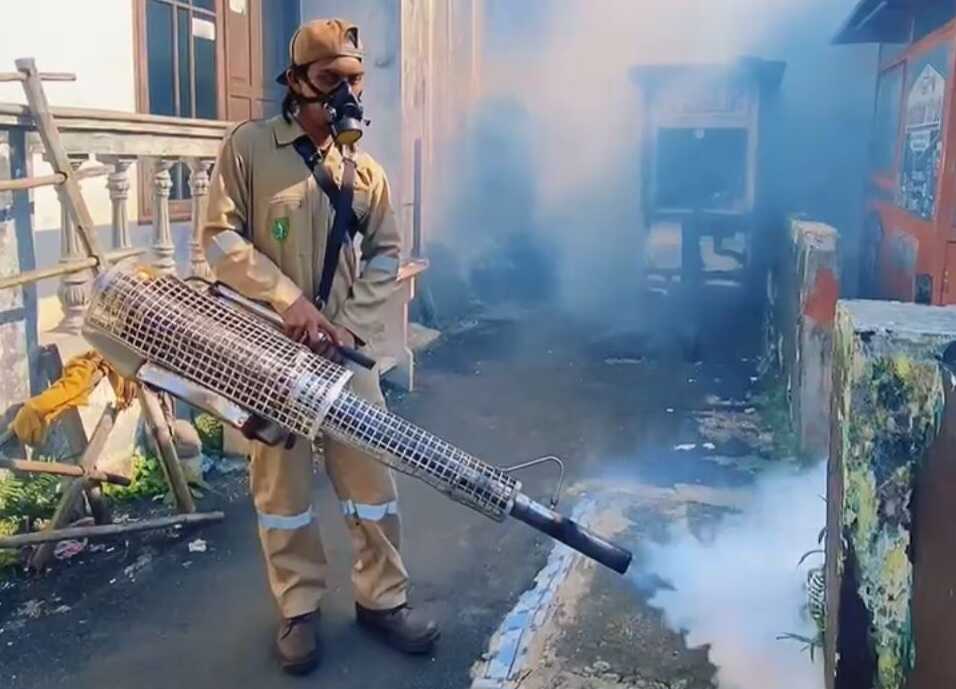
Cases of dengue fever (DBD) in Sukabumi City, West Java, have shown a declining trend as the year begins, despite conditions of extreme weather that typically trigger the proliferation of Aedes Aegypti mosquito larvae.
Denna Yuliavina, head of disease prevention and control at Sukabumi City Health Office, explained that January recorded 54 cases of DBD, a significant decline compared to the same period in 2025.
“Throughout last year, approximately 1,017 dengue fever cases were recorded with one fatality. On average, last year saw 84 cases per month. This year, particularly throughout January, there were 54 cases of DBD with zero fatalities. Thus, it can be concluded that the number of cases is declining,” she stated on Friday, 27 February.
Based on statistical data, the 54 cases of dengue fever throughout January were spread across 7 subdistricts. The area with the highest number of dengue cases was Cisarua Village in Cikole Subdistrict with 7 cases, followed by Karangtengah Village in Gunungpuyuh Subdistrict with 6 cases and Baros Village/Subdistrict with 6 cases.
“Based on data, 11 of the 33 villages in Sukabumi City recorded zero cases,” she noted.
Yuliavina stated that the larva-free index throughout January in Sukabumi City reached 97.4%, meaning the rate of mosquito larvae proliferation was relatively very small. “The larva-free index in January exceeded the national target of 95%,” she added.
So far, she noted, dengue outbreaks tend to affect children. The Health Office has called on parents and educational institution managers to play a role in preventing dengue through the application of 3M Plus, which involves draining and covering water containers, as well as recycling various items that could potentially become breeding grounds for Aedes Aegypti mosquitoes.
“The most effective way to combat dengue is through mosquito nest eradication (PSN). It is quite effective and efficient because it is inexpensive and easy. This typically involves regular weekly cleaning with 3M Plus. Fogging is usually the last resort for dengue prevention,” she explained.
The Sukabumi City Health Office has implemented a programme called ‘One House One Mosquito Larva Monitor (Jumantik) Movement’. The presence of Jumantik is expected to prevent the proliferation of mosquito breeding sites in residential areas.
“We are also applying this movement in office environments. Hopefully, through the various efforts being undertaken, we can prevent dengue outbreaks,” she concluded.