
Early Detection Key to Childhood Kidney Cancer Recovery, Cure Rate Reaches 90 Per Cent
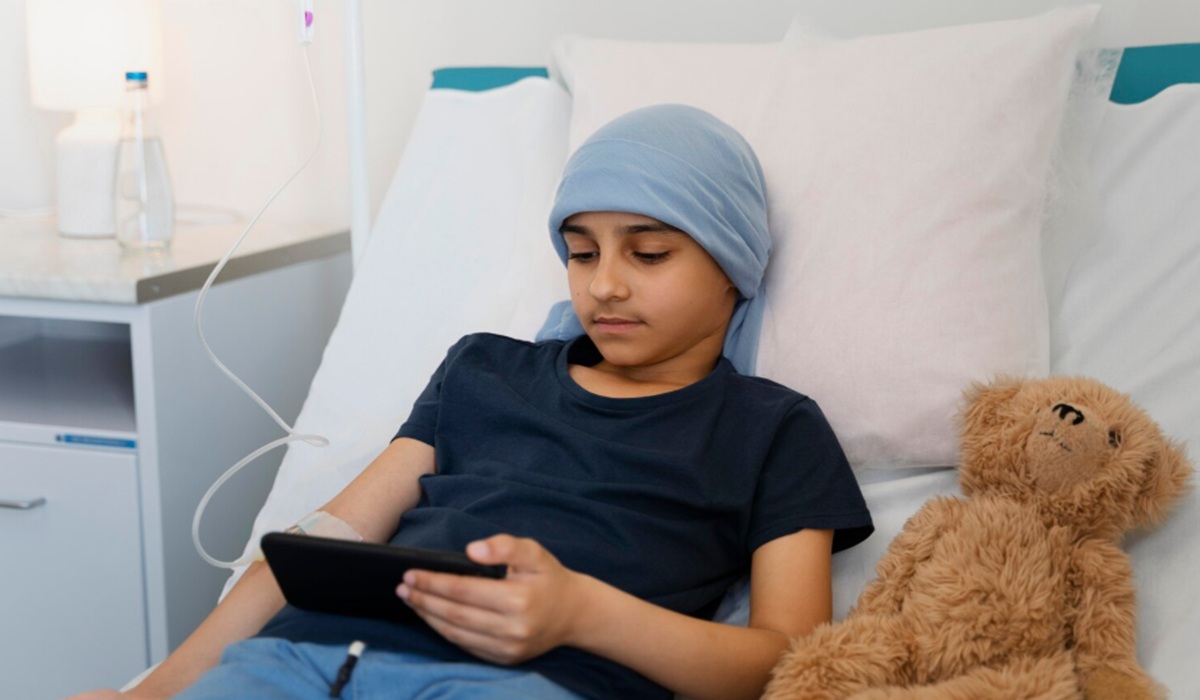
Survival rates for kidney cancer in children are exceptionally high when detected at an early stage. Dr Nur Melani, Sp.A, Subsp.HO(K), a paediatric specialist in haematological oncology at Hasan Sadikin Hospital Bandung, revealed that cure rates could reach 80 to 90 per cent with early detection and appropriate therapy.
However, the reality on the ground presents a starkly different picture. Nur noted that the actual cure rate in Indonesia currently falls far short of ideal targets.
“According to theory and statistics, malignant kidney cancer or malignant kidney tumours should be curable in 80–90 per cent of cases, yet in reality we achieve only 30 per cent, and this figure does not account for the additional 50 per cent of patients who abandon treatment,” Nur stated on Tuesday, 17 March.
Kidney cancer in children, particularly Wilms tumour (nephroblastoma), is generally not preventable, as the underlying cause often relates to genetic factors or congenital kidney development abnormalities.
For this reason, parental vigilance represents the first line of defence. Nur emphasised the importance of monitoring changes in a child’s body shape, particularly in children under five years of age. One of the most prominent signs is an enlarged abdomen.
“The characteristic feature is an abdomen that feels hard when pressed, which is often misinterpreted as abdominal distension,” Nur explained.
To confirm a diagnosis, the medical team conducts a series of examinations ranging from ultrasound to CT scans to identify masses within the kidney. Blood and urine tests are also performed to anticipate any complications.
Regarding treatment procedures, the initial approach depends heavily on tumour size.
“If surgical intervention is feasible initially, then surgery represents the first line of treatment, after which the tissue is examined microscopically to determine whether metastasis has occurred and what cell type is present, thereby enabling more accurate subsequent treatment determination. If the tumour is too large, efforts are made to reduce it first through medication or chemotherapy,” Nur stated.
Nur expressed concern about the many obstacles that continue to impede successful treatment in Indonesia. Beyond psychological factors, such as parental denial when symptoms emerge, bureaucratic barriers including the multi-tiered referral system, which consumes valuable time, and inactive BPJS administration also slow treatment initiation.
The treatment dropout rate reaching 50 per cent is also a serious concern. Consistency in undergoing therapy is crucial in determining patient survival.
Nur concluded by reminding the public and parents of the vital role they must play in being more vigilant, particularly if there is a history of genetic abnormalities or radiation exposure in the family.
“The key principle in managing childhood cancer is that earlier detection equals better survival chances; when discovered earlier, treatment can be more effective, complications fewer, and thus survival prospects greater. This responsibility falls squarely on parents and the community,” Nur emphasised.