
Eagle High Plantations' Net Profit Rises 39 Per Cent to IDR 379 Billion in 2025, Supported by CPO Price Increases
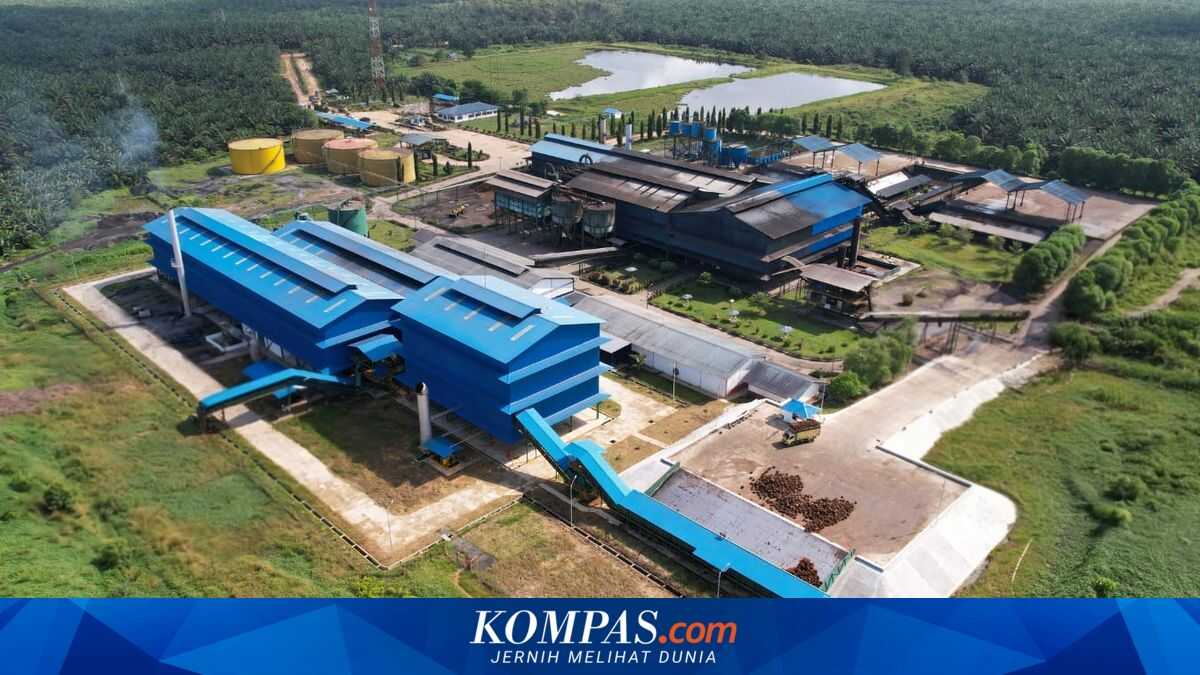
JAKARTA – PT Eagle High Plantations Tbk (BWPT) achieved significant net profit growth throughout the 2025 financial year. The palm oil plantation company recorded net profit of IDR 379 billion, up 39 per cent compared to the previous year of IDR 272 billion.
BWPT’s net profit growth was supported by increased revenue, cost efficiency, and optimisation of operational performance across all business lines.
“With increasingly strong fundamentals, support from strategic projects that have been and will be implemented, achievement of sustainability certification, and focus on efficiency and governance, BWPT is confident it can sustain growth momentum and continue creating long-term value for all stakeholders,” said Corporate Secretary of PT Eagle High Plantations Tbk Rizka Dewi in a written statement on Monday 2 March 2026.
This performance was also supported by strengthened operational fundamentals. Last year, the company completed construction of an extension mill in East Kalimantan. The project is expected to increase processing capacity and production efficiency, whilst supporting future production volume growth.
Entering 2026, BWPT will continue strategic initiatives through the development of Biogas and Kernel Crushing Plant (KCP) facilities. This initiative aims to increase product value-added and promote more sustainable operational practices, including optimisation of production by-product utilisation.
In terms of sustainability, throughout 2025 the company obtained one RSPO certification and one ISPO certification. Additionally, the global sustainability assessment score through SPOTT (Sustainability Policy Transparency Toolkit) increased to 85.67 per cent, or up 4.31 per cent compared to the previous year of 81.4 per cent.
The company continues to drive implementation of operational excellence through increased plantation productivity, production cost efficiency, strengthened governance, and human resource development.