
Dynamics of Welfare and New Directions in Social Development
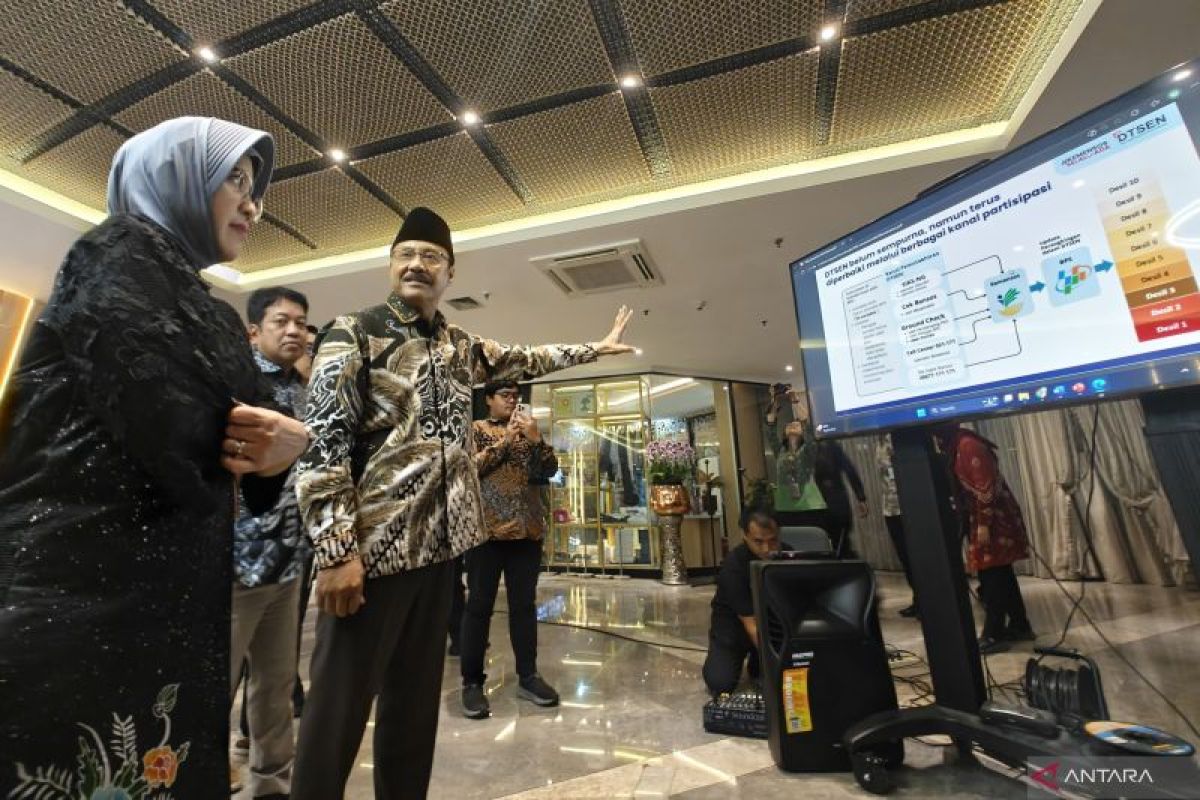
The government is beginning to abandon temporary direct aid patterns and move towards a data-based empowerment system. Jakarta (ANTARA) - The first quarter of 2026 marks a change in direction in Indonesia’s social policy. The government is starting to leave behind temporary direct aid patterns and move towards a data-based empowerment system. This approach not only reorganises the way the state distributes aid but also changes the position of society from passive recipients to active participants in the development process. This change is clearly seen in the implementation of the National Single Socio-Economic Data. Through the decile system, the population is grouped into ten welfare layers. Interventions are focused on the lowest groups, namely deciles 1 to 4. They receive aid such as the Family Hope Programme and Non-Cash Food Assistance. Meanwhile, the decile 5 group is directed towards independence. This policy shows the government’s efforts to encourage gradual social mobility. Data accuracy becomes the main foundation. With a neater data base, aid distribution becomes more on target. Up to March 2026, the realisation of social assistance has reached around 90 percent. Integration with the banking system and distribution support through PT Pos Indonesia helps reach areas that have previously been difficult to access. On the other hand, the government also faces challenges with misleading information. Issues of additional aid that are untrue circulated ahead of Eid al-Fitr. Quick clarification becomes an important step to maintain public trust as well as budget discipline. Amid this transformation, the Free Nutritious Meals Programme stands out as the most ambitious policy. With a budget of Rp335 trillion, this programme is directed as a long-term investment in human development. Its focus is not only on meeting nutritional needs but also on efforts to break the intergenerational poverty chain. The economic impact of this programme is starting to become visible. The government targets tens of thousands of service kitchens spread across various regions. Each unit absorbs local labour and drives the surrounding economy. Farmers, breeders, and small business actors are involved in the supply chain. In this way, the nutrition programme is directly connected to strengthening the people’s economy. Priority