
Dutch Colonial Official Criticises Eid Celebration Tradition in Indonesia, Borrowing for New Clothes
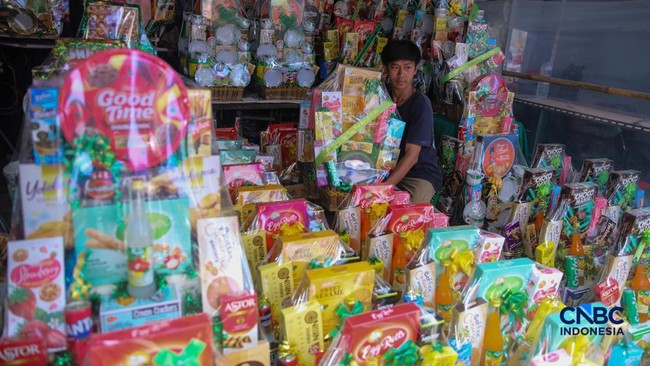
Jakarta, CNBC Indonesia — Whilst Ramadan is a month of fasting, expenditures typically surge with the approach of Eid al-Fitr due to purchases for the celebration, including travel costs for returning home, traditional cakes, new clothes, and monetary gifts distributed to family members.
The practice of Indonesians celebrating Eid festively has persisted for centuries, garnering the attention of a Dutch colonial official.
According to testimony from Snouck Hurgronje in 1906, Achenese people prioritised purchasing new goods over meat during Eid. In fact, markets selling clothing and similar items at the end of the fasting period attracted far more shoppers than meat or livestock vendors.
In his work Aceh in the Eyes of Colonialists (1906), Snouck noted that this custom arose in Aceh because everyone desired new clothes on the festival day. Within Achenese culture, a husband’s affection or appreciation for his children or wife was measured by the goods purchased in the market, ranging from meat to new clothing.
Similar phenomena occurred in Batavia. In 1904, Snouck also documented how Eid featured numerous celebrations with traditional festive meals, family visits, purchase of new clothes, and entertainment.
Snouck further recorded that expenditure on new clothing, fireworks, and food often exceeded typical daily spending. This occurred because residents viewed Eid as a special occasion.
At this point, colonial authorities regarded Eid traditions as wasteful.
Two colonial officials, Stienmetz and De Wolff, objected to the Eid traditions observed by Indonesian Muslims. Many indigenous employees organised grand Eid celebrations financed through borrowed money.
Additionally, Eid celebrations held by regents at government offices sometimes utilised state funds. The use of state treasury naturally created budget deficits.
On these grounds, both officials proposed prohibiting Eid celebrations, citing colonial regulations that forbade using state funds for non-essential activities.
Nevertheless, Snouck Hurgronje disagreed with the ban.
“There is no valid reason to issue appeals limiting Eid celebrations. […] Even through such means (prohibition), people will not necessarily become more motivated to economise,” stated the man serving as Islamic religious adviser, as quoted from Snouck Hurgronje’s Advice Volume IV (1991).
Furthermore, Snouck noted that Eid celebrations had become a custom amongst Indonesian Muslims, making prohibition unnecessary as it risked causing complications.
Ultimately, Snouck’s statement proved prescient: Eid celebrations and the associated traditions, including purchasing new clothes, have continued to the present day.