
Dumb Phone Trend 2026: Why Gen Z Is Abandoning Smartphones for Mental Health
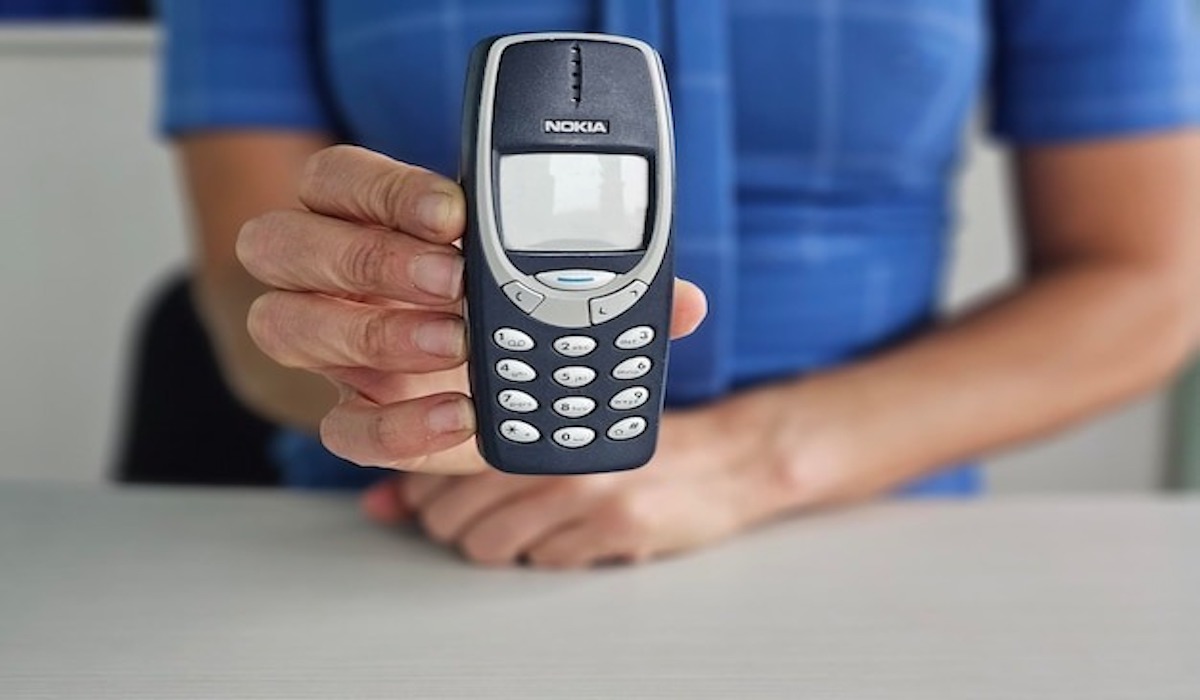
In an era that demands constant online presence, an unexpected trend has emerged among Generation Z in 2026. Young people born and raised with the internet are beginning to abandon smartphones in favour of dumb phones or feature phones with limited functions that typically support only voice calls and text messages.
This phenomenon is more than a passing lifestyle choice. Based on reviews on Vertu’s site, the shift is driven by a collective realisation that perpetual connectivity carries significant psychological effects. The year 2026 is now often referred to as the ‘Analog 2026’ era.
One of the biggest drivers of the dumb phone trend is mental health. Data show that the average Gen Z spends up to 6–7 hours per day on smartphones. Exposure to social media content portraying perfectly curated lives continuously triggers social comparison, anxiety, and low self-esteem.
Modern smartphones are designed with algorithms that trigger dopamine release, creating addictive cycles. By using a dumb phone, users consciously break that chain. Without incessant social media or email notifications, many users report reduced anxiety and improved sleep quality due to reduced exposure to blue light at night.
For Gen Z entering the workforce, digital distraction becomes a serious challenge. Smartphones encourage multitasking behaviour that reduces cognitive capacity. With a dumb phone, users are forced to adopt a single-tasking pattern. There is no temptation to endlessly scroll on short-video apps. This helps create a ‘flow state’ or full concentration when studying or working.
Increasing digital literacy makes Gen Z increasingly critical of big tech firms. Modern smartphones collect location data, browsing habits, and personal preferences for targeted advertising.
Dumb phones are seen as a safer place for personal data. Without complex apps and social media algorithms, users are free from echo chambers. From a cybersecurity perspective, these simpler devices carry lower risk of malware and phishing attacks that typically target complex mobile operating systems.
Besides functional reasons, dumb phones have a distinctive aesthetic appeal. The early 2000s fashion trend (Y2K) has returned, including the use of flip phones. There is a tactile satisfaction in closing a flip phone to end a call, a sensation not experienced with touchscreens.
Interestingly, owning a dumb phone has become a new status symbol. In a culture that demands everyone to be ‘always on’, the ability not to be constantly reachable is considered a luxury. Communities like the Luddite Club in New York even began holding regular gadget-free meetings, with members preferring physical books and direct interaction without screen distractions.
Are you ready to switch to an analog lifestyle in 2026?
A dumb phone is a simple feature phone without a smart operating system like Android or iOS, usually only capable of making calls and sending texts. Some newer models with lightweight operating systems like KaiOS support a limited version of WhatsApp, but many users deliberately choose models without any instant-messaging apps at all.
Besides the Y2K aesthetic factor, flip phones provide a clear physical boundary between digital time and private time.