
DSSA Strengthens Solar Energy Business Through TMAI, Supporting National 100 GW PLTS Target
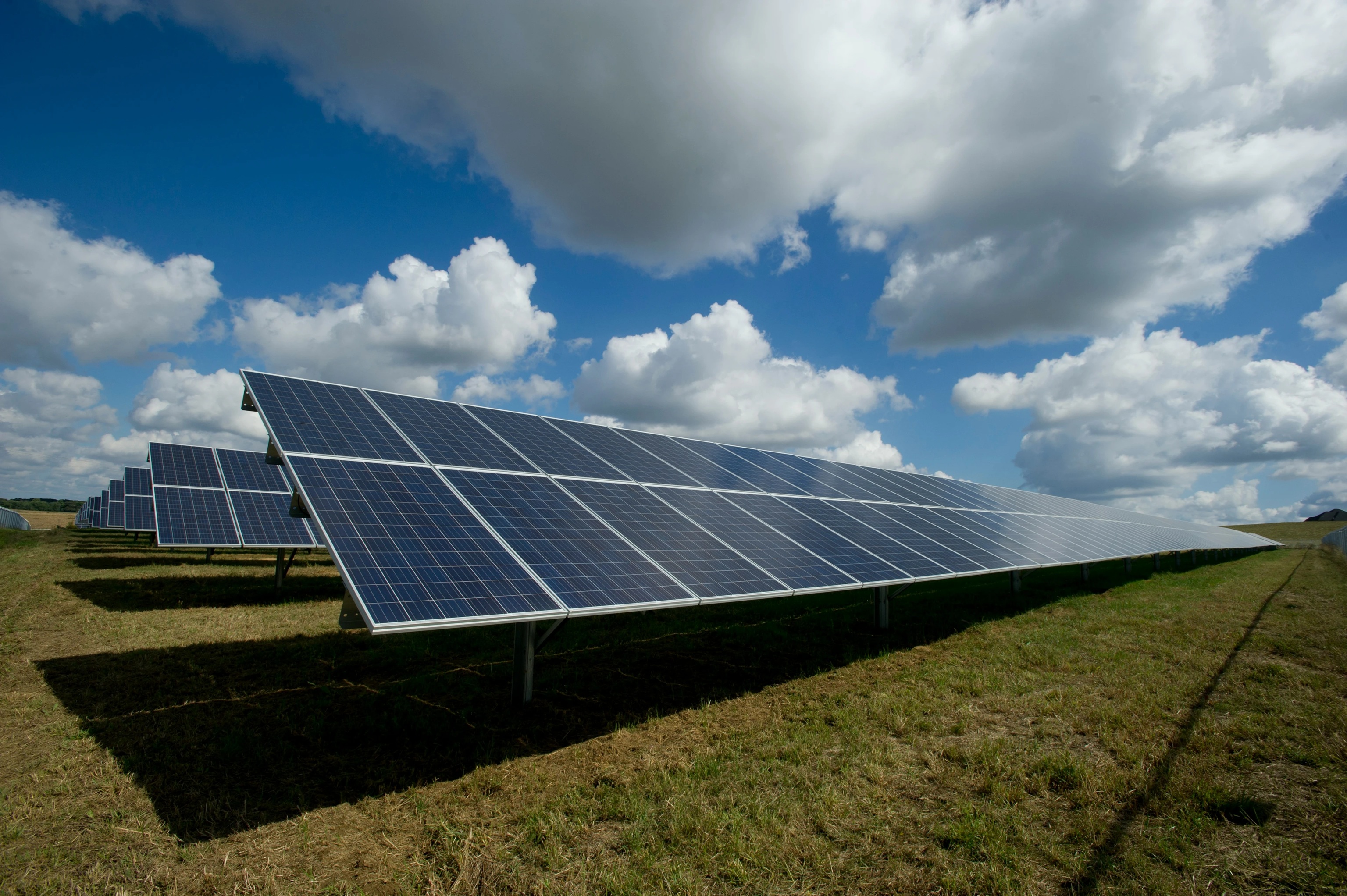
PT Dian Swastatika Sentosa Tbk (DSSA), through its collaborative entity PT Trina Mas Agra Indonesia (TMAI), is strengthening the national solar panel industry with an integrated manufacturing facility in Kendal. This step is crucial for investors as it reflects DSSA’s expansion into the renewable energy sector, which holds potential as a long-term growth driver.
According to the company’s official press release on 1 May 2026, TMAI operates a solar cell factory with a capacity of 1 GW using TOP-CON technology, as well as a 1 GW solar module factory with panels sized at 720 Wp. The panel efficiency reaches 23.3%, claimed to be among the highest in its class. This capacity serves as a foundation to support the surge in domestic solar energy demand in line with the national target to build 100 GW of solar power plants (PLTS).
The investment poured into this facility exceeds US$100 million. In addition to strengthening the local supply chain, the factory’s domestic content level (TKDN) of up to 60% also supports the national industrial downstreaming agenda. This has the potential to reduce reliance on imports of solar energy components. DSSA is a Sinarmas company leading in mining, new and renewable energy, technology, and chemicals.
DSSA’s Strategic Expansion into Green Energy
For investors, DSSA’s move into solar panel manufacturing demonstrates business diversification beyond its traditional portfolio, such as coal, chemicals, internet, and data centres. This expansion reflects a strategy to capture opportunities in the evolving energy transition in Indonesia and Southeast Asia.
TMAI is the result of a collaboration between DSSA, Trina Solar Co, and PT PLN Indonesia Power Renewables. This partnership model strengthens the company’s position in the green energy supply chain while providing broader access to technology and markets.
Over the next 2-3 years, TMAI targets increasing production capacity to 3 GW. If realised, this could enlarge the contribution of the new energy business to the group’s consolidated performance, serving as a long-term growth catalyst closely watched by the market.
Conclusion
DSSA’s expansion through TMAI marks a strategic step by the company to enhance its exposure to the green energy sector. This initiative reflects efforts to seize growth opportunities from the national energy transition agenda. For the market, this development signals that energy issuers are beginning to build more diverse and future-oriented portfolios. The implementation of production capacity and its contribution to financial performance will be the next focus for investors.